A circular saw blade goes on with its printed rotation arrow matching the rotation arrow on the saw. On most conventional handheld circular saws, that means the teeth at the front of the saw point upward toward the shoe. Do not rely on that visual rule alone: blade-side layout and specialty saw designs vary, while the directional arrows on your specific saw and blade are the controlling check.
If the blade rubs the guard, will not turn freely by hand, or visibly wobbles, do not try to cut with it. Disconnect the cord or remove the battery first, then check blade direction, flange seating, guard movement, and blade condition. A damaged, warped, or bent blade should not be used. CCOHS advises checking blade rotation and ensuring the retracting lower guard works freely.
Confirm the blade direction
Look for an arrow stamped, printed, or laser-marked on the blade body. Find the rotation arrow on the saw’s upper guard or housing, then install the blade so both arrows indicate the same direction of travel.
As a second check, look at the teeth at the front cutting edge of the saw. For the usual handheld circular-saw arrangement, the teeth rise into the work at the front of the shoe. In other words, their points face upward there. This cutting action helps pull the saw toward the workpiece rather than lifting it away from the shoe.
A blade installed backwards may still spin, but it will cut poorly, generate excess heat, and can behave unpredictably. Correct the installation rather than attempting a test cut.
Disconnect power before touching the blade
Unplug a corded saw from the outlet. For a cordless saw, remove the battery. Do this before retracting the lower guard, pressing an arbor-lock button, loosening the arbor fastener, or turning the blade by hand.
The blade lock holds the arbor while the blade fastener is loosened or tightened; it is not a substitute for disconnecting power. Keep the saw disconnected until the blade is fully installed and all checks are complete.
Reinstall the blade in a safe sequence
Follow the instructions for your saw model first, especially for the fastener direction, washer orientation, and tightening method. Models can differ.
1. Verify that the blade is compatible
Check the saw manual and the blade markings for the required blade diameter, arbor-hole size, and permitted use. Do not assume that a blade fits correctly just because it slips onto the arbor. A blade that is the wrong size or has an incorrect arbor fit may not clamp or clear the guard properly.
Inspect the blade before reinstalling it. Do not use one with a crack, missing teeth, obvious bend, or other visible damage. CCOHS specifically advises against using blades that are damaged, warped, or bent. See its circular-saw safety guidance.
2. Clean the arbor and flanges
Remove the blade and inspect the arbor shaft, the inner flange behind the blade, and the outer flange or washer that clamps it. Brush away sawdust, chips, packed residue, or any loose material.
The blade must lie flat against the inner flange. Even a small piece of debris trapped between these parts can hold the blade at an angle and create apparent wobble or guard contact.
3. Seat the blade fully
With the lower guard retracted as needed, place the blade on the arbor with its direction arrow matching the saw’s arrow. Make sure the blade bore sits fully on the arbor and flat against the inner flange.
Install the outer flange and arbor fastener in the exact order shown in the manual. Some flanges have a shaped or recessed side that must face a particular direction. Reversing a flange can prevent proper clamping even if the fastener feels tight.
4. Tighten it as the manual specifies
Use the saw’s supplied wrench or the tool specified by its manufacturer. Engage the arbor lock only as directed, then tighten the fastener securely according to the manual. Do not guess at tightening torque, use an impact tool, or keep tightening after the fastener is secure; the manufacturer’s instructions control.
Check for rubbing before reconnecting power
With power still disconnected, release the lower guard and confirm that it closes fully over the blade. Then carefully rotate the blade by hand from a safe point on its rim, avoiding the teeth.
The blade should rotate without scraping the fixed upper guard or dragging on the lower guard. A lower guard may move as the blade passes, but it should not bind, stick, or remain partly open. The guard should cover the unused blade area as completely as possible when the saw is not cutting. CCOHS identifies free lower-guard operation as a key pre-use check.
If it rubs, stop and remove the blade again. Recheck the following:
- The blade arrow matches the saw’s arrow.
- The blade is the correct diameter and arbor fit for the saw.
- The blade is fully seated against the inner flange.
- The inner and outer flanges are clean and installed in the correct orientation.
- The arbor fastener is properly tightened according to the manual.
- The lower guard is not bent, obstructed, or sticking.
What blade wobble means
A blade that visibly moves side to side, scrapes once per revolution, or does not run true should be treated as a stop-use condition. First, disconnect power and check for debris between the blade and flanges, incorrect flange placement, or an improperly seated blade.
If the blade still wobbles after a careful reinstall, remove it and inspect it for damage. Replace a bent or warped blade. If a known-good, compatible blade also wobbles or contacts the guard, the saw may have an issue with its arbor, flanges, guard, or other internal parts. Do not operate it until it has been inspected and repaired by a qualified service provider.
For routine inspection practices, see our guide to circular saw blade maintenance.
If the saw still will not spin normally
Do not keep trying to start a saw that sounds strained, stops, binds, or will not reach normal operation after the blade and guard checks. Reconfirm that the blade turns freely with power disconnected and that no guard or housing part touches it.
If the blade is correctly installed, seated flat, undamaged, and clear of the guard, consult the current owner’s manual for model-specific troubleshooting and service instructions. A persistent spinning problem can involve parts beyond the blade installation and should not be diagnosed by cutting material to “see if it clears up.”
Quick pre-cut checklist
Before reconnecting power, confirm all of these points:
- The cord is unplugged or the battery is removed during inspection.
- Blade and saw rotation arrows match.
- The blade is compatible with the saw according to the manual.
- The blade is undamaged and seated flat on clean flanges.
- The arbor fastener is tightened using the manufacturer’s procedure.
- The lower guard moves freely and returns to cover the blade.
- The blade turns without rubbing or wobbling.
Only reconnect power when every item checks out. If the guard rubs, the blade wobbles, or the saw does not spin normally, leave it out of service rather than attempting the cut.
References
- Circular Saw Blade Direction: Ultimate Guide | Yaofeng Tools. (n.d.). https://yftools.com/blade-direction-of-circular-saws
- Circular Saw Blade Direction. (n.d.). https://bladesdirect.net/blogs/diamond-blade-1/circular-saw-blade-direction
- CCOHS: Powered Hand Tools - Saws - Circular. (n.d.). https://www.ccohs.ca/oshanswers/safety_haz/power_tools/saw_circ.html
- I just got a circular saw and a new blade for it. Did I put the …. (n.d.). https://www.reddit.com/r/BeginnerWoodWorking/comments/nqu336/i_just_got_a_circular_saw_and_a_new_blade_for_it
- How To Install A Circular Saw Blade? - Complete Guide. (n.d.). https://toolsadvisers.com/how-to-install-a-circular-saw-blade
- DC 425 Saw Flange Assembly Help: Expert Q&A Guide. (n.d.). https://www.justanswer.com/home-improvement/v77uj-dc425-saw-flange-installation-guide.html
- How to Install Blade in Ryobi Circular Saw | Saw Theory. (n.d.). https://sawtheory.com/how-to-install-blade-in-ryobi-circular-saw
- ADJUST EVERYTHING On Circular Saws! (Most People Don’t Know #6 and #7!). (n.d.). https://www.youtube.com/watch?v=RPUX94hs8zg&xstg=CAMSBhUDze3xHw%3D%3D
- How To Install A Ryobi Circular Saw Blade? - Complete Guide. (n.d.). https://toolsadvisers.com/how-to-install-a-ryobi-circular-saw-blade
- How To Install Dewalt Circular Saw Blade: A Step-by-Step Guide. (n.d.). https://wisepickers.com/how-to-install-dewalt-circular-saw-blade
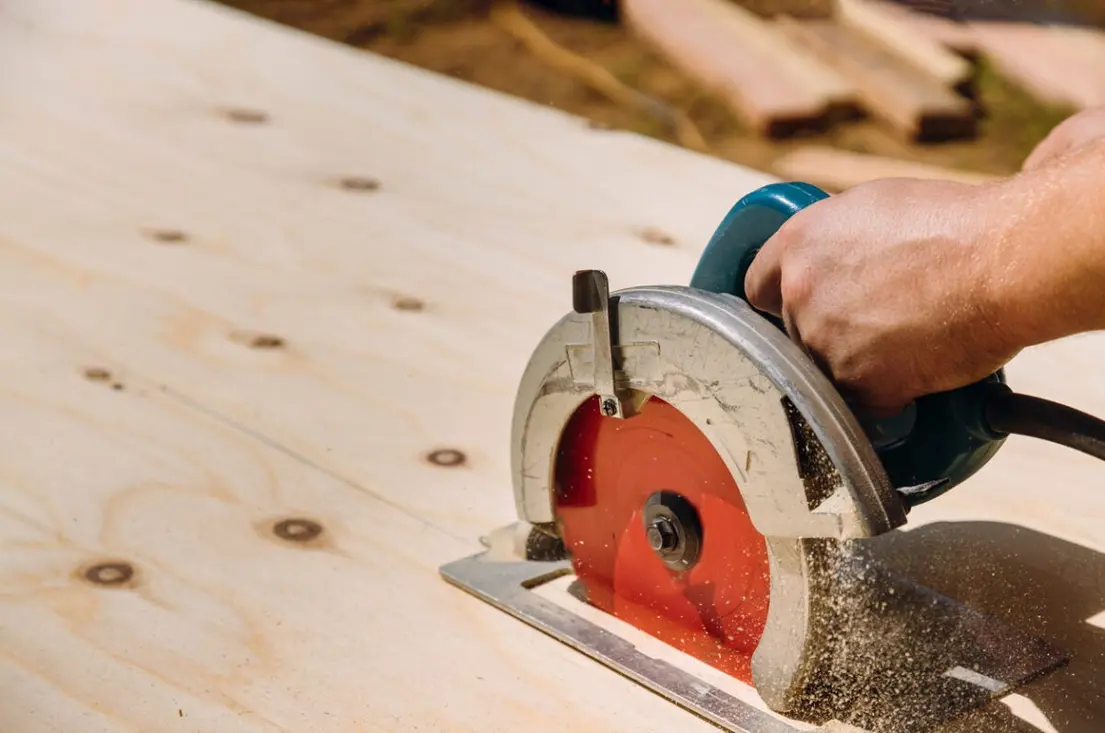 Why a Circular Saw Blade Deflects During a Cut and How to Troubleshoot It
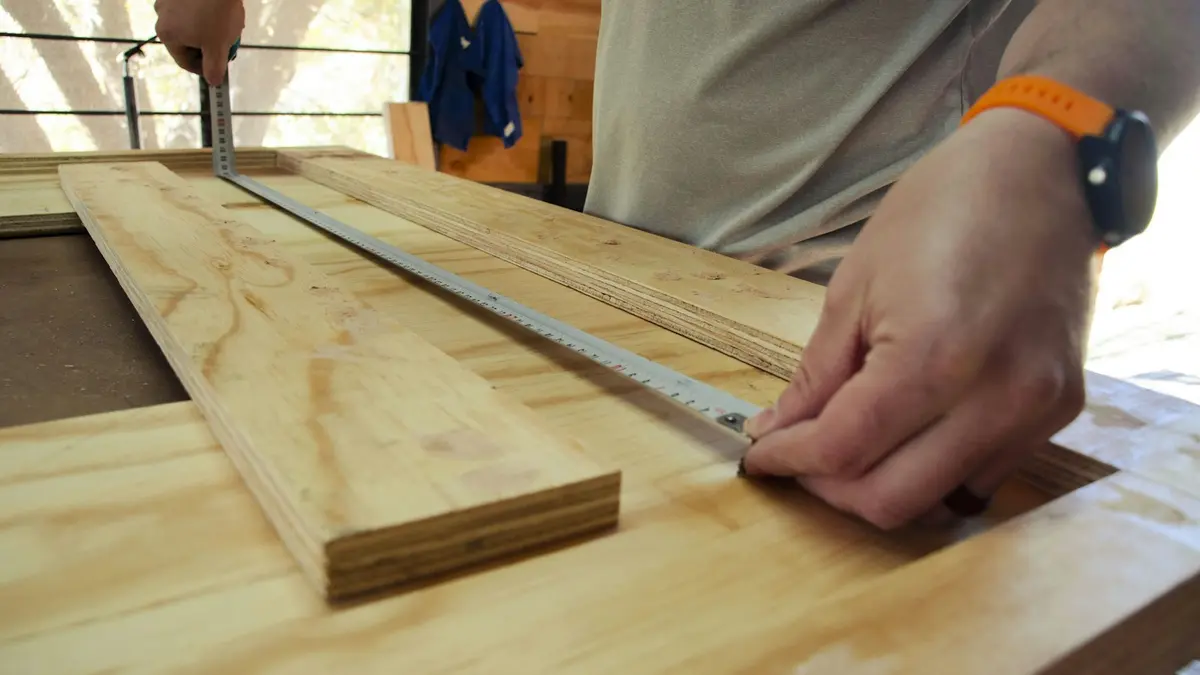 Why Wood Binds During Saw Cuts and How to Prevent It
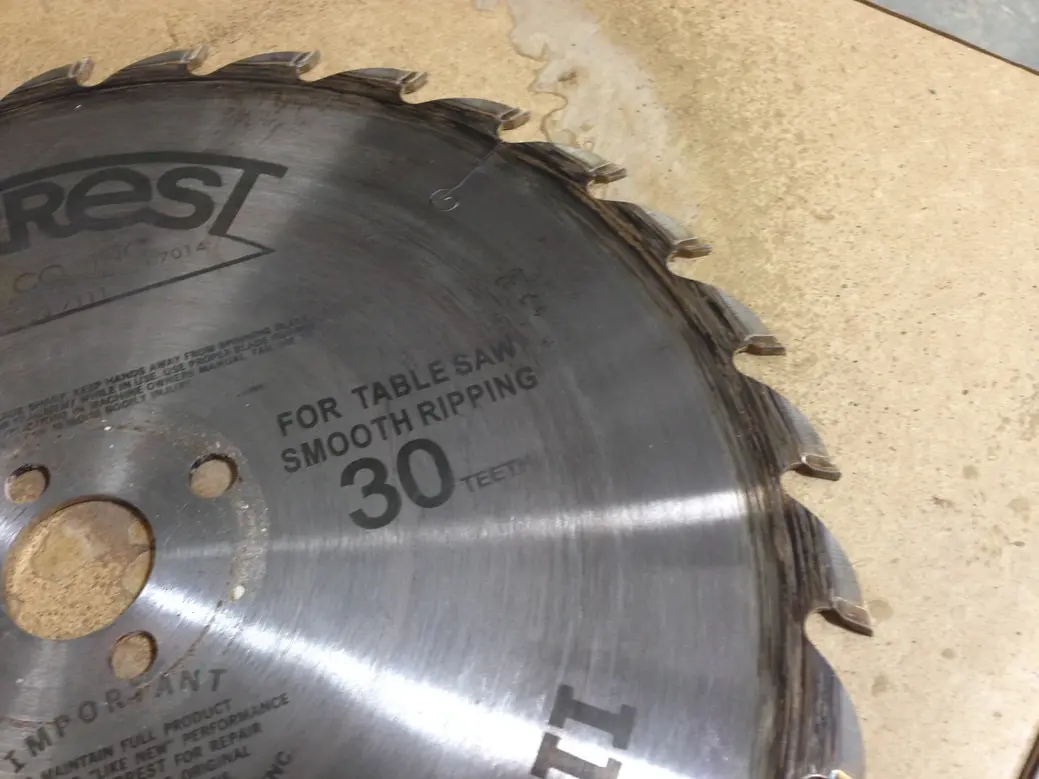 Circular Saw Blade Maintenance: Clean, Sharpen, or Replace?