What not to wear when using power tools depends on the tool’s hazards, but the basic rule is simple: do not wear anything that can be pulled into moving parts. Loose sleeves, hood strings, dangling jewelry, unsecured long hair, neckties, and loose gloves can snag in rotating or moving equipment. Wear appropriate eye protection, then add hearing, respiratory, foot, or hand protection only when the task and the tool’s manual call for it.
The biggest mistake is treating all PPE as universal. Gloves can protect hands during material handling or some cutting and cleanup tasks, but they can create a serious entanglement hazard near a spinning drill, grinder, lathe, drill press, or saw blade. Choose clothing and PPE for the operation—not just for the fact that a tool has a motor.
Do Not Wear These Around Moving Power-Tool Parts
Before starting, remove or secure anything that could reach a blade, bit, wheel, chuck, belt, spindle, or other moving part. OSHA advises workers to wear proper apparel because loose clothing, ties, and jewelry can become caught in moving parts. OSHA’s hand and power tool guidance also emphasizes guarding exposed moving parts.
Loose or dangling clothing
Avoid:
- Loose sleeves, open cuffs, oversized shirts, and unbuttoned outer layers
- Hoodies with dangling drawstrings
- Loose scarves, neckties, lanyards, aprons with unsecured ties, and loose shop rags in pockets
- Baggy pant legs that can catch on equipment or interfere with footing
Wear clothing that fits close enough to stay clear of the tool, without being so restrictive that it limits your movement or balance. Roll sleeves up securely or use fitted cuffs; do not rely on a casual fold that can work loose.
Jewelry and wearable accessories
Remove dangling or loose items, including necklaces, bracelets, watches with loose bands, rings, and dangling earrings. A ring can also catch when handling material or reaching near a moving component. Safety training guidance specifically identifies jewelry as an entanglement hazard around equipment with moving parts. OSHAcademy’s basic tool-safety guidance uses rings and bracelets near a table saw as examples.
Also take off or secure badge lanyards, earbud cords, loose ID holders, and anything hanging from a belt or pocket.
Unsecured long hair
Tie long hair back and secure it so it cannot fall forward, swing, or reach the work area. A low ponytail may still hang into the danger zone when you lean over a drill press, grinder, benchtop sander, or other stationary machine. Use a secure tie, braid, cap, or hair covering suited to the work; make sure it does not itself leave loose material near moving parts.
Source: Unsplash
Headphones and earphones
Do not wear headphones or earphones while operating power tools. They can block warnings, conversation, changes in tool sound, and awareness of people entering the work area. For example, George Washington University’s shop policy prohibits headphones and earphones while operating power tools. Read the policy.
If a task requires hearing protection, use properly selected hearing protection rather than entertainment headphones, and verify the tool manual and applicable workplace requirements.
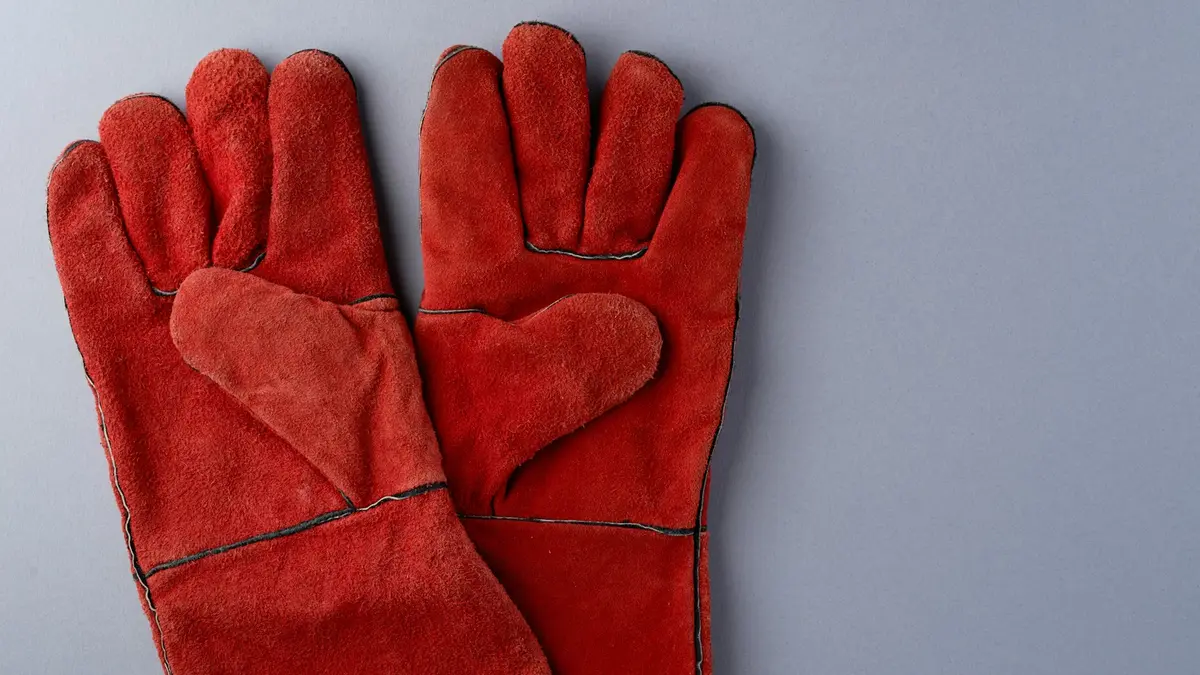
Gloves: Helpful for Some Jobs, Unsafe for Others
Gloves are not automatically safer. The question is whether a glove could be caught and pull your hand toward a moving part.
Do not make gloves the default near rotating parts
Avoid gloves while operating tools where your hand could contact or be drawn into a rotating component, including:
- Drill presses and many handheld drilling operations
- Lathes and similar turning equipment
- Bench grinders and angle grinders
- Table saws and other saws with exposed rotating blades
- Disc sanders, belt sanders, and polishing equipment
Loose gloves are especially hazardous, but even fitted gloves can catch. OSHAcademy’s moving-parts guidance specifically warns against gloves around bench grinders, drill presses, lathes, mills, and table saws because they can become caught.
This does not mean gloves are never useful in a shop. You may need them to move rough lumber, handle sharp stock, manage hot material, clean up after the tool is disconnected, or address a task-specific hazard. Remove them before operating if they could contact moving parts. Check the current tool manual and any shop rules for the exact task.
Keep gloves away from the work zone even when worn
For tools and tasks where gloves are appropriate, keep them away from moving components. Do not use a gloved hand to hold a small workpiece close to a blade, bit, wheel, or sanding surface. Clamp the work when the tool and operation allow it. Guidance for cordless tools similarly advises keeping hair, clothing, and gloves away from moving parts and securing the work rather than holding it against the body. Weekly Safety’s power-tool guidance provides this general reminder.
Wear Eye Protection, Not Just Regular Glasses
Eye protection is a basic starting point for power-tool work because chips, dust, broken abrasive fragments, and debris can travel unexpectedly. Wear safety eyewear appropriate for the job and make sure it fits securely. OSHA identifies safety goggles and gloves as PPE that may be needed for hazards encountered while using hand and power tools. See OSHA’s guidance.
The specific operation may require more than safety glasses. Grinding, cutting, sanding, drilling overhead, and dusty work can call for different protection. Check the current manual for the tool, the accessory instructions, and any material-specific safety information before starting.
Dress Differently for Different Tool Hazards
The following distinctions help prevent the common mistake of using one PPE setup for every tool.
Rotating tools: prioritize entanglement prevention
For drills, drill presses, lathes, grinders, disc sanders, and similar equipment, the immediate clothing concern is being caught by rotation. Secure sleeves and hair, remove jewelry, and be cautious with gloves. Keep the work supported or clamped rather than bringing hands and clothing close to the rotating part.
Saws and cutting tools: avoid snagging and maintain control
For circular saws, miter saws, table saws, jigsaws, and reciprocating saws, loose clothing can interfere with movement or snag near the tool. Keep sleeves fitted, remove jewelry, and keep cords, clothing, and accessories out of the cutting path. Do not hold material against your body; secure it where appropriate.
A guard is not a substitute for safe clothing or attention. Keep the tool’s guards installed and functioning as specified by the manufacturer. If a guard is damaged, missing, or does not operate correctly, stop and consult the manual or have the tool serviced.
Sanding and grinding: plan for debris as well as entanglement
Sanding and grinding can produce airborne dust and flying particles, while belts, discs, and wheels can also catch loose items. Wear eye protection, secure hair and clothing, and follow the tool manual for any face, hearing, or respiratory protection requirements. For dust-producing work, determine what material you are sanding; hazardous dust may require controls beyond a basic dust mask. OSHAcademy’s tool-safety material notes that hazardous sanding dust may require respiratory protection.
A Practical Before-You-Start Clothing Check
Pause before plugging in a corded tool, installing a battery, or switching on a stationary machine.
- Remove rings, watches, bracelets, necklaces, and dangling earrings.
- Tie back and secure long hair.
- Secure sleeves, hoodie strings, apron ties, and loose shirt tails.
- Empty loose items from chest pockets and remove lanyards or corded earbuds.
- Put on suitable eye protection.
- Decide whether gloves create a snag hazard for this specific tool. Remove them before work near rotating parts.
- Check the manual for task-specific hearing, respiratory, footwear, or face-protection requirements.
- Make sure you have stable footing and that the work is secured before starting.
Clothing Is Only One Layer of Safety
Safe shop clothing reduces the chance of entanglement, but it cannot make an unsafe setup safe. Keep guards in place, inspect the tool and accessory before use, keep the work area dry and uncluttered, and secure the work when possible. Do not operate a tool if you are distracted, fatigued, or unable to maintain control.
When in doubt, stop and check the current manufacturer manual for the tool, blade, bit, wheel, or accessory you are using. The correct PPE and clothing setup can change with the material, operation, and machine design.
References
- 30 Tips for Hand and Power Tool Safety - HSI. (n.d.). https://hsi.com/blog/30-tips-for-hand-and-power-tool-safety
- Battery-Powered Tools Provide Greater Safety on the Job. (n.d.). https://weeklysafety.com/blog/battery-powered-tools
- Which tools should not be operated while wearing gloves?. (n.d.). https://diy.stackexchange.com/questions/11880/which-tools-should-not-be-operated-while-wearing-gloves
- Power Tool Safety Policy | Office of Ethics, Compliance, and Risk. (n.d.). https://compliance.gwu.edu/power-tool-safety
- 160 Tool Safety: Basic. (n.d.). https://www.oshacademy.com/courses/training/160-tool-safety-basic/160-2-9.php
- Hand and Power Tools. (n.d.). https://www.osha.gov/sites/default/files/publications/OSHA3080.pdf
- 810 Hand and Power Tool Safety. (n.d.). https://www.oshacademy.com/courses/training/810-hand-power-tool-safety/810-4-5.php
- Machine Hazards: OSHA Guidance on Common Safety Questions. (n.d.). https://www.jjkellersafety.com/resources/articles/2026/osha-machine-hazards-common-safety-questions
- Hand and Power Tools. (n.d.). https://risk.uticanational.com/blog/hand-and-power-tools
- Safety Rules for Jewelry/Metals Studios | South Texas College. (n.d.). https://www.southtexascollege.edu/academics/visual-arts/safety/jewelry.html
 How to Prevent Flash Rust After Removing Rust From Hand Tools
 What Tools Do You Need to Start Woodworking? A Project-First Starter Kit