Fresh orange rust after cleaning is usually flash rust: bare steel reacts quickly when water and oxygen remain on the surface. It can appear within hours, especially in humid air or in seams, pits, and moving joints that still hold rinse water. The cure is a prompt sequence: remove the rust remover as its instructions require, rinse when appropriate, dry completely, and apply a light protective film before putting the tool away.
Vinegar can make the problem more noticeable because it removes rust and exposes fresh steel. It can also leave acidic residue if it is not thoroughly rinsed. But acid residue is not the only cause. A tool can flash rust after an excellent rinse if water remains in a socket, under a handle, inside plier pivots, or in rough corrosion pits.
Why a cleaned tool rusts again
Rust removal strips away the old oxide layer and often any oil, wax, or dirt that had been slowing corrosion. The newly exposed metal is clean but unprotected.
Flash rust needs three things: iron or steel, oxygen, and moisture. Water-based rust removers and rinse water supply that moisture. High humidity can do the same after the tool appears dry. A rough or pitted surface is especially vulnerable because it holds liquid and has more exposed surface area.
Vinegar-based cleaning adds a separate concern: vinegar is acidic. If acidic liquid remains on the tool, it can continue acting on the metal and leave conditions favorable for rapid corrosion. Neutralizing may be useful after a vinegar soak, but it does not replace rinsing, drying, and protecting the steel.
Use the right finish sequence for the remover
Follow the current product label for the rust remover you used. Different products have different rinse and after-treatment instructions. Do not assume that every remover should be neutralized, rinsed the same way, or left to dry in the same way.
After vinegar or another mild acid
- Remove the tool from the vinegar as soon as the rust has loosened. Long soaking can attack sound metal, darken some finishes, and affect nearby materials.
- Scrub away loosened rust with a non-aggressive brush or abrasive appropriate for the tool’s finish.
- Rinse thoroughly with clean water. Pay close attention to joints, box ends, sockets, screw heads, and textured castings.
- If you want to neutralize possible remaining vinegar residue, use a mild baking-soda-and-water solution after the rust-removal step, not in the vinegar bath. Baking soda added to vinegar during soaking largely cancels the acid and reduces its rust-removing action.
- Rinse again with clean water after the baking-soda solution. Leaving alkaline residue behind can also attract moisture or leave a film.
- Dry immediately and completely, then apply protection.
A brief baking-soda wash is optional rather than a substitute for careful rinsing. The important point is that no vinegar, baking-soda residue, or rinse water should remain on the tool.
After a water-based chelating rust remover
Many water-based removers call for a water rinse after treatment, while some specify a protective final dip or another post-treatment step. Use the manufacturer’s current directions for that product. Once the specified process is complete, dry the tool promptly and protect it if the product does not leave a durable protective coating.
After a phosphoric-acid treatment
Phosphoric-acid products may leave a conversion coating intended to improve paint adhesion or corrosion resistance. Whether that coating should be rinsed, dried in place, painted, or oiled depends on the product. Check its current instructions before changing the finish. Do not automatically neutralize or wash off a coating that the manufacturer directs you to leave in place.
The practical anti-flash-rust sequence
Source: Captainspreferredproducts
1. Move directly from cleaning to drying
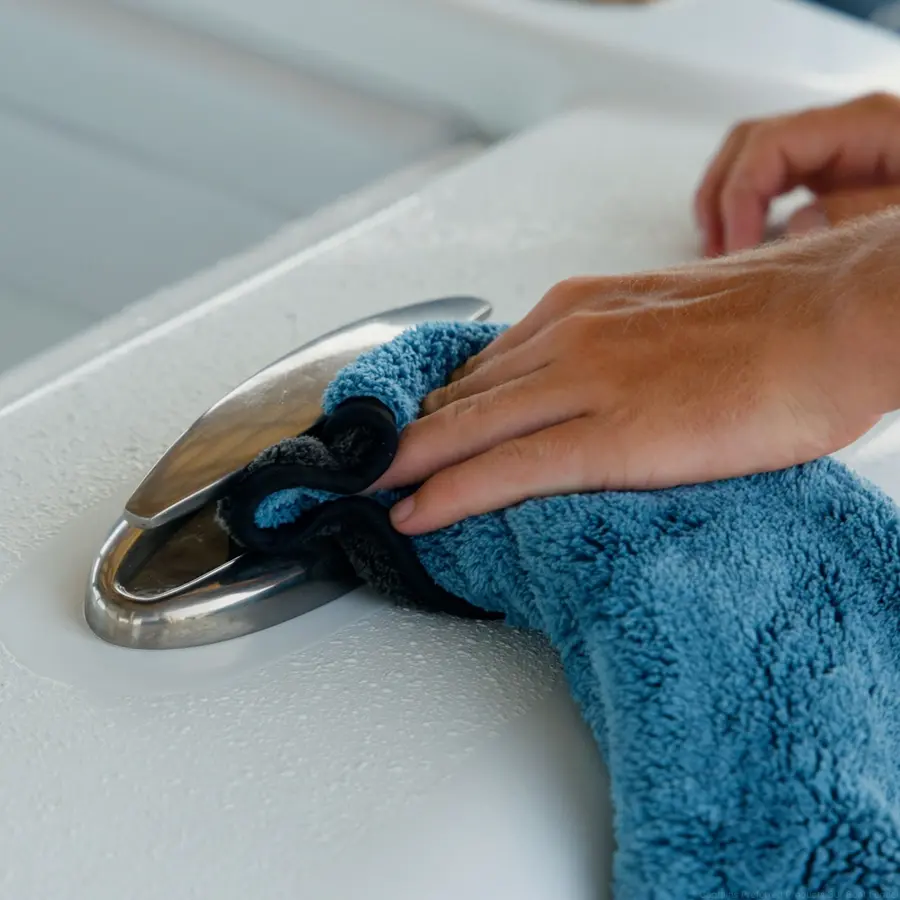
Do not leave rinsed tools on a bench while you finish another batch. Wipe them immediately with a clean, absorbent cloth. Change to a dry section of the cloth as it becomes damp.
Compressed air can help clear water from pivots, threads, stamped lettering, box-end cavities, and other traps. If you use it, follow the compressor and air-tool manufacturer’s safety instructions and avoid directing debris toward yourself or others.
2. Use gentle heat only when the tool can tolerate it
Warm moving air or a warm, dry location can help evaporate moisture hidden in crevices. Avoid overheating tools, plastic grips, wood handles, painted surfaces, or heat-treated parts. If you use a heat source, verify safe use in its current manual and keep flammable oils, solvents, and rags away from it.
A useful check is to let the tool cool to room temperature and inspect it again. Condensation or water seepage can show up after a warm tool cools, particularly around joints and handles.
3. Inspect the places that hold water
Look closely at:
- Plier and cutter pivots
- Adjustable-wrench slides and thumbwheels
- Socket interiors and drive recesses
- Wrench box ends
- Screwdriver handle-to-shank joints
- Hammer heads near the eye and handle
- Deep pits, casting texture, and stamped markings
If a paper towel comes away damp from any of these areas, keep drying.
4. Apply a thin protective film
For ordinary steel hand tools that will be used, wipe on a light coat of suitable tool oil or corrosion-inhibiting oil. Put a small amount on a cloth first, then wipe the metal until it has an even, nearly dry-looking film. Excess oil collects dust, transfers to workpieces, and can make handles slippery.
For tools going into longer storage, a wax, rust-preventive storage coating, or another product specifically intended for long-term corrosion protection may be more suitable than light oil. Follow the coating maker’s instructions for surface preparation and removal before use.
Keep oil off wood handles, rubber grips, and plastic surfaces unless the product label specifically says it is suitable for those materials. On cutting tools, remove or control any protective film that could contaminate a workpiece or interfere with the intended task.
5. Store the tool dry
A protected tool can still rust in a damp drawer, unheated shed, or closed case that traps condensation. Store hand tools in a dry place and avoid returning them to a toolbox while they are wet from cleaning, rain, or a jobsite.
For ongoing care, see /how-to-maintain-hand-tools/.
What to do if flash rust has already appeared
Light orange flash rust is usually superficial. Wipe the tool with oil and rub gently with a non-aggressive pad, fine abrasive, or suitable brush until the discoloration is gone. Then wipe away residue, confirm the tool is dry, and reapply a thin protective film.
Do not keep repeating aggressive abrasion on a vintage tool just to make it look new. It can erase markings, alter edges, remove plating, and leave a more textured surface that holds moisture more readily. Stop once loose rust is removed and the surface is stable.
Material and tool considerations
Bare steel and cast iron
Bare ferrous metal benefits most from prompt drying and an oil or storage coating. Pitted cast iron needs extra attention because its texture can retain cleaner and moisture.
Plated, painted, or polished tools
Vinegar and abrasives can dull, etch, lift, or undermine finishes. Test any cleaner in an inconspicuous area first, use the mildest effective method, and avoid soaking parts with damaged plating or paint for long periods.
Tools with wood, plastic, or rubber handles
Avoid prolonged soaking because liquid can swell wood, loosen handle fit, affect adhesives, or discolor materials. Clean exposed metal selectively when possible, keep the handle out of the bath, and dry the handle separately.
Moving tools and assemblies
Pliers, adjustable wrenches, ratchets, and similar tools may need lubricant at pivots or moving surfaces after cleaning. Use a lubricant appropriate to the tool and avoid flooding enclosed mechanisms unless the manufacturer provides cleaning and lubrication directions.
Common mistakes that cause repeat rust
Neutralizing vinegar in the soaking bath
Adding baking soda to vinegar before or during rust removal neutralizes much of the acid. It does not create a stronger cleaner. If you use baking soda, reserve it for a brief post-cleaning neutralization step, followed by a clean-water rinse and complete drying.
Rinsing but air-drying on the bench
This is a common path to flash rust. Water remains in pores and joints even when flat surfaces look dry. Wipe, clear trapped water, and protect the tool immediately.
Applying oil over damp metal
Oil does not reliably displace every pocket of trapped water, especially in pits and mechanisms. Dry first, then apply a thin film.
Leaving a cleaned tool unprotected overnight
A freshly stripped tool is at its most vulnerable. If you cannot complete the restoration, at least dry the metal thoroughly and apply temporary corrosion protection before pausing.
Treating every tool as bare steel
A finish that works well on a plain wrench may be inappropriate for a painted plane body, plated measuring tool, wooden-handle chisel, or precision mechanism. Match the cleaning and protection method to the tool’s materials and intended use.
A simple routine for future cleanups
Keep the finish process ready before you start removing rust: clean water for rinsing when required, dry cloths, a way to clear crevices, and a suitable protectant. Then work on one or a few tools at a time rather than allowing a large batch of wet tools to sit exposed.
The key distinction is simple: vinegar residue should be removed or neutralized as appropriate, but eliminating residue alone will not prevent flash rust. Bare steel must also be dried thoroughly and separated from humid air with a suitable protective film.
References
- Rusting After Vinegar Soak. (n.d.). https://www.colemancollectorsforum.com/viewtopic.php?t=1658
- Best way to clean up rusty tools? - Bunnings Workshop community. (n.d.). https://www.workshop.bunnings.com.au/discussion/9425/best-way-to-clean-up-rusty-tools
- How to prevent rust after vinegar removal. (n.d.). https://www.facebook.com/groups/kakirepair/posts/7092608414152721
- EVAPO- RUST™. (n.d.). https://www.evapo-rust.com/info/EvapoRustTDS.pdf
- First time with flash rust. What’s the best way to clean and …. (n.d.). https://www.reddit.com/r/handtools/comments/189z8r4/first_time_with_flash_rust_whats_the_best_way_to
- Vinegar rust removal, 19 months later. (n.d.). https://medium.com/project-lab/vinegar-rust-removal-19-months-later-b6e97ec87a1c
- Almost immediate rust after cleaning? : r/handtools. (n.d.). https://www.reddit.com/r/handtools/comments/1eisc02/almost_immediate_rust_after_cleaning
- What are proven methods to stop flash rust?. (n.d.). https://www.facebook.com/groups/TypewriterCollectors/posts/10163506507044678
- How to Remove Rust from Tools. (n.d.). https://www.homedepot.com/c/ah/how-to-remove-rust-from-tools/9ba683603be9fa5395fab901e8ec9098
- Evapo-Rust Super Safe Rust Remover [Easy To Use - How To]. (n.d.). https://www.youtube.com/watch?v=MO4lFxl6oE4
 How to Build a Basic Home Tool Kit Without Buying Tools You Will Not Use
 How to Clean, Oil, and Store Hand Tools to Prevent Rust
