Powered pruning shears can be worth it for arthritic hands when repeated squeezing is the part of pruning that causes pain, fatigue, or loss of control. A motor closes the blade after a light trigger action, so they can substantially reduce the gripping force needed during a long session of routine cuts.
They are not automatically the best answer, though. A powered pruner adds weight, requires charging and maintenance, and puts a moving blade in your hand. For occasional flower deadheading, light trimming, overhead work, or cuts beyond a handheld tool’s reach, a sharp lightweight manual pruner, loppers, or a pruning saw may be easier on the whole arm and safer to control.
Start With the Task That Hurts
The useful question is not whether electric pruners are better than manual pruners in general. It is which part of your pruning routine is creating the problem.
Powered pruning shears tend to make the most sense when you have many similar, hand-level cuts to make: thinning dense shrubs, removing repeated small branches, maintaining fruit trees from the ground, or doing seasonal cleanup. The benefit builds as the number of cuts rises because the tool removes much of the repeated squeezing motion.
They may be less useful when pain is mainly in the wrist, forearm, shoulder, or neck. A heavier cordless pruning shear can transfer strain away from the fingers and into those areas, especially when held away from the body or used above shoulder height.
A quick decision rule
Consider powered pruning shears if all or most of these are true:
- Your fingers hurt or tire from repeatedly closing ordinary hand pruners.
- You have enough routine pruning to make many cuts in one session.
- Most cuts are within comfortable arm’s reach.
- You can hold, aim, and release the tool without aggravating wrist or shoulder pain.
- Charging, storing, and maintaining a battery tool will not become a barrier to using it.
Start with a manual solution or a different pruning tool if these better describe your situation:
- You only make a few cuts at a time.
- Tool weight causes pain sooner than squeezing does.
- You need reach more often than cutting power.
- You commonly encounter branches larger or tougher than the pruner is designed to cut.
- You need to work in awkward positions, on a ladder, or with one hand occupied for balance.
What Powered Shears Can Reduce
With manual bypass pruners, each cut requires you to grip, close the handles, reopen them, and repeat. Even a sharp pruner can become tiring during dense cleanup. Powered shears shift blade-closing work to the tool, leaving the user mainly responsible for holding, positioning, and triggering it.
That can help gardeners with reduced grip strength or joint pain continue doing routine pruning themselves. It can also make it easier to keep cuts deliberate rather than forcing a dull or undersized hand pruner through material it is struggling to cut.
The improvement is greatest for repetitive work, not necessarily for every individual cut. If you normally prune for ten minutes and make only a handful of cuts, the setup and extra weight may outweigh the comfort benefit. If you avoid a large pruning job because your hands will hurt afterward, powered shears are more likely to justify their added complexity.
The Trade-Off: Less Squeezing, More Weight
Pruning tool weight deserves as much attention as cutting effort. A cordless pruner includes a motor, battery connection, housing, trigger, and blade mechanism. Even a tool that feels acceptable when picked up in a store can become tiring after repeated reaching, turning, and holding it at shrub height.
Do not judge weight only by the number on a specification sheet. How the weight sits in your hand matters. A front-heavy tool may make the wrist work harder. A large handle may be difficult to hold securely for a person with stiff fingers or a small hand. A battery that changes the tool’s balance can be noticeable during a long job.
Before buying, if possible, test these movements with the actual tool and battery installed:
- Hold it in your normal pruning hand for a minute without squeezing hard.
- Point it down, straight ahead, and slightly upward.
- Open and close your hand around the grip several times.
- Reach toward an imaginary branch while keeping your wrist neutral.
- Check whether you can operate the trigger and any lock or power controls without painful finger positions.
A lighter manual pruner can still be the better choice for short tasks. A powered tool is worthwhile when it reduces total fatigue across the job, not simply when it eliminates hand squeezing.
Manual Pruners vs. Powered Pruners
Choose sharp manual bypass pruners for light, frequent tasks
A good manual bypass pruner remains the practical default for flowers, soft stems, quick touch-ups, and a small number of live stems or twigs. It is immediately ready, easy to carry, and typically far lighter than a battery pruning shear.
For mild hand stiffness, try solving the cutting problem before moving to a powered tool. Dull, dirty, or sticky blades demand more force than a well-maintained pruner. A pruner that fits your hand and has an easy-opening spring can also be more comfortable than a poorly fitting model. See our guide to maintaining pruners and loppers for basic cleaning, lubrication, and sharpening considerations.
Consider geared, compound-action, or ratchet pruners for a middle ground
These manual designs aim to reduce the force required for a cut without adding a battery and motor. They can be a sensible option for gardeners who need more mechanical advantage but find powered pruning shears too heavy or too costly.
The compromise is that some mechanisms may feel slower, bulkier, or less natural than standard bypass pruners. Ratchet designs can also require several hand motions to complete one cut. If repeated movement itself is painful, a powered model may still be more comfortable for high-volume work.
Choose powered shears for repeated hand-level cutting
Battery pruning shears are strongest as a repetitive-work tool. Use them for the type and size of plant material their current manufacturer manual identifies as appropriate. Do not assume a larger advertised cutting capacity means every branch at that diameter will be comfortable, clean, or suitable to cut in real garden conditions.
Woody stems vary substantially with species, age, moisture, grain, and branch position. If a branch seems resistant, do not force the tool or treat the pruner as a substitute for a larger pruning tool.
When Loppers or a Pruning Saw Are Better
Powered handheld shears do not remove the need for other tools. Choosing the right tool for the cut can protect sore hands better than trying to make one tool do everything.
Use loppers when reach is the main problem
Long-handled loppers can let you work from the ground and keep your hands farther from thorny or dense growth. Their leverage may also reduce the force needed for some cuts. However, they can be awkward in tight shrubs, and their long handles may be difficult to control for someone with shoulder or wrist limitations.
Use a pruning saw for branches beyond pruner work
A pruning saw is often the better choice for branches too large, hard, or awkward for hand pruners. It avoids overloading a smaller cutting tool and can be more controlled than attempting repeated cuts with a pruner that is at its limit.
Sawing still involves arm and shoulder effort, so choose a stable working position and take breaks. If a branch is elevated, heavy, under tension, or likely to move unpredictably, stop and consider whether the job calls for a qualified tree-care professional rather than a hand tool.
Features That Matter More Than Marketing Claims
When comparing cordless pruning shears for arthritis, prioritize the details that affect comfort and control during your actual work.
Grip shape and trigger effort
Look for a grip you can hold without tightly clenching. The trigger should be reachable without stretching the index finger or twisting the wrist. If the product has multiple opening settings or trigger modes, confirm in the current manual how they work and whether they suit your usual stem size and hand mobility.
Total working weight
Check the tool’s weight with the battery you expect to use, not just the bare tool weight. Also consider whether the tool will be carried between plants or used for extended periods. A heavier tool may still be useful for a focused seasonal session, while a lighter manual pruner may remain preferable for daily garden rounds.
Blade access and cleanability
Sap and debris can make pruning tools feel less smooth and can affect cut quality. Choose a tool whose blades can be cleaned and maintained according to its manufacturer instructions. Before buying, verify the availability of replacement blades, service information, and the stated maintenance process.
Battery system and charging routine
Battery pruning shears are only helpful when they are charged and ready. Confirm what battery and charger are included, whether the battery is removable, how the maker instructs owners to store it, and whether replacement batteries are available. Follow the current manufacturer instructions for charging, storage, inspection, and disposal; battery guidance varies by product and can change.
Control layout and safety functions
Powered pruners have a moving cutting blade, so a tool that is comfortable to hold must also be easy for you to switch off, lock, and set down securely. Read the current manual before use and verify its instructions for startup, shutdown, blade position, transport, clearing jams, cleaning, and storage.
Safe Use Matters More With a Powered Blade
Do not treat electric pruners as ordinary scissors. The blade can close with motor-driven force, and a sore or stiff hand may react more slowly if the tool shifts or catches on vegetation.
Use the tool only as the manufacturer instructs. In particular, verify the current manual’s directions on blade guarding or locking, battery removal or isolation before maintenance, approved cutting material, clearing jams, inspection, and storage. Follow applicable local guidance for yard work and any work near utility lines or public areas.
A few practical habits can reduce awkward situations:
- Keep the cutting area visible; do not reach blindly into dense growth.
- Keep your free hand away from the blade path and avoid holding a stem where a slipping cut could reach it.
- Stand on stable ground and avoid using a handheld powered pruner from a ladder unless the manufacturer and applicable safety guidance specifically allow that use.
- Stop when fatigue changes your grip, balance, or ability to control the tool.
- Do not cut material that exceeds the tool’s stated use or seems likely to bind the blade.
- Turn the tool off and follow the manual before cleaning, adjusting, transporting, or investigating a problem.
For personal protective equipment, use the current manufacturer manual and applicable local safety guidance rather than relying on a generic checklist. The appropriate protection can depend on the plant, environment, tool design, and task.
A Lower-Strain Pruning Routine
Even the right powered tool will not solve an uncomfortable pruning plan. Break the work into shorter sessions and organize it by tool type. Start with easy hand-level cuts, switch tools when branch size or reach changes, and stop before pain escalates.
Keep a lightweight manual pruner available for small cuts and a saw or loppers available for larger material. This avoids using a powered pruner for every task simply because it is in hand. It also gives you a backup if the battery needs charging or the tool needs cleaning.
Pay attention to the day after pruning. If finger pain improves but wrist or shoulder pain increases, the powered tool may be too heavy, poorly balanced for you, or being used in too many extended-reach positions. If the overall workload is still difficult, reduce session length or seek help with larger pruning jobs.
Bottom Line
Powered pruning shears are worth considering for arthritis when repetitive squeezing is the primary barrier and you regularly make enough hand-level cuts to benefit from motor assistance. They can reduce finger and grip effort, but they do not make pruning weightless, reach farther, or replace loppers and pruning saws.
For mild discomfort or occasional pruning, first try a sharp, well-fitting manual pruner or a mechanical-assist design. For significant grip weakness or recurring high-volume pruning, a cordless pruner may be a meaningful comfort upgrade—provided you can safely manage its weight, controls, battery routine, and moving blade. The best setup for many gardeners is not one tool, but a powered pruner for repetitive cuts plus lighter manual tools for quick work and larger tools for branches beyond the pruner’s intended use.
References
- Top 15 Best Pruning Shears for Arthritis That Ease Pain. (n.d.). https://mikesmowersspokane.com/best-pruning-shears-for-arthritis
- Best Pruners for Arthritis: A Hands-First Guide. (n.d.). https://modernsprout.com/blogs/gardening/best-pruners-for-arthritis
- Powered pruning shears?. (n.d.). https://www.reddit.com/r/gardening/comments/1r7kah5/powered_pruning_shears
- Best Pruning Shears for Arthritis | Pain-Free Gardening Tools. (n.d.). https://www.fulgenttools.com/electric-pruning-shears-for-weak-grip
- Best pruning shears for someone with arthritis? : r/gardening. (n.d.). https://www.reddit.com/r/gardening/comments/18h9zko/best_pruning_shears_for_someone_with_arthritis
- Amazon.com : pruners for arthritic hands. (n.d.). https://www.amazon.com/pruners-arthritic-hands/s?k=pruners+for+arthritic+hands
- Arthritis Garden Tools. (n.d.). https://www.walmart.com/c/kp/arthritis-garden-tools
- Battery-Powered Pruners (2025) #30. (n.d.). https://www.youtube.com/watch?v=8cuii3gxfgg
- Wosai Garden Hand Tools Battery Powered Pruning Shears Electric Pruning Shears 40 mm - Electric Scissors and Pruning Scissors. (n.d.). https://shwosai.en.made-in-china.com/product/pOgtEDRMOZYG/China-Wosai-Garden-Hand-Tools-Battery-Powered-Pruning-Shears-Electric-Pruning-Shears-40-mm.html
- 8 Best Electric Pruners Reviewed 2026 | HGTV. (n.d.). https://www.hgtv.com/shopping/product-reviews/best-electric-pruning-shears
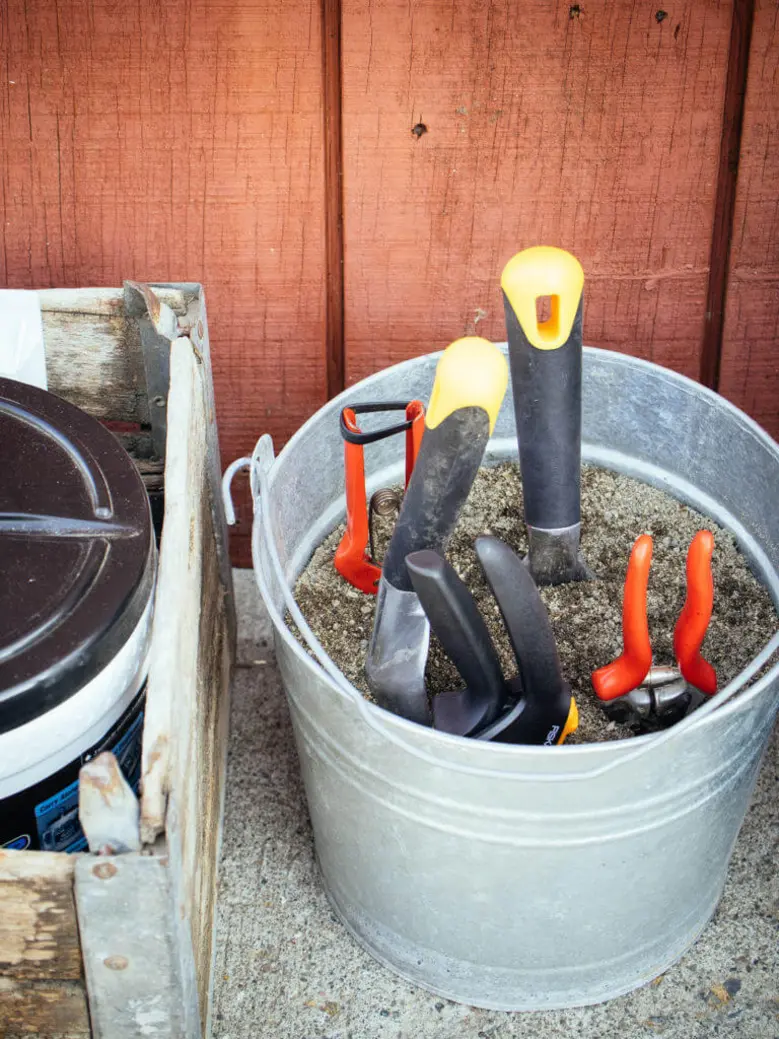 How to Clean, Oil, and Store Pruners and Loppers
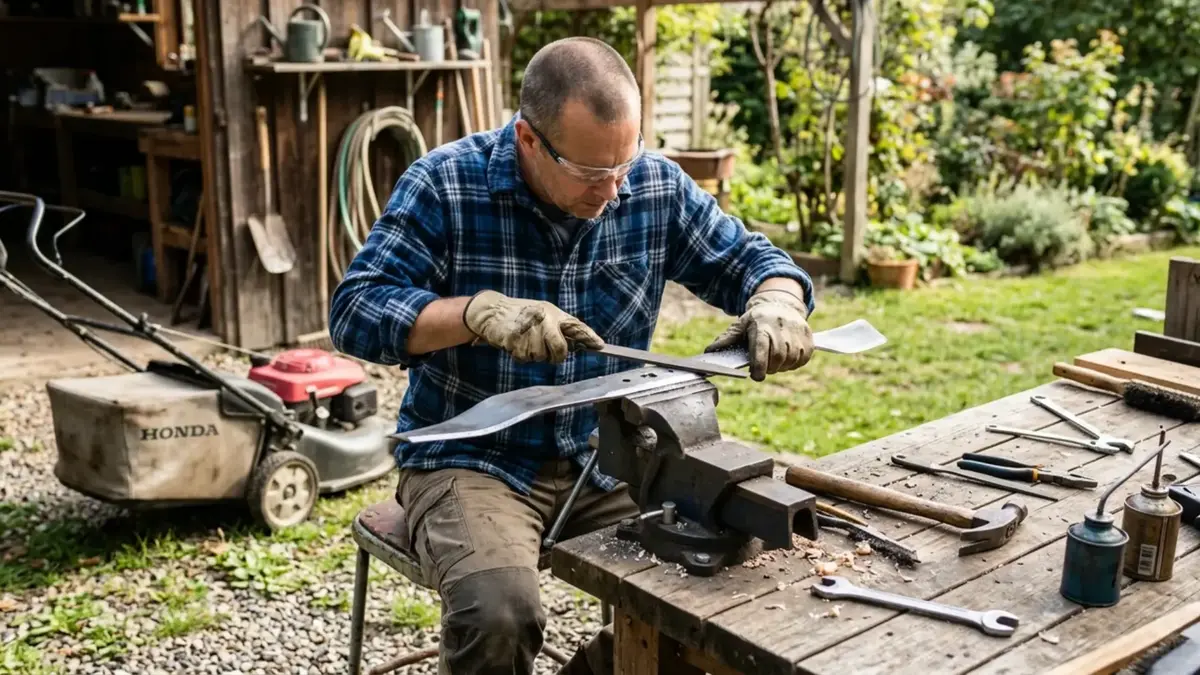 Should You Sharpen or Replace Lawn Mower Blades?
 How to Trim Grass Along a Fence With a String Trimmer