A pole hedge trimmer is usually the safer choice for overhead hedge work because it is made to clip thin, leafy growth across a broad surface. Use a pole saw only when you need to remove a distinct woody branch that is too thick or too rigid for hedge-trimmer blades. Neither tool makes uncontrolled overhead cutting safe: keep both feet on firm ground, do not work from a ladder, and stop when the tool, branch, or falling path is outside your control.
For most homeowners maintaining tall hedges and small trees, the answer is not one tool for every task. Use a pole hedge trimmer to shape hedge faces and tops, bypass loppers or a pruning saw for accessible individual stems, and a pole saw for selected higher limbs. If a branch is large, damaged, tangled, near a structure, or near utility lines, leave it to a qualified tree professional.
The quick choice: match the tool to the material
| Job | Best tool | Why |
|---|---|---|
| Lightly clipping a hedge top or face | Pole hedge trimmer | The long reciprocating blade cuts many small, flexible shoots while allowing you to shape a surface. |
| Removing one woody limb from a small tree | Pole saw | A saw chain is designed to sever individual branches that a hedge trimmer should not be forced through. |
| Cutting a reachable small branch cleanly | Hand pruners or loppers | A ground-level hand tool gives better control and avoids handling a long powered tool unnecessarily. |
| Making a selective cut in a reachable woody stem | Pruning saw | Useful when the branch is accessible and a powered pole tool would add reach without adding control. |
| Rebuilding an overgrown hedge with thick, woody stems | Loppers, pruning saw, or staged professional work | Remove selected stems individually; do not try to use a hedge trimmer as a branch saw. |
The fundamental difference is cutting purpose. A pole hedge trimmer is for trimming and shaping hedges or bushes, while a pole saw is for thicker tree branches that hedge-trimmer blades cannot handle. Vevor’s pole hedge trimmer overview makes the same basic distinction.
Pole hedge trimmer: safer for shaping soft hedge growth
A pole hedge trimmer has a long toothed blade that moves back and forth. Its job is to skim, shorten, and straighten many small shoots. It is the appropriate pole pruning tool when the goal is a level hedge top, a tidy side, or a rounded shrub outline that is simply hard to reach from the ground.
For overhead hedge trimming, work in small passes rather than reaching across the entire hedge. Stand where you can support the pole with both hands and still step away if cut material drops. Reposition yourself instead of twisting your torso or holding the tool at an awkward angle for an extended period.
A hedge trimmer is not a substitute for loppers or a pruning saw when you encounter a tough, mature branch inside the hedge. Forcing a blade through material beyond the tool’s stated capacity can damage the tool, produce a ragged cut, or pull the operator off balance. Check the current manufacturer manual for the tool’s allowed branch diameter, intended cutting orientation, controls, and operating limits.
Where a pole hedge trimmer stops being the right tool
Switch tools when you are no longer clipping small outer growth but removing a distinct woody stem. Signs include:
- The stem is too thick for the trimmer’s manual-specified cutting capacity.
- The blade grabs, stalls, or repeatedly bounces off the stem.
- You need a deliberate cut at a branch union rather than an even pass over foliage.
- The hedge has grown into a small tree with structural limbs.
Use loppers for reachable stems, a pruning saw for controlled hand cuts, or a pole saw only if the limb is within a manageable ground-based cutting position.
Pole saw: for individual branches, not hedge shaping
A pole saw is a small chainsaw head on a long shaft. It has substantially more cutting capability than a hedge trimmer, which is why it is the right tool for an individual woody limb. That increased cutting ability also means a more consequential falling-branch hazard and a heavier, less forgiving tool to manage at reach.
Use a pole saw for branches that are clearly separate from the surrounding canopy and whose likely movement and fall path you can predict. Clear the space below before starting. Do not stand directly under the branch, and do not cut if the limb could strike a person, fence, roof, vehicle, window, or other property on the way down.
Do not use a pole saw to shear a hedge into shape. It leaves uneven cuts, invites contact with hidden woody material and tangled stems, and makes the work slower and harder to control. Pole saws are for selective pruning, not surface trimming.
Do not cut branches you cannot control
A branch can shift, split, swing, or fall differently than expected. Stop and seek professional help when a branch is:
- Above or close to overhead power lines.
- Storm-damaged, cracked, hung up, bent under tension, or caught in another branch.
- Too heavy to predictably manage from the ground.
- So high that you must hold the saw nearly overhead or cannot keep a balanced stance.
- Positioned above a roof, public area, parked vehicle, or other target that cannot be cleared.
The supplied safety guidance specifically warns against using a pole saw from a ladder and against working with the saw over your head. This overview of when not to use a pole saw also highlights storm-damaged and overhead branches as situations that require extra caution.
Is either tool safe to use on a ladder?
No. Do not use a pole saw or pole hedge trimmer while standing on a ladder. A long pole shifts the tool’s weight away from your body, and cutting can create movement or surprise resistance. A ladder removes your ability to step back, reposition, or move away from falling material.
The benefit of a pole-mounted tool is that it can extend reach while you remain on the ground. If ground-based reach is not enough, that is a limit of the job—not a reason to add a ladder. For tall hedge work, reduce the hedge height gradually over multiple seasons if appropriate for the plant, or hire a service equipped for the height and conditions.
A safer workflow for hard-to-reach hedge pruning
1. Decide whether you are shaping or removing
Ask one question before picking up a tool: am I trimming many small shoots, or removing one woody limb?
Choose the pole hedge trimmer for surface shaping. Choose loppers, a pruning saw, or a pole saw for individual branches. This prevents the common mistake of trying to cut woody limbs with a hedge trimmer simply because they are embedded in the hedge.
2. Inspect from the ground
Walk around the hedge or tree before cutting. Look for overhead wires, dead branches, loose obstacles, uneven ground, people, pets, and breakable items below the work area. Identify where removed material could land.
If you cannot see the cutting area clearly enough to judge the branch and its path, do not start the cut. Hidden branches and vines can change how material moves.
3. Start with the lowest-risk cuts
Trim reachable hedge growth first. For a tree, remove small, clearly isolated limbs before considering more difficult cuts. Avoid reaching deep into dense growth where you cannot see the blade or saw head clearly.
For an individual woody limb, make a plan for where it can move after separation. Do not assume a branch will drop straight down.
4. Keep the tool in a controllable zone
Work with a stable stance on level ground. Hold the tool as directed in its current manual, using its intended hand positions and controls. If the pole feels top-heavy, your arms fatigue, or you must lean backward to see the cutting head, stop and reassess the job.
Manufacturer instructions differ by tool design. Before use, verify the manual’s guidance for startup, shutdown, chain or blade adjustment, lubrication where applicable, cleaning, transport, and the tool’s prohibited uses. Follow the manufacturer’s current requirements for personal protective equipment and maintenance.
5. Clear cut material before continuing
Do not let clippings and branches build up underfoot. Shut the tool down according to its manual before clearing jams, inspecting a blade or chain, or moving material near the cutting head.
When loppers or a pruning saw are safer than a pole tool
Long-handled loppers are often the best answer for a small number of branches at chest or shoulder height. They offer direct control, quiet operation, and a clear view of the cut. A hand pruning saw can be better for a reachable woody branch that needs a careful, selective cut.
Choose these simpler tools when they let you keep the work close to your body and avoid overhead cutting. A pole tool is useful because it removes the need to climb for moderate extra reach; it is not automatically safer merely because it is powered or longer.
For more help choosing hand tools for individual branches, see how to choose pruning shears and hedge trimmer vs. loppers for branches.
Common mistakes to avoid
Using a pole saw to trim a hedge
A pole saw removes branches; it does not create a clean hedge surface. Use it only to remove selected woody limbs, then use a hedge trimmer for the remaining light growth if the hedge is suitable for shearing.
Using a hedge trimmer on oversized wood
A hedge trimmer may cut some thin twigs, but that does not make it appropriate for structural branches. Follow the diameter limit in the manufacturer manual and switch to loppers or a saw when needed.
Reaching farther instead of moving your feet
Overreaching reduces control and makes a long pole harder to support. Reposition often. If you cannot place yourself safely for the cut, do not make it.
Standing beneath the cut
Never treat a branch as predictable just because it is small. Stay out of its likely fall path and keep others out of the area.
Treating power lines as an obstacle to work around
Do not prune near overhead electrical lines. Stop work and contact the utility or a qualified professional. Do not rely on visual judgment to decide that a line is safe to approach.
Bottom line
Choose a pole hedge trimmer for hard-to-reach hedge pruning: it is the better tool for controlled shaping of thin, leafy growth from the ground. Choose a pole saw for a clearly defined woody branch that needs removal, but treat the falling limb and overhead position as the central safety issue.
The safest option is often the least powerful tool that can complete the cut while you remain balanced, on the ground, and in control. If the work requires a ladder, puts you near utility lines, involves storm damage, or leaves the branch’s movement uncertain, do not proceed with either pole tool.
References
- Hedge Trimmer Pole Guide: Types, Uses, and Safety Tips. (n.d.). https://www.vevor.com/diy-ideas/hedge-trimmer-pole
- Pole Saw vs Hedge Trimmer – Compare Reach, Power & Safety. (n.d.). https://www.fulgenttools.com/pole-saw-vs-hedge-trimmer
- Should I Use Hedge Trimmers or A Pole Saw?. (n.d.). https://www.seesiius.com/blogs/all-posts/should-i-use-hedge-trimmers-or-a-pole-saw
- Pole Saw vs Hedge Trimmer: Which One Should You Buy?. (n.d.). https://www.youtube.com/watch?v=tbe6to7XMmA
- What are recommendations for cutting high hedges with a pole chainsaw?. (n.d.). https://www.facebook.com/groups/889221017889821/posts/2962858423859393
- something in between a hedge trimmer and pole saw?. (n.d.). https://www.lawnsite.com/threads/something-in-between-a-hedge-trimmer-and-pole-saw.481259
- What Drives Choices for Powered Pole Saws and Pruners?. (n.d.). https://tcimag.tcia.org/product-features/what-drives-choices-for-powered-pole-saws-and-pruners
- When Not to Use a Pole Saw on Storm-Damaged or Overhead Branches. (n.d.). https://ukoke.com/blogs/all-blogs/when-not-to-use-pole-saw-storm-damaged-branches
- Pole Saws vs. Pruning Saws: Which Is Best for Tree Work?. (n.d.). https://www.gustharts.com/en-us/blogs/news/pole-saws-vs-pruning-saws-what-s-right-for-your-job
- Manual pole saw VS battery trimmer if only using it every several years? …. (n.d.). https://www.ar15.com/forums/general/Manual-pole-saw-VS-battery-trimmer-if-only-using-it-every-several-years-/5-2717678
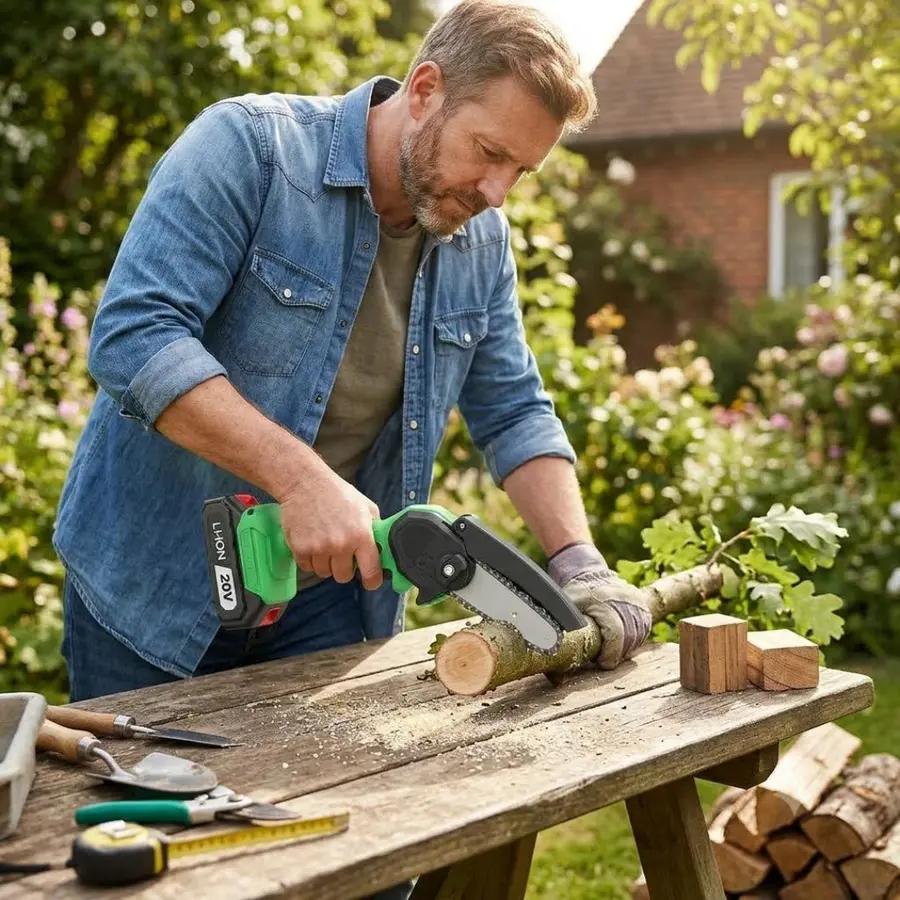 Mini Chainsaw vs. Reciprocating Saw for Pruning Branches
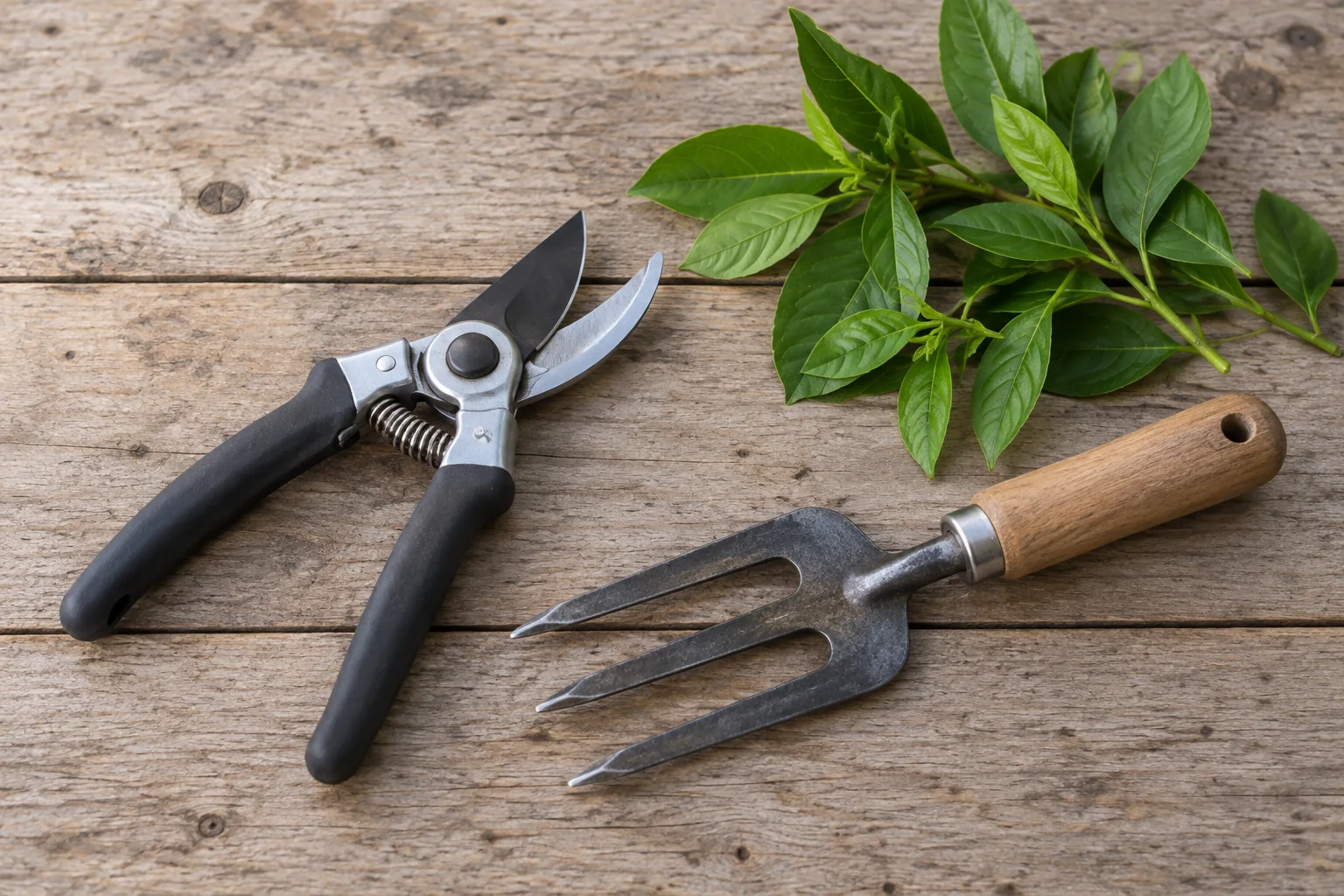 Why a Pruning Chainsaw Whines but the Chain Will Not Move