Kickback happens when the spinning blade catches a workpiece and throws it back toward the front of the saw. During a rip cut, the usual causes are a kerf that closes behind the blade, a panel that twists into the rear teeth, or a workpiece trapped between the blade and fence. Prevent it by using a properly aligned riving knife or splitter, confirming fence-and-blade alignment, supporting the panel, and keeping the stock moving straight and parallel to the fence.
If a panel starts binding, stops moving smoothly, drifts away from the fence, or requires extra force, do not push harder. Keep your hands clear, stop feeding the work, switch the saw off, and wait for the blade to stop before assessing the setup. A binding panel is a warning that the cut is no longer controlled.
Why table saw kickback happens during a rip cut
A table saw blade cuts downward at the front and rises at the back. If the workpiece contacts the rear portion of the blade, the rear teeth can lift and propel it toward the operator. OSHA identifies kickback as the blade catching stock and throwing it back toward the operator; it notes that kickback is more likely during ripping than crosscutting. OSHA table saw guidance
When ripping panels, the main problem is usually not the front of the cut. It is what happens after the blade passes: the newly cut kerf can close, the panel can sag or pivot, or the fence-side piece can press sideways into the blade. Any of these conditions can bring the stock into contact with the rear teeth.
Common signs of wood binding behind the saw blade
Stop the cut rather than trying to power through if you notice any of these signs:
- The saw sound changes noticeably or the motor begins laboring.
- The kerf closes behind the blade instead of remaining open.
- The panel needs increasing forward force to move.
- The workpiece pulls away from the fence or must be forced back to it.
- The offcut or fence-side piece begins rubbing the blade.
- The panel rocks, sags, or feels difficult to keep flat on the table.
A dull or unsuitable blade can also increase cutting resistance. OSHA recommends using the proper blade for the cutting action and maintaining and sharpening blades. OSHA table saw guidance
Set up the saw before ripping a panel
Use a riving knife whenever the cut allows it
A riving knife is the most effective defense against a kerf closing behind the blade because it moves with the blade as its height changes. It occupies the space just behind the blade, helping prevent the two sides of the kerf from squeezing back together and reducing the chance that stock will drift into the rear teeth.
Use the riving knife and blade guard assembly supplied for your saw whenever the operation permits. If your saw uses a fixed splitter instead, make sure it is correctly aligned with the blade. Both devices are intended to help prevent stock from squeezing the blade during ripping; OSHA specifically calls for a spreader for rip saws. OSHA table saw guidance
Do not assume every riving knife works with every blade. Blade thickness, kerf width, blade diameter, and the knife’s approved position matter. Verify the correct knife, splitter, guard, and blade combination in the current saw manual before cutting.
Check riving knife or splitter alignment
A riving knife or splitter that is bent, offset, or misaligned can create its own rubbing or steering problem. With the saw disconnected from power and the blade stopped, inspect whether the knife tracks in line with the blade rather than pointing toward either side of it. Follow the saw manufacturer’s adjustment procedure if it does not align correctly.
The blade, riving knife or splitter, miter slots, and rip fence all need to work together. Fine Woodworking emphasizes that the blade should be parallel to both the miter slots and the rip fence, along with a properly aligned splitter or riving knife. Fine Woodworking
Verify table saw fence alignment
The rip fence must guide the panel straight without forcing the cut closed against the blade. A fence that angles toward the rear of the blade can trap the fence-side piece between the fence and blade, creating a high-risk kickback condition.
Check alignment according to your saw manual. If you have any reason to suspect the fence is out of parallel—such as recurring burn marks, uneven resistance, or repeated binding—correct the alignment before ripping another panel. Do not try to compensate by twisting the panel while cutting.
Use a sharp blade intended for ripping
A blade that is dull, dirty, damaged, or poorly suited to the material increases feed resistance and can make a panel harder to control. Use the blade type and setup specified by the saw and blade manufacturers for the material and cut. OSHA advises using the proper blade for the cutting action and maintaining it in good condition. OSHA table saw guidance
For sheet goods, inspect both faces and edges before cutting. Remove loose hardware, debris, heavy contamination, or anything else that could interfere with the blade or fence. If a panel is warped, bowed, wet, damaged, or otherwise unstable, choose a safer cutting method rather than forcing it through the saw.
Support the panel so it cannot steer the cut
Large panels are difficult to control because their weight can pull them down, rotate them, or lift an edge as they pass the blade. Set up support before turning on the saw—not after the panel is already halfway through the cut.
Support the workpiece so it remains flat on the saw table and does not drop off the back of the saw. The outfeed support should be level enough that it does not lift the panel or pull it downward. OSHA advises supporting all pieces of stock, including cut and uncut ends, scrap, and finished product. OSHA production table saw guidance
For a wide panel, also plan how you will control the leading edge before it reaches the blade. If the panel is too large to keep firmly against the fence while also maintaining stable support, use a different method. A track saw, a circular saw with an appropriate straightedge setup, or breaking the panel down before the final table-saw cut may be safer. For related guidance on choosing between these tools, see track saw vs. table saw.
Do not rely on another person to pull the panel through the blade. An assistant may support outfeed without pulling, pushing, or steering the workpiece. The person feeding the panel must retain control of its direction against the fence.
Use a controlled feeding technique
Stand out of the kickback path
Stand slightly to one side of the blade and workpiece rather than directly behind the panel. This does not prevent kickback, but it reduces the chance of being in the direct line of travel if it occurs. OSHA specifically advises standing to the side of the saw blade to avoid injury from kickback. OSHA table saw guidance
Keep your body balanced. Do not reach across the blade, lean over a moving panel, or position yourself so that a sudden release of resistance could pull you into the blade.
Keep the panel flat, straight, and against the fence
Apply only the pressure needed to do three jobs:
- Move the panel forward at a steady rate.
- Keep it flat on the table.
- Hold its reference edge against the fence.
The pressure should guide the panel, not bend or twist it. Excess side pressure, especially near the rear of a large sheet, can steer the panel into the blade. Keep the material parallel to the fence throughout the cut, as OSHA recommends. OSHA table saw guidance
Use a push stick, push block, or other appropriate work-holding aid when your hands would otherwise approach the blade or when finishing the cut. The correct choice depends on the panel size, cut width, blade guard arrangement, and saw manual. Do not make a narrow rip with your hands close to the blade simply because the panel started out wide.
Finish the cut without reaching near the blade
Continue pushing the workpiece fully past the blade before releasing it. Do not reach behind or around a spinning blade to remove an offcut, clear scrap, or retrieve a panel. Wait until the blade has stopped.
The fence-side workpiece is the piece most likely to be constrained between the fence and blade. Do not try to hold, pull, or catch it from behind the blade during the cut. If the offcut is very narrow, revise the setup so the narrow piece is not trapped on the fence side, or use a safer alternative method.
When a featherboard can help
A featherboard can help hold a panel consistently against the fence before it reaches the blade. It is useful when the stock has a reasonably straight reference edge and the setup allows the featherboard to apply pressure without interfering with the guard, riving knife, or feed path.
A featherboard is not a replacement for a riving knife or splitter. Woodcraft notes that it is less efficient and less effective than a riving knife or splitter for preventing kickback. Woodcraft
Use featherboards only in a position and manner supported by the saw’s manual and the accessory instructions. They should guide stock into the fence before the blade, not pinch it against the blade or obstruct a safe push-through.
Do not continue the cut if the panel binds
A panel that binds is telling you something is wrong with the material, support, alignment, or cutting plan. Stopping is the correct response.
Turn off the saw and wait for a complete stop if:
- The kerf is closing behind the blade.
- The panel is drifting or rotating away from the fence.
- You must force the material forward.
- The panel is sagging or becoming unsupported.
- The blade is burning the cut or leaving unusual marks.
- The riving knife, splitter, guard, fence, or blade appears to be rubbing the workpiece improperly.
After the blade stops, inspect the panel for internal stress, warp, or a closing kerf. Check the fence, blade, and riving knife alignment. Reassess whether the panel can be safely ripped on the table saw at all. Material with significant internal stress can pinch the blade as it is cut; a riving knife or splitter helps reduce that risk, but it does not make every unstable board or panel safe to cut. WoodworkWeb
Quick pre-cut checklist for safe panel ripping
Before each rip cut, confirm:
- The blade is appropriate, sharp, clean, and securely installed according to the saw manual.
- The blade, fence, and riving knife or splitter are correctly aligned.
- The blade guard and riving knife are installed when the cut permits their use.
- The panel has a straight reference edge to run against the fence.
- The panel and both resulting pieces will be supported throughout the cut.
- The fence-side piece will not be trapped or forced into the rear of the blade.
- Push aids are ready before the cut begins.
- The area behind the saw is clear, with no need to reach near the blade to manage the offcut.
- You are standing out of the direct kickback line.
- You have a clear plan to stop if the panel binds.
Kickback prevention is mostly about refusing to let the wood become trapped, twisted, unsupported, or forced into the back of the blade. When the setup cannot keep the panel straight, supported, and separated behind the cut, change the method rather than taking the cut anyway.
References
- How to Prevent Table Saw Kickback | Katz-Moses Tools. (n.d.). https://kmtools.com/blogs/news/how-to-prevent-kickback
- Preventing Tablesaw Kickback. (n.d.). https://www.woodcraft.com/blogs/shop-knowledge-guides/preventingtablesaw-kickback-it-s-not-an-acceptable-risk
- Table Saw Riving Knife / Splitter Set-up and Alignment. Prevent Table Saw Kickback.. (n.d.). https://www.woodworkweb.com/woodworking-videos-1/general-woodworking-videos/728-re-aligning-the-splitter-and-riving-knife-on-a-table-saw.html
- Table-Saw Kickback: Why It Happens and How to Prevent It. (n.d.). https://www.finewoodworking.com/2024/12/16/table-saw-kickback-why-it-happens-and-how-to-prevent-it
- 12 WORST TABLE SAW MISTAKES!! And How To Avoid Them…(DON’T DO THESE THINGS! Kickback/Binding). (n.d.). https://www.youtube.com/watch?v=gN_w0OD6oIs
- Table Saw Riving Knife / Splitter Set-up and Alignment. Prevent Table Saw Kickback.. (n.d.). https://www.youtube.com/watch?v=akRpKwslw-k
- eTool : Machine Guarding - Saws - Table Saws | Occupational Safety and Health Administration. (n.d.). https://www.osha.gov/etools/machine-guarding/saws/table
- eTool : Woodworking - Production - Specific Finishing Equipment - Table Saws | Occupational Safety and Health Administration. (n.d.). https://www.osha.gov/etools/woodworking/production/machines-tools/table-saws
- eTool : Woodworking - Rough Mill - Rough Mill Equipment - Table Saws | Occupational Safety and Health Administration. (n.d.). https://www.osha.gov/etools/woodworking/rough-mill/equipment/table-saws
- Terrified of Kickback on Table Saw : r/woodworking. (n.d.). https://www.reddit.com/r/woodworking/comments/1033zsd/terrified_of_kickback_on_table_saw
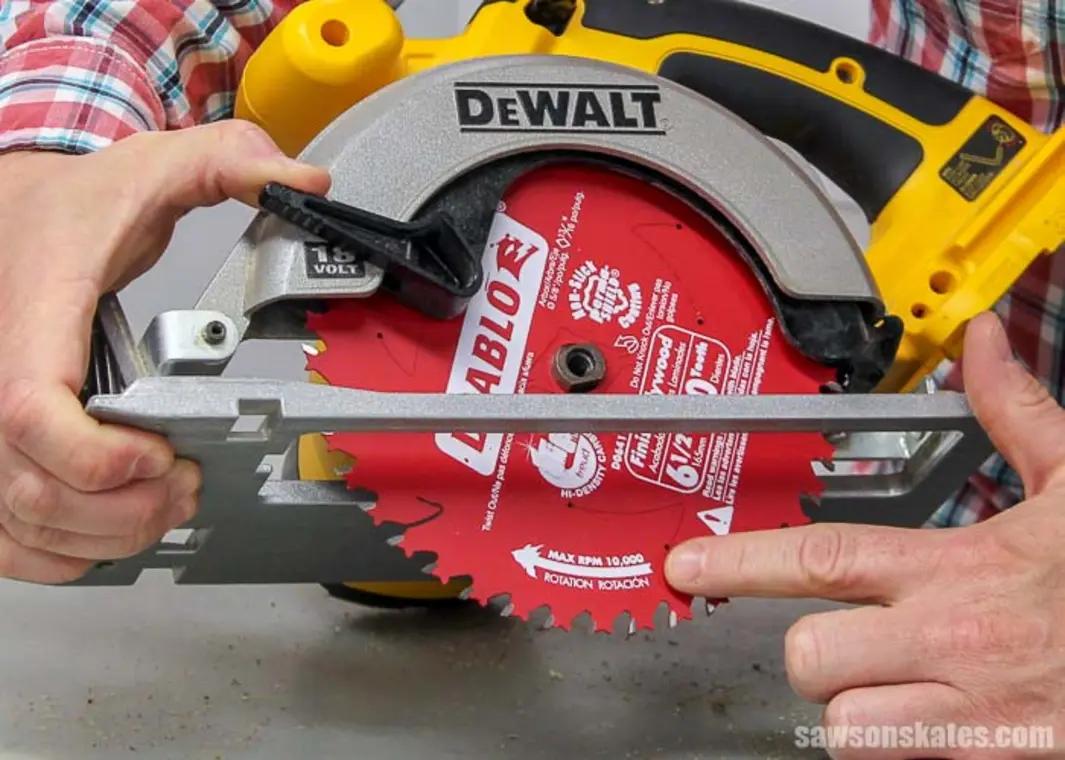 Which Way Does a Circular Saw Blade Go? How to Check Installation Safely
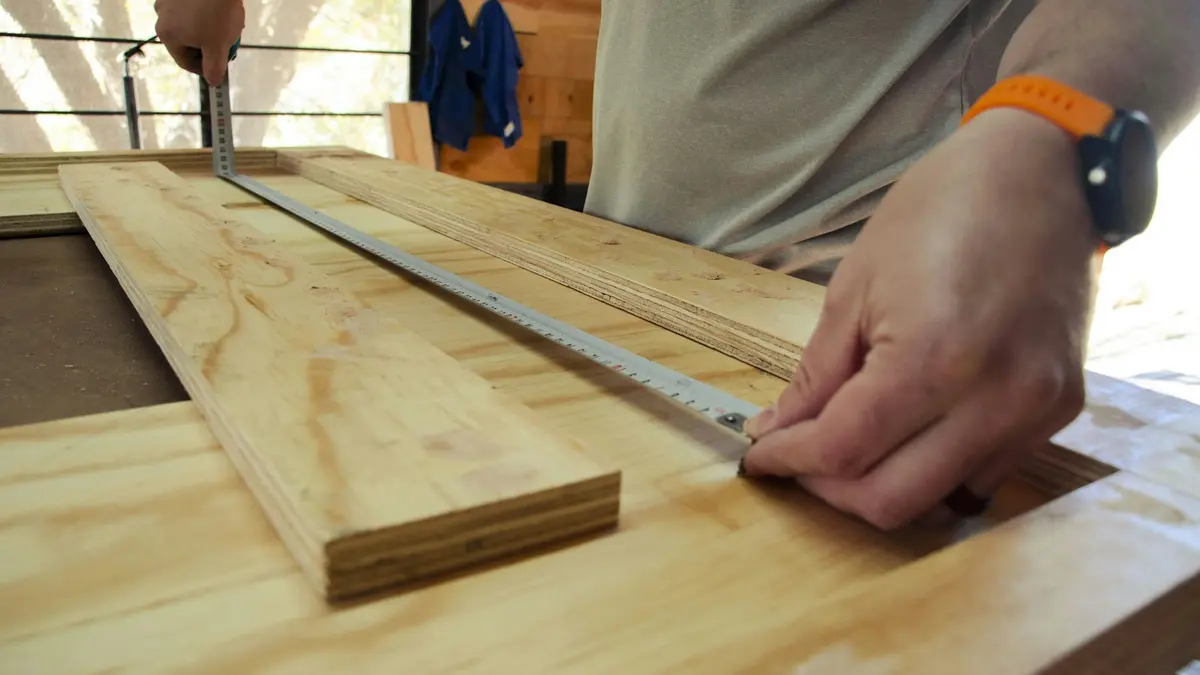 How to Cut a Wide Board Cleanly and Accurately on a Table Saw
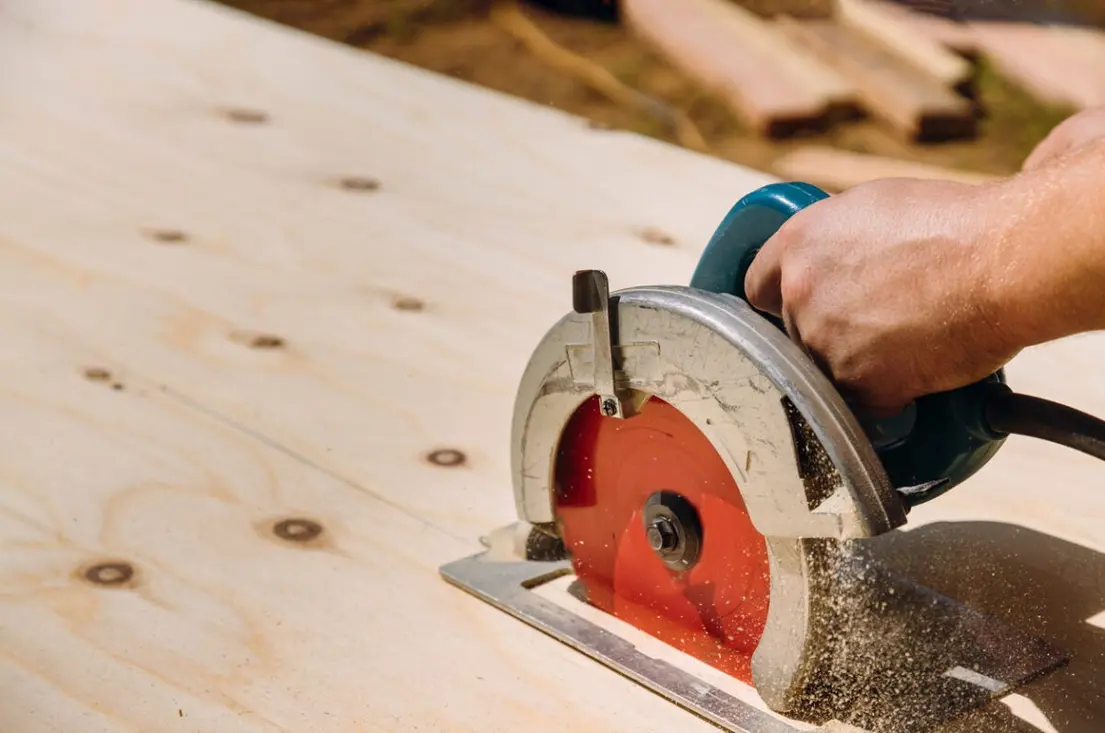 Why a Circular Saw Blade Deflects During a Cut and How to Troubleshoot It