For occasional DIY work, a small, task-focused group of reciprocating saw blades is usually more useful than a large mixed set full of duplicates. Start with a coarse clean-wood or pruning blade for branches, a nail-embedded-wood demolition blade for pallets, and a bi-metal metal-cutting blade suited to the thickness of the aluminum or steel you expect to cut. Add blades as a real job requires them.
The basic rule is simple: match the blade to the material, then choose tooth pitch and length for the cut. Low TPI (teeth per inch) generally means larger teeth and faster cutting in wood. Higher TPI means smaller teeth and is generally better for metal and thinner material. Do not treat a blade as universal merely because it fits the saw.
Start With the Material and the Job
A reciprocating saw blade has to do more than cut the surface you can see. Consider whether the work involves clean wood, nails or screws, sheet metal, thick metal, plastic, roots, or abrasive material. That decision determines the blade category.
Clean wood, branches, and rough lumber
Use a coarse-tooth wood blade for clean framing lumber, firewood-sized offcuts, and similar fast cuts. Large gullets—the spaces between teeth—carry sawdust away efficiently. These blades favor speed over a smooth finish.
A dedicated pruning reciprocating saw blade is usually the better choice for branches. Pruning blades commonly have a long body, aggressive tooth pattern, and a profile intended to clear green wood fibers and debris. They are useful for trimming branches when the workpiece can be controlled safely, but they are not the best blade for plywood, lumber with hidden nails, or metal.
For plywood, choose a wood blade with a tooth pattern appropriate for a more controlled cut than rough demolition work. A reciprocating saw is inherently a rough-cutting tool, so it is not the first choice where a clean, straight plywood edge matters. For straighter panel cuts, see /how-to-cut-plywood-straight-with-a-circular-saw/.
Pallets, old lumber, and renovation work
Pallets and reclaimed lumber are demolition jobs, not clean-wood jobs. A board may contain nails, screws, staples, grit, or metal fasteners hidden below the surface. Choose a demolition reciprocating saw blade specifically marked for nail-embedded wood or wood and metal.
These blades are commonly bi-metal and use a tooth design that balances wood-cutting speed with better resistance to tooth damage from fasteners. They may cut clean wood less aggressively than a dedicated pruning or coarse wood blade, but they are the sensible choice when embedded metal is likely.
Aluminum angle, pipe, and other metal
Use a metal cutting reciprocating saw blade for aluminum angle, copper, steel, conduit, and similar materials. Metal blades generally have finer teeth than wood blades, helping keep multiple teeth engaged in the material instead of snagging or stripping teeth.
Aluminum deserves its own caution. It can produce chips that pack into a blade’s gullets or adhere to the teeth when the cut runs too hot. A blade with fewer teeth than one chosen for thin steel may help provide chip clearance, but the correct choice still depends on the aluminum thickness and the blade maker’s application chart. Check the blade packaging or manufacturer documentation rather than relying on one TPI number for every metal.
Do not use a wood blade on metal. It is likely to cut poorly and can damage the teeth or produce an uncontrolled cut.
Understand Recip Saw Blade TPI
TPI is one of the quickest ways to sort reciprocating saw blade types, but it is not the only specification. Blade material, tooth shape, and the thickness of the workpiece matter too.
Low TPI: fast cuts in wood
Lower-TPI blades have larger, widely spaced teeth. They are commonly used for:
- Pruning branches and cutting green wood
- Rough cuts in framing lumber
- Cutting thick, clean timber
- Fast demolition cuts in wood when the blade is designed for that use
The wide spacing helps remove wood chips. The tradeoff is a rougher cut and less control in thin material.
Medium TPI: general demolition and mixed materials
Medium tooth pitches are often used on blades intended for nail-embedded wood, plastics, and mixed demolition materials. They are a practical middle ground for a homeowner breaking down pallets or removing old construction materials.
A combination or demolition blade can be a useful default blade for uncertain material, but it is still a compromise. It will not prune as efficiently as a purpose-made pruning blade or cut metal as cleanly as a dedicated metal blade.
High TPI: metal and thinner stock
Higher-TPI blades have smaller, closely spaced teeth. They are generally intended for metal, including thin-walled tubing, sheet material, and smaller metal sections. Fine teeth create a more controlled cut in thin material and reduce the chance that a tooth will catch aggressively.
The usual principle is that thicker metal can accept a lower TPI than thin metal, while thin stock needs finer teeth. Follow the current blade manufacturer’s thickness guidance for the particular blade, material, and application.
Choose Blade Material Before Buying a Set
The blade body and tooth material affect durability, flexibility, and cost. Package labels vary, but these are the main categories to recognize.
High-carbon steel blades
High-carbon steel blades are commonly used for clean wood and pruning. They can cut wood quickly and are often economical, but they are not the right choice for metal or repeated contact with nails.
Bi-metal blades
Bi-metal blades combine a flexible blade body with a harder tooth edge. They are a strong general choice for nail-embedded wood, demolition, and metal cutting because they are designed to balance tooth life with resistance to breakage.
For an occasional DIY user, bi-metal blades are often worth the extra cost in the applications where a hidden fastener is possible. A cheaper clean-wood blade can become unusable quickly after meeting a nail.
Carbide-tooth and carbide-grit blades
Carbide-tooth blades are specialty options for demanding materials, such as thick metal, abrasive material, or particularly hard cutting tasks, depending on the blade’s stated application. Carbide-grit blades have no conventional teeth and are intended for select abrasive materials.
These are not essential for ordinary branch trimming, plywood, aluminum angle, or routine pallet breakdown. Buy them only when the package explicitly matches a material you actually need to cut.
Pick the Right Blade Length
Blade length affects access, stiffness, and control. A blade needs enough length to pass through the material with some usable clearance during the saw stroke, but an unnecessarily long blade can flex and vibrate more.
For compact work, such as cutting a small aluminum angle or a board near a wall, a shorter blade can be easier to manage. For branches, thick lumber, or cuts where the saw body cannot get close to the work, a longer blade may be necessary.
Do not choose length by the blade’s overall measurement alone. Account for how far the blade must reach past the saw’s shoe, through the material, and beyond the cut. Confirm the blade length and shank style are approved for your specific saw in the current tool manual.
A Practical Blade List for the Occasional DIY User
Instead of buying the largest assortment available, build around the jobs you actually perform:
- Pruning blade: A coarse, long blade intended for clean branches and green wood.
- Clean-wood blade: A coarse wood blade for rough lumber and general woodcutting where nails are not expected.
- Demolition blade: A bi-metal blade rated for nail-embedded wood for pallets, old lumber, and renovation work.
- Metal blade: A fine-tooth bi-metal blade selected for the thickness and type of metal you expect to cut, including aluminum angle.
- Optional specialty blade: Buy only for a known need, such as thick metal, cast material, masonry, or another material clearly named on the packaging.
This small selection covers the common jobs without leaving you dependent on one all-purpose blade. Replace the blades you use most rather than accumulating many unfamiliar specialty blades.
When a Mixed Blade Set Makes Sense
A mixed set is worthwhile when it contains a few clearly labeled, useful blade categories and you genuinely expect varied work. It can be a convenient way to try blade types and learn which ones your projects consume.
Avoid sets that seem large mainly because they include multiple short blades of unclear purpose. Count the blades you will actually use: one or two pruning or wood blades, several demolition blades if you work with pallets, and several metal blades if you cut metal regularly may be more practical than a broad assortment.
Read each blade’s printed application label. Names such as “wood,” “metal,” “demolition,” and “multi-material” are more useful when backed by details about blade material, TPI, intended thickness range, and whether the blade is rated for nails.
Signs You Need a Different Blade
Stop and reassess the blade choice if you see these problems:
- The saw stalls, chatters excessively, or the blade bends during a normal cut.
- Teeth are stripped, rounded, or damaged after contact with a fastener.
- Wood burns or cuts unusually slowly with a blade that should be sharp.
- Metal cutting creates heavy vibration, snagging, or little progress.
- Aluminum chips pack into the tooth spaces.
- The cut becomes difficult to control because the blade is too long or too flexible for the work.
A worn blade is consumable, not something to force through a job. Replacing the correct inexpensive blade is generally preferable to damaging the workpiece or overloading the saw.
Safe Blade Selection and Use
Before changing a blade or beginning a cut, consult the current saw manual and the blade manufacturer’s instructions. Verify that the shank is compatible with your saw, that the blade is installed and retained as the manufacturer specifies, and that the blade is rated for the material being cut.
Inspect wood for visible nails, screws, staples, and other obstructions. Secure the work using a method appropriate to the material and cut, and make sure the blade path does not enter hidden wiring, plumbing, or structural components. For pruning, inspect the branch and its surroundings for tension, falling material, and ground hazards before cutting.
Use the safety equipment, work-holding methods, and operating procedures specified in the current manufacturer manual and applicable local guidance. If the task involves overhead work, damaged structures, concealed services, or a branch that cannot be controlled, use a more suitable method or seek qualified help.
The Bottom Line
Choose reciprocating saw blades by task, not by how many come in a package. Use a pruning blade for clean branches, a clean-wood blade for rough lumber, a nail-rated bi-metal demolition blade for pallets, and a metal blade matched to the thickness of aluminum or steel.
For most occasional users, a small set of quality task-specific blades is more useful than a large assortment. The right blade cuts faster, lasts longer, and makes the saw easier to control.
References
- Reciprocating Saw Blades For Wood & Metal | Xcatalogue. (n.d.). https://xcatalogue.co.uk/power-tool-accessories/cutting-saw-blades/reciprocating-saw-blades-sets
- The 5 Best Reciprocating Saw Blades For Every DIY Project In 2024. (n.d.). https://treefluent.com/best-reciprocating-saw-blades
- Dialing in your Power X3: How to Choose the Correct Reciprocating Blade. (n.d.). https://www.starrett.com/news-events/dialing-in-your-power-x3-how-to-choose-the-correct-reciprocating-blade
- Milwaukee Reciprocating Saw Blades | Toolden. (n.d.). https://www.toolden.co.uk/brands/milwaukee/milwaukee-accessories/milwaukee-saw-blades/milwaukee-reciprocating-saw-blades
- Reciprocating Saw Blades Explained: A Buyers Guide to Finding the Right Blade. (n.d.). https://www.youtube.com/watch?v=n02YfmsWEXs
- What Is the Best Saw for Pruning? Reciprocating Saw Blades Guide. (n.d.). https://www.ezarctools.com/blogs/blog/best-saw-for-pruning-reciprocating-saw-blades
- How To Choose a Reciprocating Saw Blade - Lowe’s. (n.d.). https://www.lowes.com/n/buying-guide/choose-best-reciprocating-saw-blade
- SAWZALL Reciprocating Blades and Blade Accessories | Milwaukee Tool. (n.d.). https://www.milwaukeetool.com/products/accessories/cutting/sawzall-blades
- The Ultimate Guide to Reciprocating Saw Blade Choices. (n.d.). https://www.truevalue.com/diy-projects/maintenance-and-repair/choose-reciprocating-saw-blade
- Reciprocating Saw Blades: A Complete Guide - Spyder Products. (n.d.). https://spyderproducts.com/pages/edu-reciprocating-saw-blades
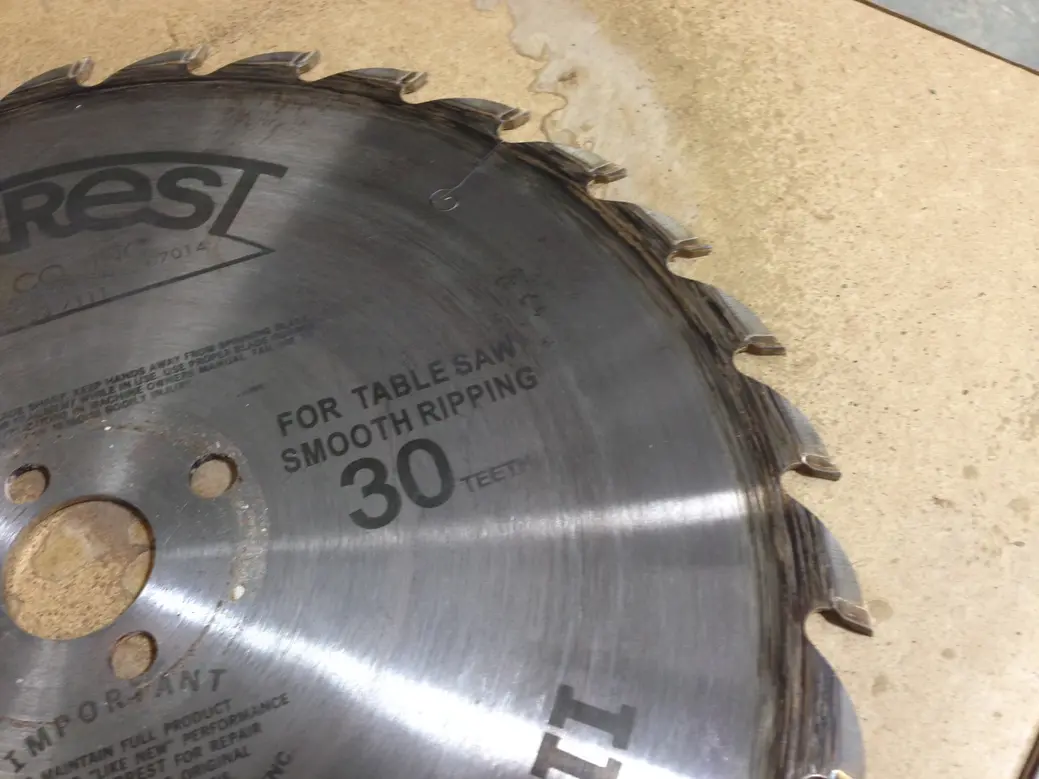 Circular Saw Blade Maintenance: Clean, Sharpen, or Replace?
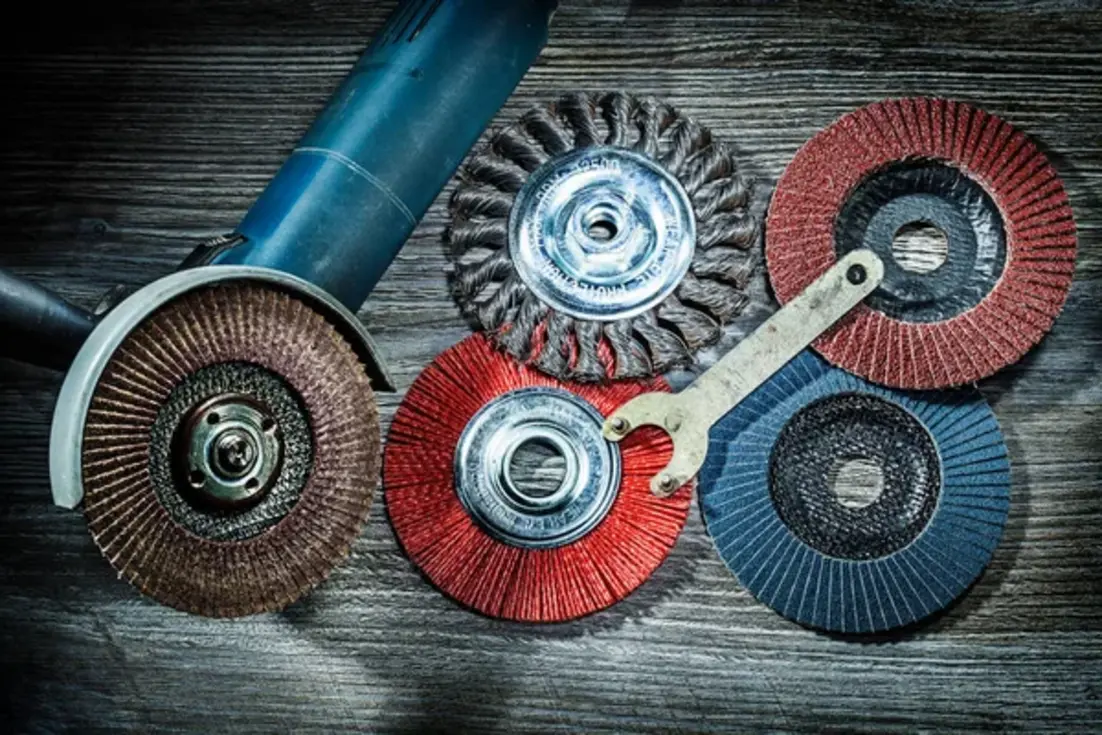 Angle Grinder Disc Types and Uses: Choose the Right Wheel for Each Job
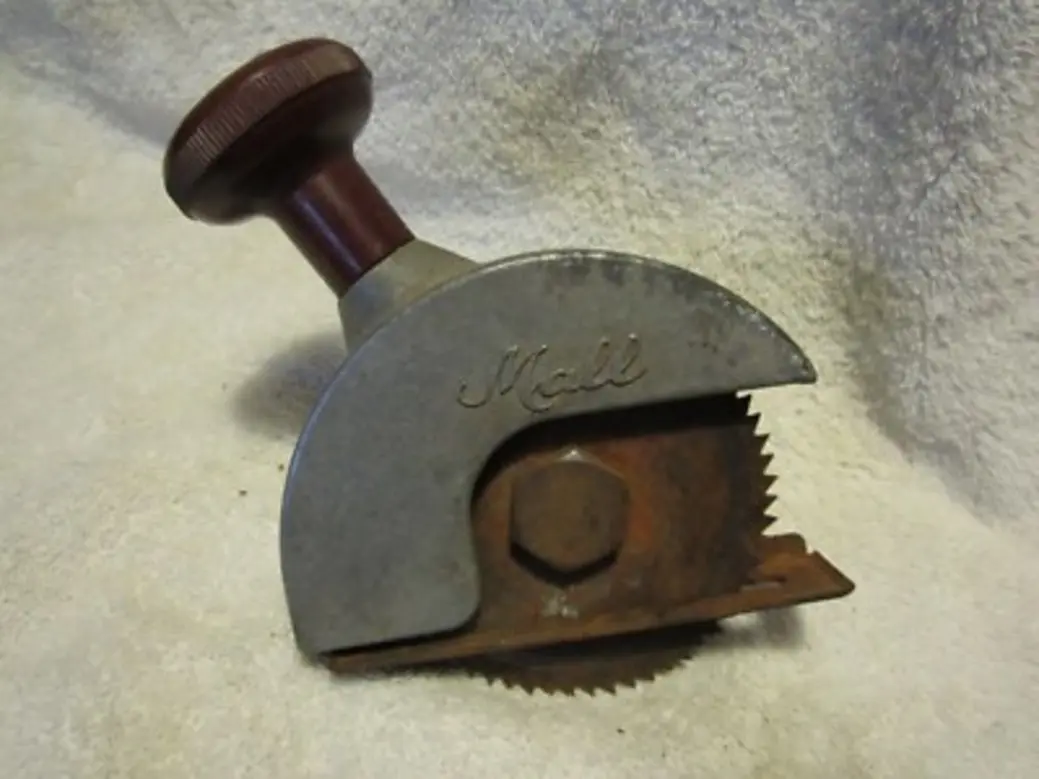 Drill-Powered Circular Saw Attachments: What They Are and Why They Need Extra Caution