A useful first pair of pruning shears is usually a bypass hand pruner that fits your hand, reaches the stems you need to cut, and is used within its stated cutting capacity. Choose it for living stems, flowers, young shoots, and routine shrub work. Do not choose only by the largest branch that fits between the open blades.
The right pruner is determined by three practical questions: What kind of plant tissue are you cutting? How thick and hard are the stems in normal use? Can the tool head and your hand actually reach the cut without crushing nearby growth or twisting your wrist?
Start with a bypass pruner for living plants
A bypass pruner cuts with a sharpened curved blade that passes closely by a counterblade, much like scissors. This action is generally the best choice for live stems because it makes a close, cleaner cut with less crushing than an anvil-style pruner.
For one all-purpose garden tool, choose bypass pruners for garden plants such as:
- Perennials and ornamental grasses with substantial stems
- Roses and flowering shrubs
- Berry canes and small fruiting shrubs
- Young tree shoots and small twigs
- Houseplant stems and light harvest work
- Deadheading and selective thinning
Anvil pruners close a cutting blade onto a flat surface. They can be useful for dry, brittle deadwood, but their action is more likely to compress soft, living tissue. If most of your pruning involves healthy plants, bypass is the more versatile choice.
Match the tool to the stem, not the open jaw
A pruner’s listed cutting capacity is a maximum design limit, not a promise that every branch of that diameter will be comfortable to cut. Green, soft new growth is much easier to cut than old, dry, fibrous, or dense wood of the same apparent thickness.
When comparing pruning shears by stem size, use the manufacturer rating as an upper boundary and expect the easiest, cleanest work below it. A hand pruner is at its best when it closes smoothly with controlled hand pressure. If you must brace the branch, use both hands on the handles, repeatedly squeeze without progress, or twist the tool to finish the cut, the branch is too demanding for that pruner.
Forcing a hand pruner through oversized wood can damage the plant, strain your hand, dull the blade, or push the blades out of alignment. Move to loppers when added handle length and leverage will make the cut easier. Use a pruning saw when the branch is too thick or hard for a clean, controlled lopper cut.
For related maintenance and tool-selection guidance, see how to maintain pruners and loppers and mini chainsaw vs reciprocating saw for pruning.
Choose the head shape for your working space
Blade geometry affects access as much as cutting ability. A standard bypass pruner has a broader head and often feels more stable when cutting exposed stems. It is a sensible general-purpose shape for open shrubs, roses, perennials, and light tree pruning.
A narrow or pointed bypass head is more useful when the stem is inside a crowded plant. It can slip between canes, leaves, and neighboring shoots so you can remove one stem near its origin rather than cutting whatever is easiest to reach.
Choose a narrow head when you often prune
- Dense shrubs with many crossing stems
- Roses with crowded canes
- Houseplants and container plants
- Fruit clusters or berry canes where you want to avoid nearby growth
- Interior shoots on small trees or tightly branched ornamentals
Choose a standard head when you mostly prune
- Open-grown shrubs and perennials
- Larger, easy-to-reach stems within the pruner’s rating
- General seasonal cleanup
- Plants where precision access is less important than repeated comfortable cuts
A narrow head does not automatically mean a stronger or higher-capacity pruner. It is primarily an access and precision feature.
Hand pruners vs. pruning snips
Hand pruners and pruning snips are not interchangeable, even though both are one-handed cutting tools.
Hand pruners have sturdier blades, larger handles, and more leverage. They are the everyday choice for woody or semi-woody stems, deadheading, shaping shrubs, and cutting back perennials.
Pruning snips have smaller, finer blades and are designed for delicate, precise work. They are useful for harvesting, trimming soft shoots, removing spent flowers, and reaching into tender growth. Their fine tips can be easier to place, but they should not be treated as miniature branch cutters.
If you want one useful pair, buy hand pruners first. Add snips later if you regularly work with herbs, flowers, vegetables, houseplants, or delicate stems where a compact tip provides a real advantage.
Fit the handles to your hand and grip
A sharp, well-made pruner still becomes frustrating if the handles are too wide, too narrow, too heavy, or difficult to close. Hand fit affects control, fatigue, and whether you can keep the cutting blade in the right position.
When holding a pruner, check that:
- Your fingers wrap the handle without being overstretched.
- The handles do not pinch at the base of your thumb or inside your fingers.
- You can fully close the tool without shifting your grip.
- The pruner feels balanced rather than head-heavy.
- You can operate the lock without awkwardly repositioning your hand.
Smaller hands may benefit from a shorter overall tool or a reduced handle opening. Larger hands may need more handle length and space to avoid a cramped grip. Left-handed gardeners should consider a left-handed design if a conventional pruner places the blade, lock, or handle shape in an uncomfortable position.
Cushioned or non-slip grips can improve comfort, especially in wet conditions, but they cannot correct a poor handle size. A rotating handle may reduce friction during repeated cuts for some users, while others prefer the simpler feel of fixed handles. If possible, close the pruner repeatedly before buying rather than judging fit by an open-hand hold.
Check the lock, spring, and cleanup details
Small features matter because hand pruners are opened and closed hundreds of times over a season.
A lock should be easy to operate intentionally but resistant to accidental movement while working. Test whether you can engage and release it with your usual gardening gloves, if you wear them. A difficult lock can discourage safe storage; an overly loose one can interrupt a cut.
The spring should reopen the handles smoothly without catching plant debris. A concealed or protected spring may collect less debris than an exposed coil, but whichever style you choose should be accessible enough to clean and replace if needed.
Look for a tool that can be cleaned easily. Sap, soil, and plant residue increase drag and can interfere with blade movement. After use, wipe the blades and pivot area clean, dry the tool before storage, and follow the manufacturer instructions for lubrication, adjustment, sharpening, and replacement parts.
Favor repairable construction for a frequently used pruner
A good pruner does not need to be complicated, but a tool used often benefits from serviceable parts. Before buying, check whether the maker offers replacement blades, springs, screws, counterblades, and handles for that model.
Replaceable parts matter most when you expect to use the pruner for years. A worn blade or spring is a normal service issue; it should not automatically mean replacing the whole tool. However, if blades no longer pass closely, the pivot is badly damaged, or the tool cannot hold alignment after adjustment, repair may not restore dependable cutting.
A clean cut is the basic performance test. If a pruner crushes, tears, or leaves fibers uncut on stems that are clearly within its intended range, stop forcing it. Clean the blades, check for sap buildup and looseness, and consult the current manufacturer instructions for adjustment or blade replacement.
A quick buying decision
Choose a standard-head bypass hand pruner if you mostly deadhead, cut back perennials, prune roses, and trim accessible shrub stems.
Choose a narrow-head bypass pruner if you regularly need to select individual stems inside dense plants, containers, berry canes, or crowded shrubs.
Choose pruning snips as a second tool if your work is mostly tender stems, flowers, herbs, harvesting, or fine detail cuts.
Choose loppers or a pruning saw instead of a heavier hand pruner if your routine cuts approach the tool’s rated limit, require body weight or twisting, or involve mature woody branches.
Use hand pruners safely and within their limits
Keep your free hand out of the blade path and stabilize the stem without placing fingers where a slipping tool could reach them. Make sure you have stable footing and enough room to close the handles without striking yourself, nearby plants, or hard surfaces.
Use the cutting blade on the side of the branch that will remain on the plant, when the tool design and cut location allow it. This helps place the cleaner cutting action on the retained portion. Avoid twisting the handles or using the pruner as a lever after the cut begins.
Inspect the current manufacturer manual for the tool’s stated cutting capacity, maintenance procedure, lock operation, replacement parts, and any use limitations. For overhead work, large branches, work near utilities, or pruning that requires climbing, follow applicable official safety guidance and use a tool and method intended for that situation.
The best one-pair choice is not the biggest pruner you can squeeze. It is a sharp bypass pruner that fits your hand, enters your typical working space, and cuts your usual live stems cleanly without forcing.
References
- How to Choose Pruning Shears – FELCO North America. (n.d.). https://america.felco.com/blogs/news/how-to-choose-pruning-shears
- Why Do My Pruning Shears Crush Stems Instead of Cutting? – Ukoke. (n.d.). https://ukoke.com/blogs/all-blogs/why-pruning-shears-crush-stems-before-cutting
- The 6 Best Pruning Shears and Hand Pruners (2026). (n.d.). https://spearheadspade.com/blogs/garden-guides/best-pruning-shears
- Best Hand Pruners / Pruning Shears: Guide & Recommendations - Gardening Products Review. (n.d.). http://gardeningproductsreview.com/best-hand-pruners
- How To Choose and Use Pruners - This Old House. (n.d.). https://www.thisoldhouse.com/tools/how-to-choose-and-use-pruners
- Pruning Tools | University of Maryland Extension. (n.d.). https://extension.umd.edu/resource/pruning-tools
- Pruning Shears vs. Hand Pruners: What’s the Difference?. (n.d.). https://www.yahoo.com/lifestyle/pruning-shears-vs-hand-pruners-132800420.html
- The Best Pruning Shears of 2026, Expert-Tested and Reviewed. (n.d.). https://www.bobvila.com/reviews/best-pruning-shear
- Best Hand Pruners / Pruning Shears: Guide & Recommendations - Gardening Products Review. (n.d.). https://gardeningproductsreview.com/best-hand-pruners
- Pruning Shears - Choosing the Best Pruning Tool. (n.d.). https://commonsensehome.com/pruning-shears
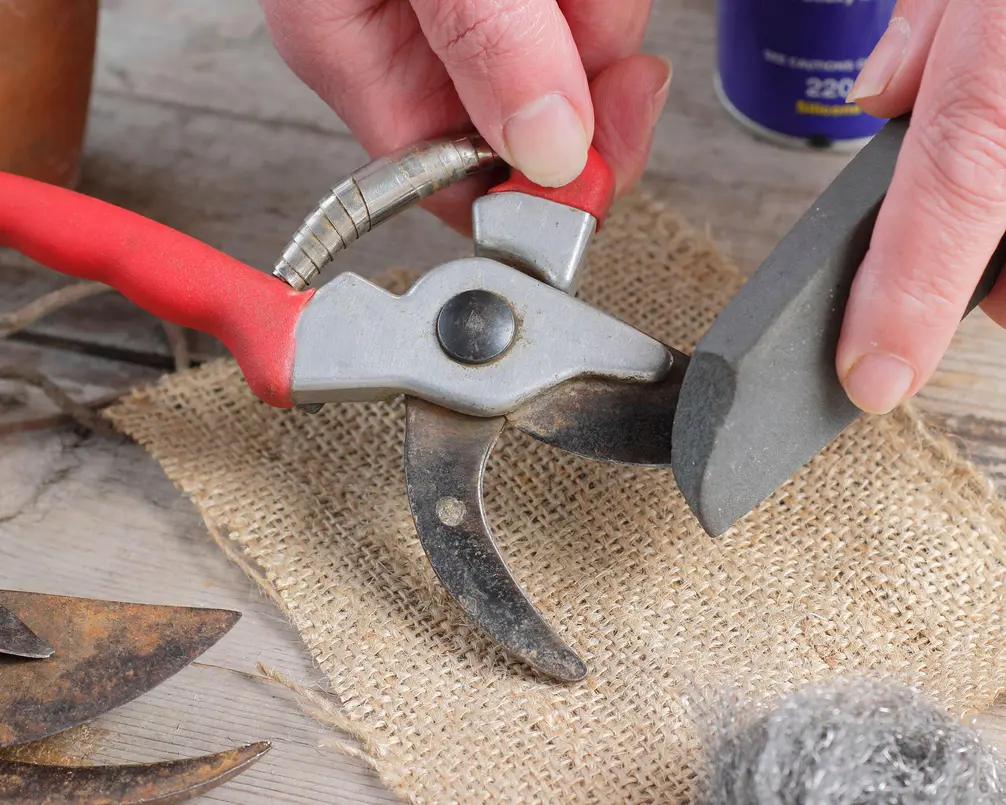 How to Disinfect Pruning Shears Between Plants Without Damaging Them
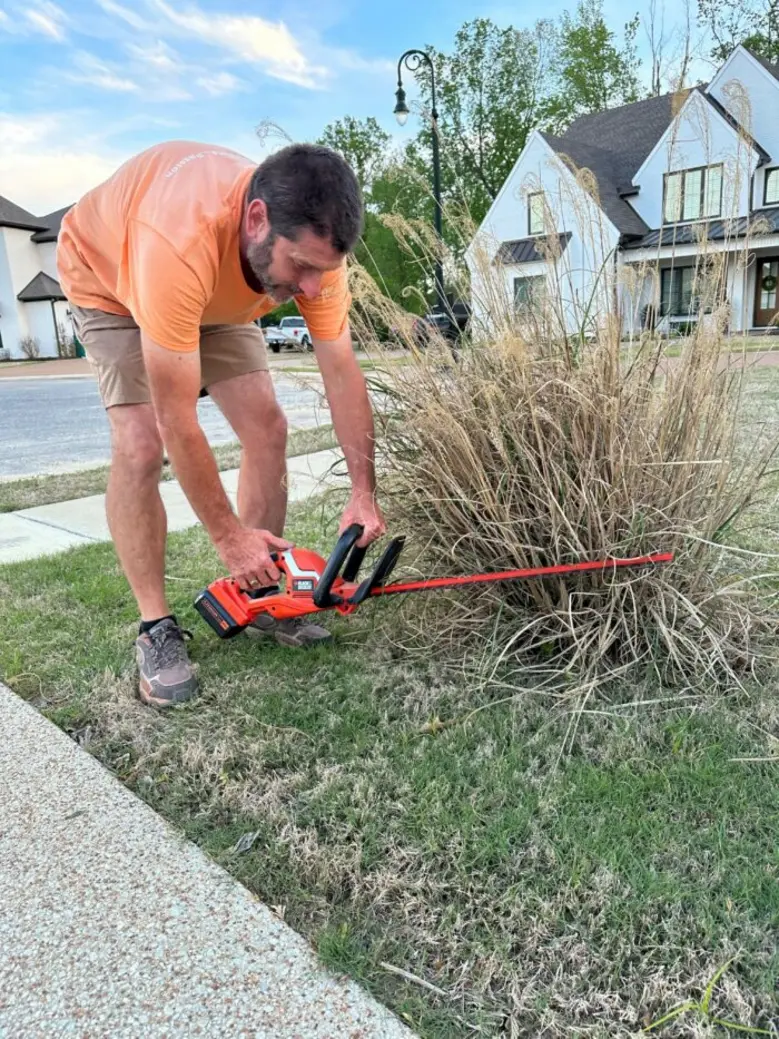 Are Powered Pruning Shears Worth It for Arthritic Hands?
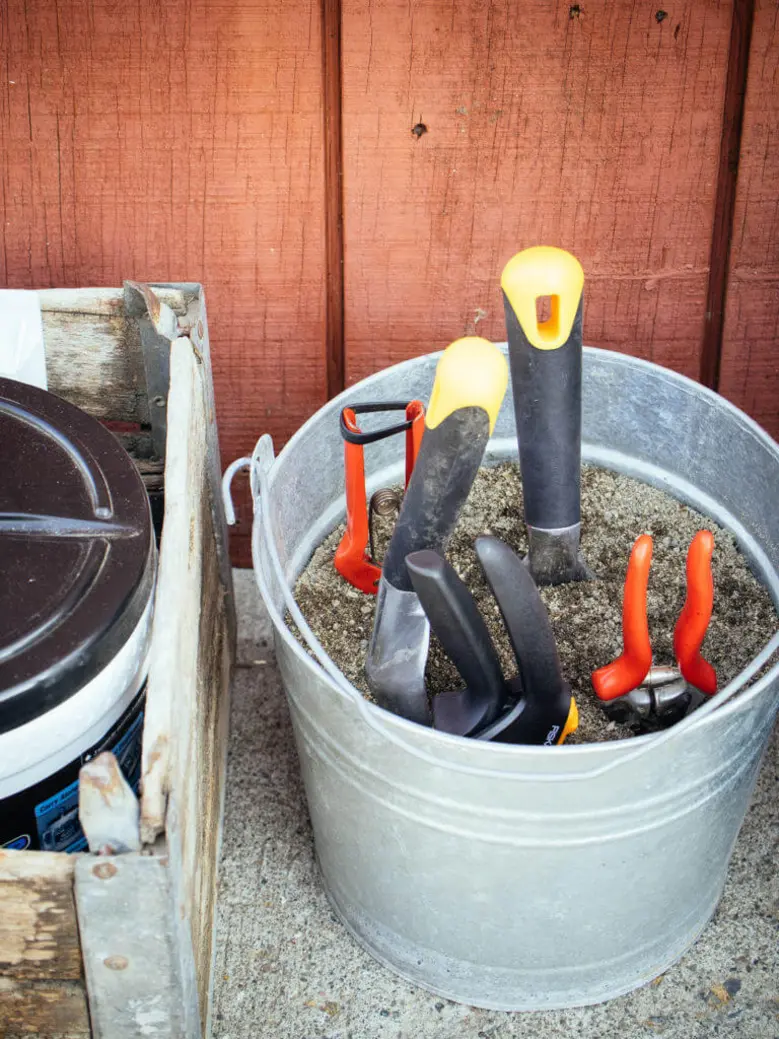 How to Clean, Oil, and Store Pruners and Loppers