Choose a garden hoe by starting with the weeds and the space between your plants. For fast removal of tiny weeds in open, loose soil, choose a scuffle or stirrup hoe. For controlled work around established plants, bed edges, crusted soil, or jobs that also involve shaping soil, choose a draw hoe. A Dutch hoe is a useful push-style alternative for broad, shallow weeding.
There is no universal best weeding hoe. The right choice depends on whether you prefer pulling or pushing, whether weeds are still seedlings, how tight your planting is, and whether you need the hoe to do more than weed. Hoes are most efficient when they sever young weeds near the soil surface before those weeds develop substantial roots. Gardening Australia notes that hoes are intended to disturb the top layer of soil where young weed roots grow.
Start with the weed size and soil condition
A hoe is primarily a shallow cultivation tool, not a substitute for digging out mature perennial weeds. Use it when weeds are small and the soil surface is dry enough for cut weeds to wilt after hoeing. If the bed is full of large, deep-rooted weeds, a hand weeder, digging fork, or mattock may be more effective than repeatedly striking the soil with a hoe.
For newly emerged annual weeds, aim to cut only a thin layer below the surface. Deep hoeing brings up more dormant weed seed and can disturb crop roots. A scuffle or stirrup hoe is particularly suited to this surface work because its blade travels nearly parallel to the ground. Iowa State University Extension describes a scuffle hoe as a weeding tool moved back and forth just below the soil surface. Source
If soil has formed a crust, contains small clods, or needs light reshaping, a draw hoe gives more leverage. It can chop lightly, pull soil, and clean up weeds that are too established for a shallow slicing pass.
Choose the hoe style
Draw hoe: best for control and mixed garden jobs
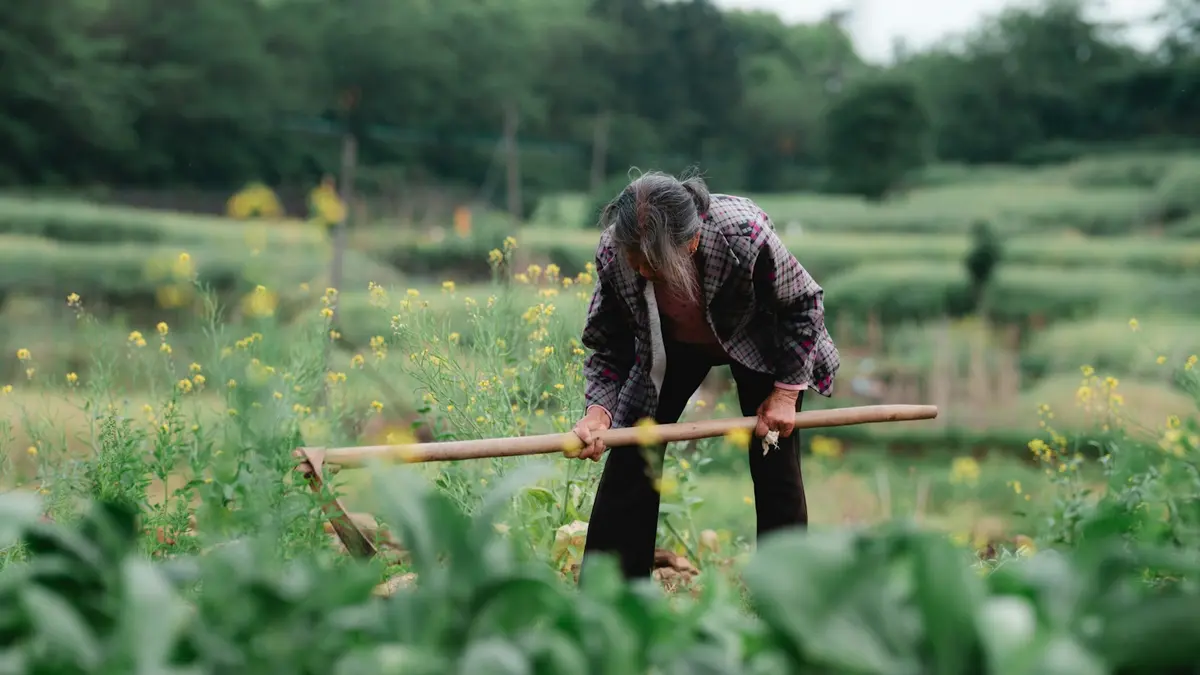
A draw hoe has a solid blade set roughly at a right angle to the handle. You generally pull the blade toward yourself, using a controlled chopping or dragging motion. It is often called a paddle hoe, field hoe, or standard garden hoe.
Choose a draw hoe when you need to:
- Weed around plant bases, bed margins, and irregular spaces
- Cut through light crusting or break small clods
- Pull soil into rows or hill soil around plants
- Open shallow furrows for seeds or irrigation
- Work in a bed where weeds vary in size
A draw hoe is usually the most versatile single hoe for a small home garden. It can weed, cultivate, shape soil, and edge beds, while a stirrup hoe is mainly a surface weeder. Spear & Jackson similarly distinguishes draw hoes as multipurpose tools for weeding, furrowing, and hilling.
The trade-off is speed. A draw hoe normally works on the pull stroke and requires more deliberate placement than a two-way stirrup hoe. It can also damage plants if you swing too aggressively in a crowded bed.
Source: Unsplash
Scuffle hoe: best for quick shallow passes
A scuffle hoe has a blade arranged to skim below the soil surface. Unlike a draw hoe, it is designed for a sweeping push, pull, or back-and-forth action rather than chopping downward. Some scuffle hoes have a solid flat blade; others have a loop-shaped head.
Choose a scuffle hoe when you have:
- Very young weeds spread across an open bed
- Loose, cultivated soil
- Wide rows or bare paths between crops
- A preference for standing upright and making long, light strokes
The main benefit is speed. A scuffle hoe cuts weed stems and fine roots without turning over much soil. However, it is less useful for furrowing, hilling, breaking clods, or removing large rooted weeds. It also needs room to travel, so it is not the best first choice in a densely planted flower border or between closely spaced seedlings.
Stirrup hoe: best for open beds and push-pull weeding
A stirrup hoe, also called a loop, action, hula, or oscillating hoe, is a type of scuffle hoe with an open loop blade. Many models have a pivoting head that cuts on both the forward and backward stroke.
Choose a stirrup hoe if you want to:
- Clear many tiny weeds quickly
- Weed broad vegetable beds or paths from a standing position
- Use a short, rhythmic push-pull motion
- Keep soil disturbance shallow
- Work between established plants with adequate spacing
The double-edged action is the reason stirrup hoes can be efficient for repeated maintenance weeding. Gardeners can keep the blade just under the surface and work in both directions instead of resetting the tool after each stroke. BBC Gardeners’ World describes the pivoting stirrup head as cutting on both push and pull strokes.
Use a narrow stirrup head for rows and spaces between plants. Choose a wider head only for open ground. A wide loop covers more soil per pass but is easier to bump into stems, irrigation lines, or edging.
Dutch hoe: best if you prefer a pushing motion
A Dutch hoe has a broad, forward-facing blade used mainly with a push stroke. It skims just under the soil surface and cuts weeds as you move it away from your body.
Choose a Dutch hoe when you prefer pushing rather than pulling and have a relatively open, prepared bed. It is a straightforward choice for young weeds across larger areas, especially where a long handle lets you work while standing upright. BBC Gardeners’ World describes the Dutch hoe as a common, easy-to-use style for severing weeds just below the surface.
Like a scuffle hoe, it is not a good tool for digging, making substantial furrows, or prying out mature weeds. Its broad blade also makes it less suitable for tight planting schemes.
Japanese weeding hoe: choose by head shape, not the name alone
Japanese weeding hoe is a broad retail label rather than one single head design. These hoes are often compact and may have a narrow, angled, triangular, or rectangular blade. Some are hand hoes for close work; others have long handles for standing cultivation.
Choose a Japanese-style hoe when you need precision in raised beds, narrow rows, or around individual plants. A narrow blade can reach places where a wide stirrup or Dutch hoe would be risky. It can be especially useful when weeds are close to vegetables, perennials, or shrubs.
Before buying, inspect the working edge and handle length. A narrow, solid blade that pulls soil is closer in use to a small draw hoe. A blade intended to slide flat under the soil acts more like a scuffle hoe. Do not assume two tools will work alike simply because both are labeled Japanese hoes.
Match blade width to bed spacing
Blade width matters as much as hoe type. A too-wide hoe is fast in empty soil but awkward and risky around plants. A narrow hoe is slower in open ground but easier to control.
Choose a narrow blade when
- Plants are closely spaced
- You are weeding beside stems or drip lines
- The bed has curves, corners, or permanent edging
- You grow in raised beds with intensive spacing
- You need to remove weeds selectively rather than clear an entire surface
Choose a wider blade when
- Rows have generous spacing
- You are maintaining broad bare paths
- The bed was recently prepared and has mostly seedling weeds
- You can make uninterrupted strokes without hitting crops
For dense borders and seedlings, a lightweight, well-balanced hoe with a smaller blade is easier to maneuver without hitting plant stems. For bare soil and larger plots, a wider blade can cover ground faster. BBC Gardeners’ World makes the same narrow-versus-wide distinction for close planting and open areas.
Pick the motion that feels natural
Your preferred working motion is a practical buying factor, not a minor detail.
- Pull toward you: Choose a draw hoe. This motion provides deliberate control and makes it easier to pull soil where you want it.
- Push away from you: Choose a Dutch hoe. This can feel natural for broad, forward-facing passes across open soil.
- Push and pull: Choose a stirrup or oscillating scuffle hoe. It is efficient for regular surface-weeding sessions because both directions can cut.
If possible, hold the hoe before buying. The handle should let you stand mostly upright without forcing you to hunch, overreach, or lift your shoulders. A long handle reduces bending in open beds, but a shorter or hand hoe can be more manageable in raised beds and cramped spaces.
A quick selection chart
| Your garden situation | Better hoe choice | Why |
|---|---|---|
| Tiny weeds in wide, loose vegetable beds | Stirrup or scuffle hoe | Fast, shallow cutting with minimal soil disturbance |
| Dense planting around established flowers or vegetables | Narrow draw hoe or narrow Japanese-style hoe | Better placement and control near stems |
| Need to weed, make furrows, and pull soil into rows | Draw hoe | More versatile than a surface-weeding hoe |
| Open bed where you prefer pushing | Dutch hoe | Broad blade slices just below the surface on a push stroke |
| Crusted soil, light clods, or mixed weed sizes | Draw hoe | Can chop and cultivate as well as weed |
| Mature weeds with deep roots | Hand weeder, fork, or digging tool | A hoe may only cut the top growth |
Use the hoe without damaging plants
Keep the blade shallow: usually just deep enough to sever the weeds. Deep chopping wastes effort, disturbs more soil, and increases the chance of cutting crop roots.
Work slowly near plants. Keep a small unhoed zone immediately around delicate stems, then remove weeds there by hand or with a small hand hoe. A wide blade can cover open soil quickly, but it should not be forced into spaces it cannot safely fit.
After hoeing, leave severed annual weeds on the soil surface only when they are unlikely to reroot and conditions are dry enough for them to desiccate. Collect weeds that have flowers, seeds, or persistent roots rather than spreading them around the bed.
Keep the blade sharp
A sharp hoe slices through fine weeds with less force than a dull one. Clean soil and plant residue from the blade after use, dry the metal, and periodically restore the existing bevel with an appropriate file or sharpening tool. Follow the tool maker’s current care instructions for the specific blade material and edge shape.
Do not turn a light scuffle hoe into a digging tool. Use a draw hoe for modest soil shaping, and use a spade, fork, mattock, or other digging tool for compacted ground and heavy roots. For related soil-tool choices, see garden fork vs. spade for compacted soil.
Bottom line
Buy a draw hoe if you want one versatile tool for controlled weeding, soil shaping, and light cultivation. Buy a stirrup or scuffle hoe if your priority is fast, repeated removal of small weeds in open beds. Choose a Dutch hoe if you prefer a push stroke, and choose a narrow Japanese-style or hand hoe for precision in closely planted areas.
The most effective hoe is the one whose blade fits between your plants, whose motion you can use comfortably, and whose purpose matches the weed stage. For routine maintenance, hoe early and shallow rather than waiting for weeds to become a digging job.
References
- What Is a Hoe Used For? Garden Hoe Types and Uses. (n.d.). https://spearheadspade.com/blogs/garden-guides/garden-hoe-types-and-uses
- Choosing the correct style of garden hoe for each job | Gardening 101 | Gardening Australia. (n.d.). https://www.youtube.com/watch?v=u2EtDAKlyyg
- The best garden hoes in 2023 | BBC Gardeners World Magazine. (n.d.). https://www.gardenersworld.com/reviews/tools/best-garden-hoes-reviews
- Selecting the Correct Garden Tool for the Job! | Yard and Garden. (n.d.). https://yardandgarden.extension.iastate.edu/article/1992/3-18-1992/tools.html
- Hoes, Picks, and Cultivators: Picking the Right Hand Tool for Montana Soil. (n.d.). https://www.westernbuildingcenter.com/browse/landscape/commodity-hoes-picks-cultivato
- Why the Stirrup Hoe is one of the Best Gardening Tools. (n.d.). https://www.youtube.com/watch?v=iv413aZneic
- Hoemanship - Favorite type of Hoe? (gear forum at permies). (n.d.). https://permies.com/t/361706/Hoemanship-Favorite-type-Hoe
- This $28 Garden Tool Cut My Weeding Time in Half | Reviews by Wirecutter. (n.d.). https://www.nytimes.com/wirecutter/reviews/garden-weeding-tool-stirrup-hoe
- Types of Garden Hoes - The Home Depot. (n.d.). https://www.homedepot.com/c/ab/types-of-garden-hoes/9ba683603be9fa5395fab901789d38ab
- Garden Hoe Guide: 6 Types Every Gardener Should Know. (n.d.). https://seedrove.com/garden-hoe-guide
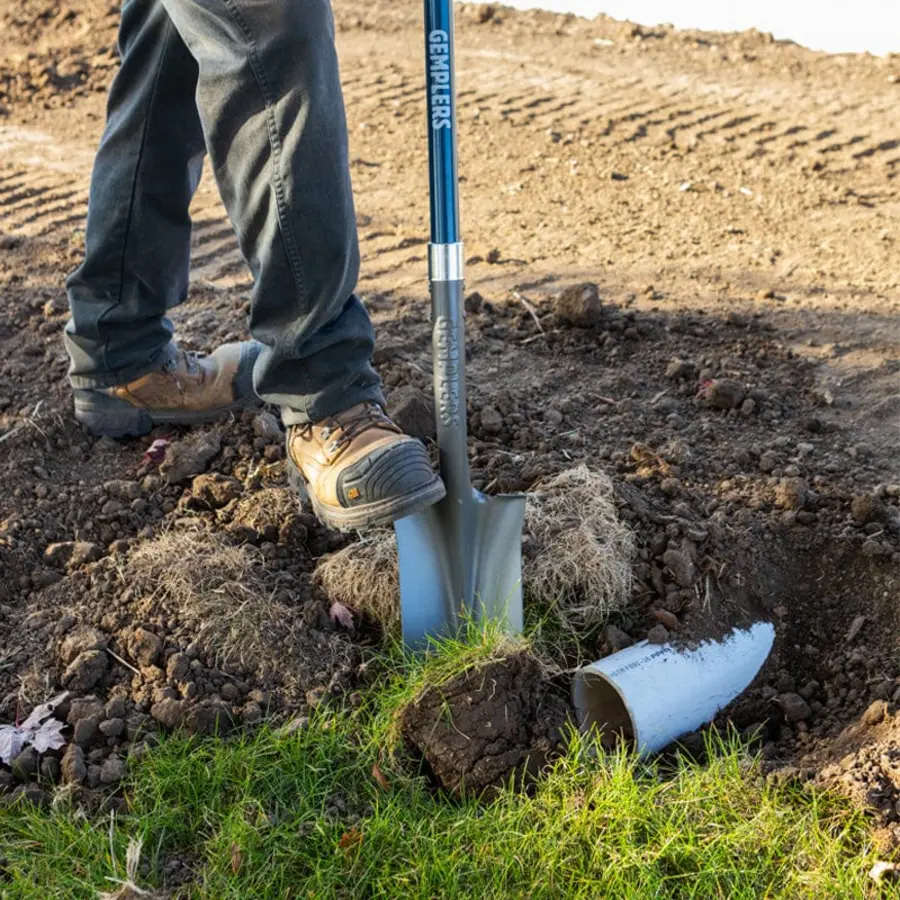 Drain Spade vs. Shovel: Which Tool Works Better for Transplanting and Narrow Digging?
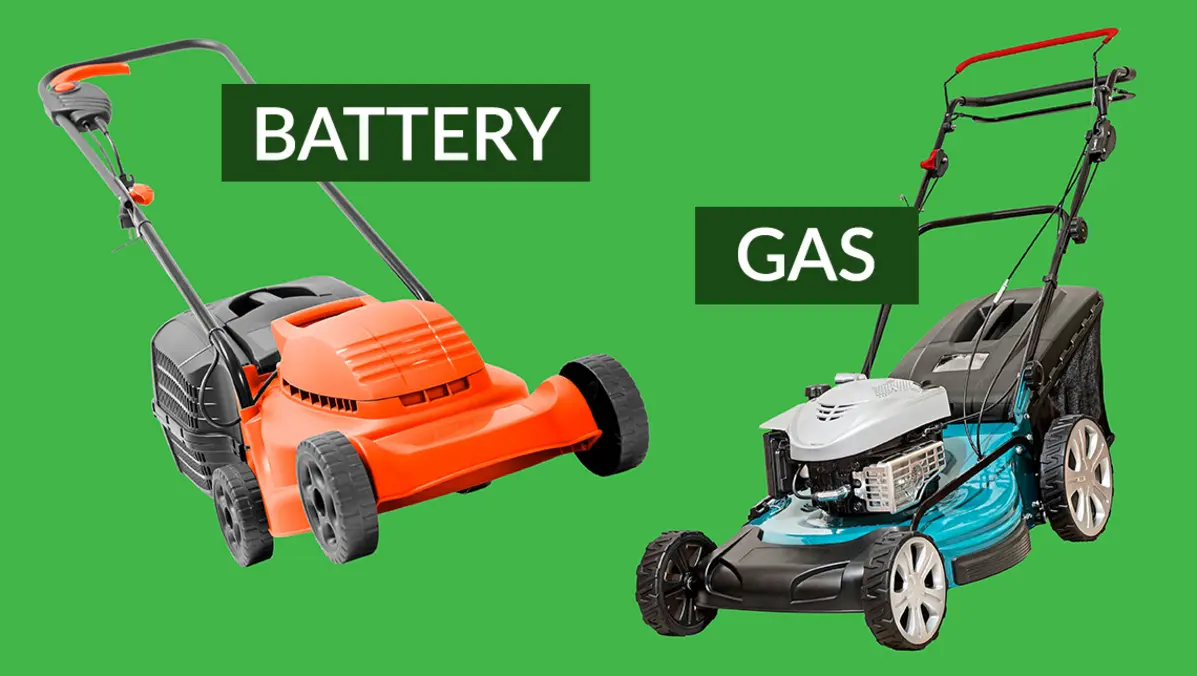 Battery vs. Gas Push Mowers: Choose by Yard Size, Grass, Terrain, and Storage
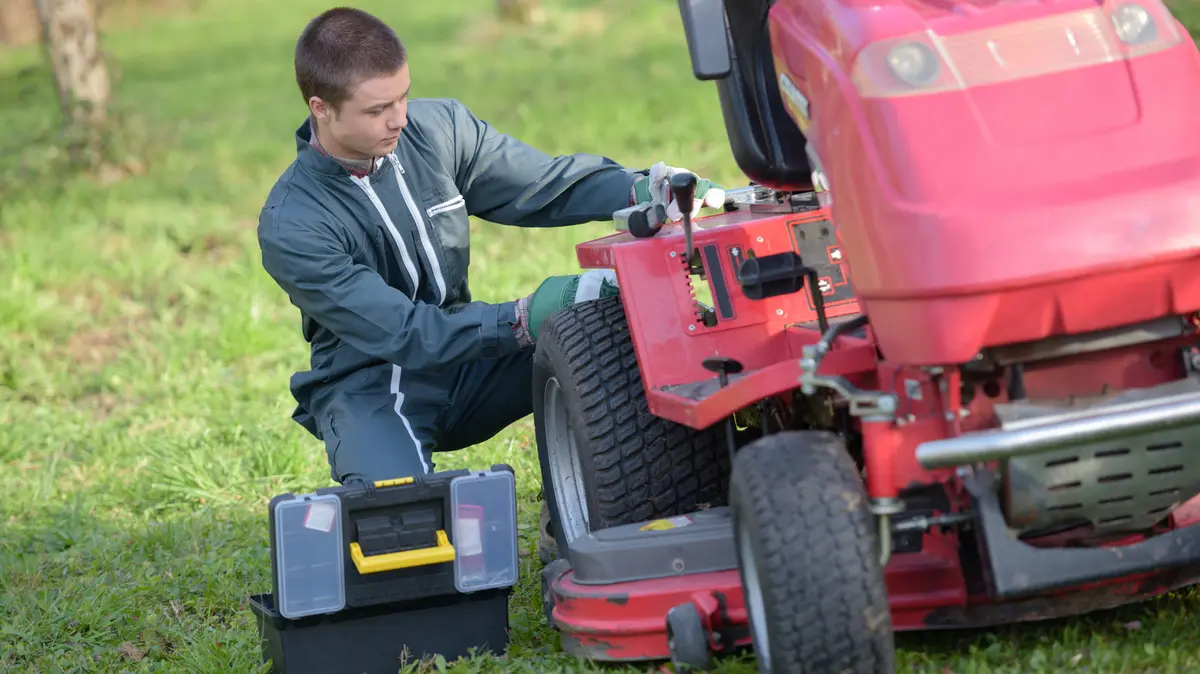 How to Inspect a Used Riding Lawn Mower Before You Buy