Choose a circular saw blade in this order: first confirm that it fits and is approved for your saw; then match it to the material; finally, choose tooth count based on whether you need fast cutting or a cleaner edge. For ordinary construction lumber, a 24-tooth framing or general-purpose blade is a practical starting point. For cleaner crosscuts and sheet goods, move to a higher tooth count—often around 40 teeth for general crosscutting and around 60 teeth for veneered plywood.
The simple rule is that fewer teeth usually cut faster but leave a rougher edge, while more teeth usually cut more slowly and leave a smoother edge. That rule is useful, but it does not override compatibility or the blade’s stated material rating. A blade must have the correct diameter, arbor opening, maximum RPM rating, and intended use for your saw and workpiece.
Start With Saw and Blade Compatibility
Do not buy by tooth count alone. Remove the battery or unplug the saw, then check its current manual and the markings on the existing blade. Confirm the following before installing a replacement.
Diameter
Use the blade diameter specified for the saw. Handheld circular saws commonly use 6 1/2-inch or 7 1/4-inch blades, but the correct size is the one listed by the manufacturer. Never install a larger blade in an attempt to gain cutting depth; it may not clear the guard or fit the saw correctly. Wood Magazine’s blade overview also notes that a saw is designed around a particular blade size.
Arbor Size and Blade Mounting
The arbor hole must fit the saw’s arbor as specified in the manual. Some blades and saws also use drive-pin holes or other mounting features. Do not enlarge an arbor hole, drill mounting holes into a blade, stack blades, or improvise adapters unless the saw manufacturer specifically approves that setup.
Maximum RPM Rating
The blade’s printed maximum RPM must be at least as high as the no-load RPM specified for the saw. If the blade has no legible speed rating, is damaged, or does not match the saw’s mounting requirements, do not use it. Check the current saw manual and blade manufacturer’s documentation for the applicable ratings.
Kerf and Plate Thickness
Kerf is the width of material removed by the blade. A full-kerf blade makes a wider cut; a thin-kerf blade removes less material. Either can be appropriate when it is compatible with the saw, but the blade must run freely in the guard and suit the work. Follow the saw manual if it specifies allowable blade thicknesses or limitations for particular blade styles.
Understand What Tooth Count Changes
Tooth count affects the size of the gullets—the spaces between teeth—and how aggressively a blade removes material.
- Low tooth count: Larger gullets clear chips efficiently. The blade feeds quickly and is useful when edge quality is not important.
- Medium tooth count: A compromise between cutting speed and finish quality. This is often the most useful choice for mixed household projects.
- High tooth count: Smaller bites per tooth can leave a cleaner edge in plywood, veneer, trim, and other materials where splintering matters.
For portable circular saws, one common guideline is roughly 10 to 12 teeth for dedicated ripping, about 40 teeth for crosscutting, and about 60 teeth for veneered plywood. These are application guidelines, not universal requirements; blade geometry and the material being cut still matter. Wood Magazine’s circular-saw blade basics gives these portable-saw examples.
Choose the Blade Type for the Job
Framing and Rip Blades
Use a low-tooth-count blade when ripping solid lumber with the grain, cutting framing stock, decking, or rough construction material. These blades typically have deep gullets to move chips out of a long cut and are intended to prioritize feed speed over a furniture-ready edge.
A 20- to 30-tooth blade is a common framing and ripping range. POWERTEC’s blade-type guide describes ripping blades as low-tooth-count blades intended for fast cuts along the grain.
Choose this type when:
- You are cutting dimensional lumber for framing or outdoor projects.
- The cut edge will be hidden, covered, or cleaned up later.
- You need to make repeated long cuts efficiently.
Avoid expecting a clean plywood edge from a framing blade. It can cut plywood, but splintering and a rougher edge are more likely.
Crosscut and Finish Blades
Use a higher-tooth-count blade when cutting across wood grain or when the visible edge matters. A 40-tooth blade is a useful crosscutting choice for many 7 1/4-inch circular saws, while higher counts are often better for fine trim and thin sheet goods.
Choose a crosscut or finish blade when:
- You are cutting boards to length for visible work.
- You want cleaner ends on solid lumber.
- You are cutting trim, shelving, or project parts that will not be heavily reworked.
A finish blade is not automatically better for every cut. In thick lumber or long rips, its smaller gullets can clear waste less aggressively than a low-tooth-count ripping blade. Slow down and let the blade cut; forcing a saw is unsafe and can overheat or damage the blade.
General-Purpose or Combination Blades
A general-purpose blade is the practical one-blade answer for a DIYer who alternates between ripping boards, crosscutting lumber, and cutting occasional sheet goods. On a 7 1/4-inch handheld saw, this often means a blade in the mid-tooth-count range, commonly around 24 to 40 teeth depending on how strongly it is oriented toward framing or finish work.
Choose a general-purpose blade when:
- You do not want to change blades between ordinary wood-cutting tasks.
- Your projects include both construction lumber and basic plywood cuts.
- You value reasonable speed and acceptable cut quality over specialization.
It will not match a dedicated rip blade in fast, heavy ripping or a dedicated plywood blade in clean veneered edges. That is the tradeoff for convenience.
Plywood and Veneer Blades
For plywood, cabinet panels, melamine-faced boards, and veneered sheet goods, choose a high-tooth-count blade labeled for plywood, finish work, or panel cutting. A 60-tooth blade is a common choice for a 7 1/4-inch portable saw when minimizing chipping matters.
Look for a blade specifically labeled for the sheet material you are cutting, especially if it has a veneer, laminate, melamine surface, or brittle coating. Higher tooth count helps, but it cannot eliminate tear-out by itself. Support the sheet well, use a straight cutting guide, and keep the blade sharp. For setup methods that further reduce splintering, see how to prevent circular saw tear-out.
Material-Specific Blades
Do not use a wood blade simply because it fits the saw. Metal, fiber-cement board, masonry products, plastics, laminate, and composite decking may require blades designed and labeled for that material.
Material-specific blades may use different tooth geometry or abrasive, carbide, or diamond cutting edges. The appropriate blade depends on the material and the saw manufacturer’s approved applications. For example, fiber-cement cutting creates hazardous dust concerns, so consult the board manufacturer’s instructions, the saw manual, and current official safety guidance before cutting.
Tooth Shape Matters Too
Tooth count is easy to see, but tooth geometry is part of the blade’s purpose.
- Flat-top grind teeth are commonly used on ripping blades because they remove material aggressively.
- Alternating-top-bevel teeth are commonly used for cleaner cuts in wood and plywood.
- Specialized grinds may be used for laminate, nonferrous metal, plastics, or abrasive sheet materials.
You do not need to memorize every grind pattern to buy a useful blade. Read the blade label: a reputable blade identifies its intended material and use. If the package only gives tooth count and does not state what it is designed to cut, choose a blade with clearer application information instead.
Quick Blade Choices by Project
Building a Wall, Deck, or Utility Shelf
Choose a 24-tooth framing or rip-oriented blade. It is fast in construction lumber and suitable when the edge will not be a finish surface.
Cutting Studs, 2x Material, and Occasional Plywood
Choose a 24- to 40-tooth general-purpose blade. A lower count favors speed in lumber; a higher count gives more acceptable sheet-good edges.
Cutting Plywood for Cabinets, Shelves, or Painted Furniture
Choose a 60-tooth plywood or finish blade if it is available in the correct size and mounting configuration for your saw. Use a guide and support the panel on both sides of the cut.
Cutting Trim or Visible Solid-Wood Parts
Choose a 40-tooth or higher finish-oriented wood blade. Make a test cut in scrap first, particularly if the board has a delicate veneer or a finish that can chip.
Cutting Non-Wood Material
Use only a blade labeled for that exact material and approved for use with the saw. Check both manufacturers’ current instructions. If the material is not listed as an approved use for the saw, use a more appropriate tool rather than trying to adapt a wood-cutting setup.
When a New Blade Will Not Fix the Problem
A higher tooth count cannot correct a dull blade, a warped blade, poor work support, or a binding cut. Replace or stop using a blade that is cracked, bent, visibly damaged, missing teeth, or excessively dirty. A sharp, undamaged blade is safer and cuts more predictably than a dull or damaged one. The Canadian Centre for Occupational Health and Safety advises checking blades for damage and not using blades that are damaged, warped, or bent. See its circular-saw safety guidance.
If a cut burns, stalls, wanders, or binds, stop and investigate rather than pushing harder. The issue may be the blade, but it can also be a pinched kerf, a warped board, inadequate support, or a guide that is not parallel to the cut.
Safe Blade Changes and First Cuts
Disconnect power before changing a blade: unplug a corded saw or remove the battery from a cordless saw. Confirm that the lower guard moves freely and returns fully before operating the saw. Inspect the blade, mounting hardware, and guard each time you install a blade.
Set cutting depth according to the current saw manual. CCOHS advises setting depth so the lowest tooth extends no more than about 1/8 inch below the wood, and it advises securing the stock, using two hands, standing to the side to avoid kickback, and not forcing the cut. Its circular-saw safety checklist also calls for eye protection and appropriate hearing and respiratory protection where needed.
Before cutting finished material, make a test cut in scrap. Check the cut edge, feed feel, and whether the saw is clearing chips normally. That small test is often the fastest way to learn whether your general-purpose blade is adequate or whether the job calls for a dedicated plywood, rip, or material-specific blade.
Bottom Line
For one replacement blade, choose a correctly sized, correctly rated general-purpose carbide-tipped wood blade that fits your saw and suits the work you do most often. Add a low-tooth-count framing blade if you frequently rip construction lumber, or a high-tooth-count plywood blade if clean sheet-good cuts matter.
Always make compatibility the first decision. A blade’s diameter, arbor fit, mounting features, maximum RPM rating, kerf, guard clearance, and approved material use must match the saw manual before tooth count and finish quality enter the conversation.
References
- Choosing the Right Circular Saw Blade for Your Project | Toolstoday. (n.d.). https://toolstoday.com/learn/circular-saw-blade
- Circular-saw-blade Basics. (n.d.). https://www.woodmagazine.com/tool-reviews/circular-saws/circular-saw-blade-basics
- Choosing the Right Circular Saw Blade for Your Woodworking Project - SawBlade.com Blog. (n.d.). https://sawbladeblog.com/choosing-the-right-circular-saw-blade-for-your-woodworking-project
- Types of Circular Saw Blades & When to Use Each - POWERTEC. (n.d.). https://powertecproducts.com/blog/types-of-circular-saw-blades-when-to-use-each
- A Guide to Circular Saw Blades | The Woodhaven II. (n.d.). https://www.thewoodhaven2.co.uk/threads/a-guide-to-circular-saw-blades.5266
- Choosing a circular saw blade for woodworking can be …. (n.d.). https://www.facebook.com/groups/woodworkingforbeginner/posts/2669580143196594
- CCOHS: Powered Hand Tools - Saws - Circular. (n.d.). https://www.ccohs.ca/oshanswers/safety_haz/power_tools/saw_circ.html
- Looking for some educating regarding circular saw blades. (n.d.). https://www.reddit.com/r/DIY/comments/lmqq8y/looking_for_some_educating_regarding_circular_saw
- Circular Saw Blade Teeth Guide. (n.d.). https://www.konetool.com/circular-saw-blade-teeth-guide
- Circular Saw Blades Guide: Blade Types, Sizes & More. (n.d.). https://www.lowes.com/n/buying-guide/circular-saw-blade-buying-guide
 How to Reduce Tear-Out With a Circular Saw
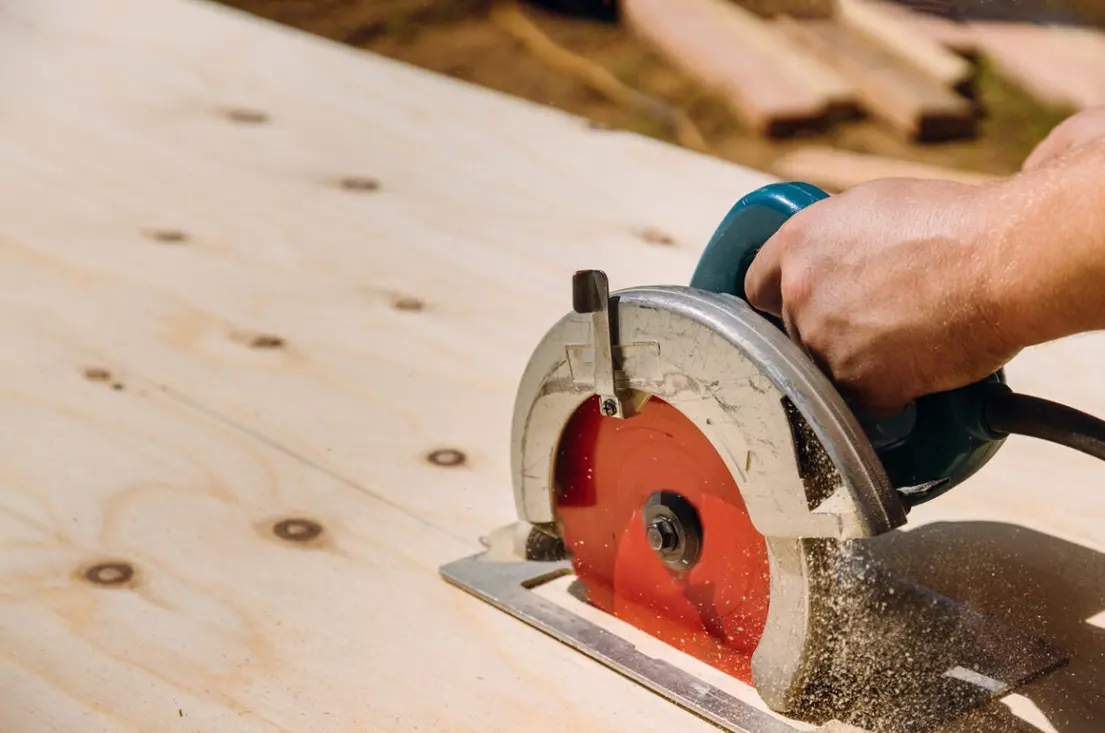
 Why a Circular Saw Burns Wood: Causes, Checks, and Fixes
 Why a Circular Saw Blade Deflects During a Cut and How to Troubleshoot It