Clean loose grass and debris from your lawn mower after every mow or whenever buildup is visible. Give the deck, discharge area, wheels, and exterior a more thorough cleaning every few mows, and inspect the machine regularly during the season. Then complete a larger service check before the mowing season and before long-term storage.
The exact schedule depends on your mower, mowing conditions, and hours of use. Wet grass, dusty ground, large lawns, and frequent mowing call for more attention than a small dry lawn. Your operator’s manual is the final word for service intervals, cleaning methods, lubrication points, engine care, and battery storage.
A practical lawn mower cleaning schedule
After each mow
Remove loose grass from the deck, discharge chute, wheels, handles, and visible cooling or air-intake areas. A brush, cloth, or plastic scraper is usually enough when clippings are dry.
Look for packed wet grass under the deck. It is worth removing promptly because it can trap moisture and interfere with normal airflow and discharge. Also check for obvious loose hardware, damaged guards, leaks, unusual vibration, or a blade that appears damaged.
Before working around the deck or blade area, shut the mower off and isolate its power source using the procedure in the current manual. For a gas mower, a battery mower, corded mower, riding mower, or robotic mower, that procedure is not necessarily the same.
Every two to three mows, or when buildup is heavy
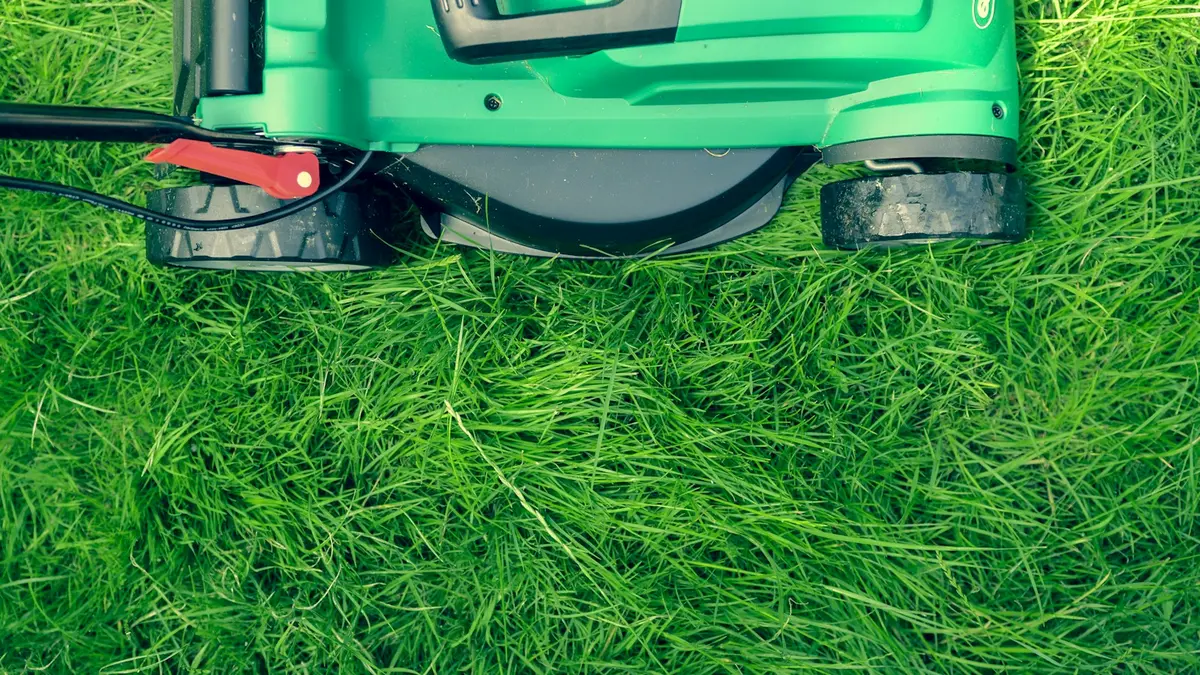
Clean the underside of the deck more thoroughly. Scrape off hardened grass and dirt without aggressively gouging painted or coated surfaces. Inspect the blade for dull edges, bends, cracks, or other damage, but follow the manual before removing, sharpening, or replacing it.
Source: Unsplash
This is also a good time to check that the wheels roll freely and that the discharge path is clear. On riding and zero-turn mowers, inspect areas such as deck belts, pulleys, caster wheels, and cooling screens as directed by the manufacturer.
Monthly during mowing season
Perform a broader walk-around inspection. Check the mower’s exterior for corrosion, damaged controls, worn cables, loose fasteners, tire condition where applicable, and debris around vents or cooling fins.
For gas mowers, check the engine oil level and condition according to the engine and mower manuals. Inspect the air filter and fuel system as specified. Do not use a generic calendar interval in place of an hour-based service interval when your manual provides one.
For battery mowers, inspect the battery compartment and terminals for dirt, moisture, or visible damage. Use only the cleaning and storage methods specified by the mower and battery manufacturer. Do not assume a battery, charger, or connector is water-resistant unless the documentation says so.
What to do at the start of the season
Before the first mow, clean the mower, inspect the deck and blade, and confirm that controls and safety features operate as described in the manual. Check for damage that may have developed in storage, including corrosion, rodent damage, cracked plastic parts, deteriorated fuel lines, or frayed cords.
Gas mower preseason work commonly includes checking oil, inspecting or replacing the air filter when needed, examining the spark plug, and addressing old fuel according to the manufacturer’s instructions. Many manufacturers also specify blade inspection, belt inspection on equipped models, and lubrication of designated points.
Battery mower preseason work should include examining the battery, charger, terminals, and wiring for visible damage. If anything appears swollen, cracked, overheated, or otherwise damaged, stop and follow the manufacturer’s support instructions rather than attempting a repair.
What to do before seasonal storage
At the end of the mowing season, remove grass and dirt from the deck, wheels, and exterior before storing the mower. Let the mower dry fully before covering or placing it in storage.
For gas models, follow the manual’s fuel-storage procedure. Depending on the machine, that may involve using fuel stabilizer, draining fuel, or another manufacturer-approved process. Fuel handling and disposal requirements can vary, so check local guidance as well as the mower documentation.
For battery-powered mowers, remove and store the battery only as the manufacturer directs. Battery storage temperature, charge level, and charger use are model-specific. Store the mower and battery in a dry location away from conditions the manufacturer prohibits.
Can you clean a lawn mower too often?
You generally cannot overdo simple debris removal. Brushing away grass after mowing and keeping vents, wheels, and the deck reasonably clear are useful habits.
Problems usually come from the cleaning method, not from cleaning too frequently. Avoid treating the mower like a surface that can be soaked indiscriminately. Water forced into bearings, electrical connectors, air-intake areas, engine components, or battery compartments can create issues. High-pressure washing may be prohibited or limited by the manufacturer.
Use the manual to determine whether a hose, deck-wash fitting, low-pressure rinse, or dry-cleaning method is appropriate for your model. Never clean a hot engine or electrical component with water unless the manufacturer specifically permits that method.
Cleaning by mower type
Gas walk-behind mowers
Clear grass from the deck after use and keep engine cooling areas free of debris. Check oil, air filtration, spark plug condition, and fuel-related items on the manufacturer’s hour-based or seasonal schedule. The correct way to tilt a gas mower varies by engine and mower design, so verify the approved orientation in the manual before accessing the underside.
Corded and battery walk-behind mowers
Use dry cleaning around electrical parts unless the manual explicitly allows another method. Keep the battery compartment, charging contacts, motor vents, and cord connection area clean. Disconnect power and remove the battery when the manual directs before clearing the deck or inspecting the blade area.
Riding and zero-turn mowers
These machines often have more areas that collect debris: deck surfaces, discharge chutes, cooling screens, wheel assemblies, belts, pulleys, and engine compartments. Clean visible buildup after use and follow the operator’s manual for lubrication, tire checks, belt inspections, engine service, and any hydraulic-system maintenance.
Robotic mowers
Clean grass from the underside, wheels, sensors, and charging-contact areas using the approved method for that model. Robotic mower housings, electronics, batteries, and charging stations have model-specific cleaning limits, so do not rely on walk-behind mower cleaning advice.
A simple routine to follow
If you want one easy lawn mower maintenance routine, use this:
- After mowing: clear loose grass and inspect for obvious damage or buildup.
- Every few mows: clean the underside of the deck and inspect blade condition.
- Monthly: inspect key wear areas and perform the checks listed in your manual.
- At the start of the season: complete a full inspection and scheduled service.
- Before storage: clean thoroughly, address fuel or battery storage, and store the mower dry.
A mower does not need a major tune-up after every use. Consistent grass removal, timely inspections, and manufacturer-specified seasonal service are usually more useful than frequent deep washing. If the mower develops strong vibration, poor cutting, starting trouble, smoke, fluid leaks, damaged safety parts, or electrical problems, stop using it and consult the current manual or a qualified service provider.
References
- DIY Lawn Mower Maintenance Guide. (n.d.). https://www.lawnstarter.com/blog/lawn-care-equipment/lawn-mower-maintenance
- Lawn Mower Maintenance - Practical Care Tips. (n.d.). https://sunseekerelite.com/us/blog/lawn-mower-maintenance
- Lawn Mower Maintenance. (n.d.). https://www.trugreen.com/lawn-care-101/blog/lawn-care/essential-guide-lawn-mower-maintenance
- Lawn Mower Maintenance Tips for a Healthy Lawns. (n.d.). https://infolawnmower.com/lawn-mower-maintenance-tips
- Cleaning Your Lawn Mower (Tips.Net). (n.d.). https://gardening.tips.net/T005155_Cleaning_Your_Lawn_Mower.html
- Lawn Mower Maintenance Tips for Long-Term Use - Park Magazine NY. (n.d.). https://parkmagazineny.com/lawn-mower-maintenance-tips-for-long-term-use
- Lawn Mower Maintenance Checklist for Longer Life » World Business Outlook. (n.d.). https://worldbusinessoutlook.com/lawn-mower-maintenance-checklist-for-longer-life
- Spring Lawn Mower Maintenance Tips | Ariens. (n.d.). https://www.ariens.com/en-us/company/blog/274/spring-lawn-mower-maintenance-tips
- Spring Lawn Mower Maintenance Checklist: 10 Steps Before First Mow. (n.d.). https://lawnlove.com/blog/spring-lawn-mower-maintenance
- Zero Turn Lawn Mower Maintenance: Checklist & Service Guide. (n.d.). https://womackfootsteer.com/blog/zero-turn-lawn-mower-maintenance
 Should You Sharpen or Replace Lawn Mower Blades?
 Which Yard Tools Should You Buy First? A Task-Based Priority Guide