If a hedge trimmer starts tearing, stalling, bouncing off a stem, or leaving crushed ends, stop trying to force it through the branch. Use the hedge trimmer for fast shaping of the hedge’s soft outer growth. Use hand pruners for small, selective cuts, loppers for reachable woody stems that fit the tool comfortably, and a pruning saw for thicker, harder, or awkwardly placed branches.
The key question is not simply, “How thick is this branch?” Wood hardness, age, moisture, branch angle, access, and the condition of the cutting tool all matter. A branch that a particular hedge trimmer or lopper can cut on paper may still be a poor candidate if it is old, dry, dense, or embedded deep in the hedge.
Quick tool choice for woody hedge branches
| What you need to do | Best starting tool | Why |
|---|---|---|
| Even up fresh outer shoots and create a uniform hedge face | Hedge trimmer | Covers a wide area quickly and produces a consistent outline |
| Remove a small, specific shoot or make a precise cut inside the hedge | Hand pruners | Lets you choose exactly what to remove and where to cut |
| Cut a woody stem beyond hand-pruner capacity | Loppers | Long handles provide leverage and reach |
| Remove a thick, hard, old, or poorly positioned branch | Pruning saw | Cuts progressively without forcing a lopper or trimmer |
| Thin an overgrown hedge from within | Hand pruners, loppers, or pruning saw | Selective removal is better than shearing the outside repeatedly |
Hedge trimmer vs. loppers for branches
A hedge trimmer and loppers can both cut plant material, but they are designed for different jobs.
A hedge trimmer uses reciprocating blades to sweep through many small stems at once. Its strength is speed across a broad surface: leveling new growth, tidying a hedge face, and maintaining a formal outline. It is not a substitute for selective pruning tools when the hedge contains mature wood.
Loppers work one branch at a time. Their long handles give you more leverage than hand pruners and keep your hands farther from the cutting point. They are useful when you can place the jaws squarely around a branch and make a controlled cut without twisting, yanking, or straining.
For a woody hedge branch, choose loppers over a hedge trimmer when:
- The branch is clearly older and woodier than the surrounding shoots.
- You need to remove the branch rather than shorten everything around it.
- The cut must be made deeper inside the hedge.
- A clean, deliberate cut matters more than a uniform exterior surface.
- The hedge trimmer is struggling, chewing, or failing to sever the stem cleanly.
Can a hedge trimmer cut branches?
Yes, many hedge trimmers can cut some branches, but that does not make them the right tool for every branch in a hedge. Their usable capacity varies substantially by model, blade design, battery or power system, branch species, and the condition of the wood.
Treat the branch-cut rating in your current manufacturer manual as a limit, not a target. A stated maximum is not a promise that every branch of that size will cut cleanly. Hard, dry, forked, or flexible wood can be more difficult than a larger green stem of a softer species.
Do not use a hedge trimmer as though it were a pruning saw. Repeatedly attacking a stem, levering the blades against it, or forcing the tool through resistant wood can damage the blades, drive system, or plant tissue. It can also leave a ragged wound that is less suitable for a selective pruning cut.
What a hedge trimmer does well
A hedge trimmer is usually the best choice for:
- Soft new hedge growth.
- Small twiggy shoots across the outer surface.
- Routine shaping after selective branch removal.
- Long, straight, or gently curved hedge faces.
- Maintaining a hedge that is already within its intended size.
A long blade helps cover more hedge surface, but it does not automatically make the tool better at cutting thicker woody stems. Blade length affects reach and cutting swath; the manufacturer’s stated cutting capacity and the hedge material determine branch suitability.
Signs you should switch tools
Switch from the hedge trimmer to pruners, loppers, or a saw if you notice:
- The branch is too large to sit properly between the teeth.
- The blades strike the branch but do not sever it promptly.
- The stem bends, twists, or pulls through the hedge instead of cutting.
- The cut looks crushed, split, or torn.
- You need to reach into the plant to remove a single structural branch.
- The branch is positioned where you cannot keep stable control of the trimmer.
When to use hand pruners
Hand pruners are the right first tool for small stems when precision matters. They are particularly useful for removing crossing shoots, dead tips, inward-growing growth, and individual stems that spoil the hedge shape.
For many hedges, selective hand pruning also helps avoid the cycle of repeatedly shearing only the exterior. When all cuts are made at the outer surface, dense new growth can accumulate there while the interior becomes shaded and sparse. Removing selected stems farther back can reduce bulk without simply making the hedge shell denser.
Use pruners only within their intended cutting capacity. If you must use both hands, twist the tool, or repeatedly squeeze without progress, move up to loppers or a pruning saw. For woody live stems, bypass-style pruners are commonly chosen for a cleaner scissor-like cut; verify the intended use and maintenance instructions for your specific tool.
When to use loppers
Loppers bridge the gap between hand pruners and a pruning saw. They are useful for medium woody stems that are accessible enough for the jaws to close squarely around the branch.
Choose loppers when you can:
- Reach the branch without overextending or working from an unstable position.
- Fully open and place the cutting head around the stem.
- Keep the branch near the cutting area recommended by the tool maker.
- Make one controlled cut without twisting the handles.
- Support or manage the branch so it does not tear bark as it falls or bends away.
If a branch is at the very edge of the lopper’s capability, a saw is often the cleaner and easier option. Long handles create leverage, but they also make it easier to apply excessive force. Forcing loppers through wood can crush the branch, damage the cutting edge, or cause the handles to shift unexpectedly.
Bypass vs. anvil loppers
The cutting style matters. Bypass loppers pass a curved blade by a counterblade, much like scissors, and are generally suited to live green wood where a clean cut is the priority. Anvil loppers bring a blade down onto a flat surface and are often used for dry or dead material.
Use the tool type according to its manufacturer instructions and the condition of the branch. If you are cutting live hedge stems and want to preserve healthy tissue around the cut, avoid using a dull or poorly matched tool that crushes rather than slices.
When to use a pruning saw
Use a pruning saw when the branch is too thick, hard, or awkward for loppers, or when you cannot position loppers for a square, controlled cut. A pruning saw is also the practical choice for removing an old branch low in the hedge or a stem emerging from a crowded interior.
A saw cuts with repeated strokes rather than a single high-force squeeze. That makes it better suited to substantial wood, but it requires patience and control.
A pruning saw is usually the better option when:
- The lopper jaws will not fit fully around the branch.
- The branch is too hard to cut without excessive force.
- The stem is too close to another branch, fence, wall, or trunk for lopper handles to operate freely.
- The branch is large enough that its weight may tear bark as the cut finishes.
- You need to remove a branch at its point of origin rather than shorten its tip.
For heavier branches, consider the order of cuts before starting. A partial relief cut in an appropriate location can help prevent the branch from splitting or stripping bark as its weight transfers. Exact cutting method depends on the plant, branch size, and access. If you are unsure, consult local extension guidance or a qualified arborist, especially around large branches, tall hedges, or overhead obstructions.
Choose by branch condition, not diameter alone
Diameter is useful as a rough planning cue, but it should not be the sole decision rule. The same diameter can feel very different to cut depending on the species and condition of the branch.
Fresh green growth
Fresh shoots are generally the hedge trimmer’s territory. They are flexible, relatively soft, and distributed across the surface. Shearing them encourages a neat exterior, making this approach useful for formal hedges that need regular shaping.
Live woody stems
Older live stems often require pruners or loppers. They may have firm bark and a tough, fibrous structure even when they are not especially large. Selective cuts help retain the hedge’s natural structure and avoid indiscriminate removal of many buds at once.
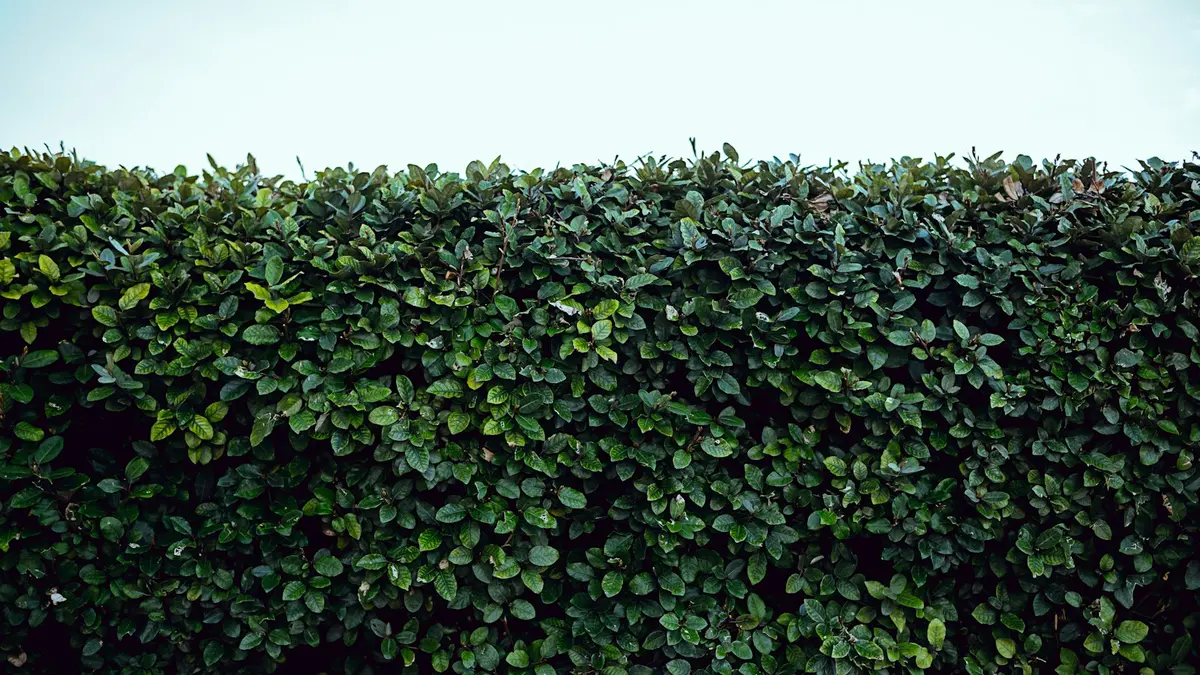
Source: Unsplash
Dry, dead, or brittle wood
Dead wood can snap, crumble, or resist a clean slice. Its behavior is unpredictable: some stems are easy to cut, while others are hard and brittle. Use the tool that gives you control, and inspect the branch for cracks, binding, and surrounding stems before cutting.
Dense or crowded growth
Crowded hedge interiors often make loppers impractical even if the branch itself is not very large. If the handles cannot open and close freely, a pruning saw or hand pruners may be the safer, more precise choice.
A practical sequence for reducing an overgrown hedge
When a hedge has grown beyond routine trimming, do not begin by aggressively shearing the entire outside. First identify the woody stems that are causing the problem.
- Decide whether you are shaping or reducing. Shaping means controlling the outer layer. Reducing means removing selected stems to decrease height, width, or density.
- Remove dead, damaged, rubbing, or badly placed stems first. Use hand pruners, loppers, or a saw as the branch requires.
- Make selective cuts inside the hedge. Remove or shorten individual woody stems to a suitable side branch or point of origin rather than leaving random stubs.
- Step back often. Check the hedge’s overall outline before removing more material.
- Use the hedge trimmer last for surface finishing. Once woody branches are handled, lightly trim fresh outer growth to restore an even appearance.
This sequence protects your hedge trimmer from work better suited to hand tools and keeps you from turning every pruning job into a surface-shearing job.
How to make cleaner cuts on hedge branches
Clean cuts begin with sharp, clean cutting edges. Dull pruners, loppers, and saws require more force and are more likely to crush or tear stems. Hedge-trimmer blades with damaged teeth or accumulated debris may also leave poor results.
For a better cut:
- Match the tool to the branch rather than forcing a marginal tool.
- Cut one branch at a time when working on woody interior stems.
- Position lopper jaws squarely and avoid twisting during the cut.
- Let a pruning saw do the cutting; do not bend the blade sideways to speed the cut.
- Avoid leaving long stubs when selectively removing a branch.
- Keep cutting tools clean, sharp, and maintained according to their manuals.
For seasonal upkeep, see how to maintain pruners and loppers.
Avoid damaging hedge-trimmer blades
A hedge trimmer’s blades are meant to reciprocate past each other and sever relatively small material between their teeth. Thick branches, wire hidden in a hedge, stones, and other hard obstructions can damage cutting teeth or internal components.
Before trimming, inspect the hedge for old stakes, fencing, wire, irrigation parts, and concealed debris. If you find a woody branch that exceeds your trimmer’s stated capacity or does not cut cleanly, leave it for loppers or a saw.
After trimming, follow the current manufacturer instructions for disconnecting or disabling the tool before inspection, cleaning, lubrication, blade service, or clearing lodged material. Do not assume procedures are identical across corded, battery, and gas-powered models. Verify the manual for your exact hedge trimmer and follow applicable local safety guidance.
Safety and access considerations
Tool choice is also about access. A branch that is technically within a lopper’s capacity may not be suitable for loppers if you need to stretch, work overhead, stand on unstable ground, or reach through tangled growth to cut it.
Use a tool only where you can keep stable footing and maintain control throughout the cut. For powered hedge trimmers, review the current manufacturer manual for operating limits, inspection steps, protective equipment recommendations, and procedures for clearing jams or servicing blades. For tall hedges, branches near utility lines, or work that requires unstable access, seek qualified local help rather than improvising.
Bottom line
Use a hedge trimmer to shape soft outer growth, not to fight mature hedge wood. Use hand pruners for small, precise cuts; loppers for accessible woody stems that can be cut cleanly without force; and a pruning saw when the branch is thick, hard, crowded, or awkward.
The best tool for woody hedge branches is the one that makes a clean, controlled cut without exceeding its intended capacity. When in doubt, step down from speed to precision: a few deliberate cuts with loppers or a pruning saw are usually better than damaging a hedge trimmer and leaving torn branches behind.
References
- How To Trim Bushes Properly (Why Hand Pruning Beats Hedge Trimmers) - Leaf & Limb. (n.d.). https://www.leaflimb.com/video-hand-pruning-shrubs-faster-cheaper-healthier-than-hedge-trimmers
- When to use loppers and When to use a pruning saw?. (n.d.). https://www.youtube.com/watch?v=coVrcs41Y4E
- Pruning Saw vs Lopper: Which Is Better for Thick Branches?. (n.d.). https://www.gartol.com/blogs/blog/pruning-saw-vs-lopper
- Pruning Tools Guide: Pruners, Loppers & Hedge Shears. (n.d.). https://hollandgreenhouse.ca/blog/pruning-tools
- Are hedge trimmers and extendable anvil loopers useful … - Facebook. (n.d.). https://www.facebook.com/groups/ACGChatter/posts/4066128430282389
- Pruning: When to Use a Lopper vs Pruner vs Shears. (n.d.). https://www.doityourself.com/stry/pruning-when-to-use-a-lopper-vs-pruner-vs-shears
- How to choose a hedge trimmer | BLACK+DECKER®. (n.d.). https://www.blackanddecker.com/blogs/evergreen-faqs/how-to-choose-a-hedge-trimmer
- Hedge Shears Vs Lopper: Which Garden Tool Should You …. (n.d.). https://www.facebook.com/fb-answers/hedge-shears-vs-lopper
- 5 Best Hedge Trimmers of the Year, Expert-Tested and Reviewed - Consumer Reports. (n.d.). https://www.consumerreports.org/home-garden/hedge-trimmers/best-hedge-trimmers-of-the-year-a2051437811
- Loppers vs Hedge Shears- DIY Garden Minute Ep.158 |. (n.d.). https://www.spokengarden.com/158-2
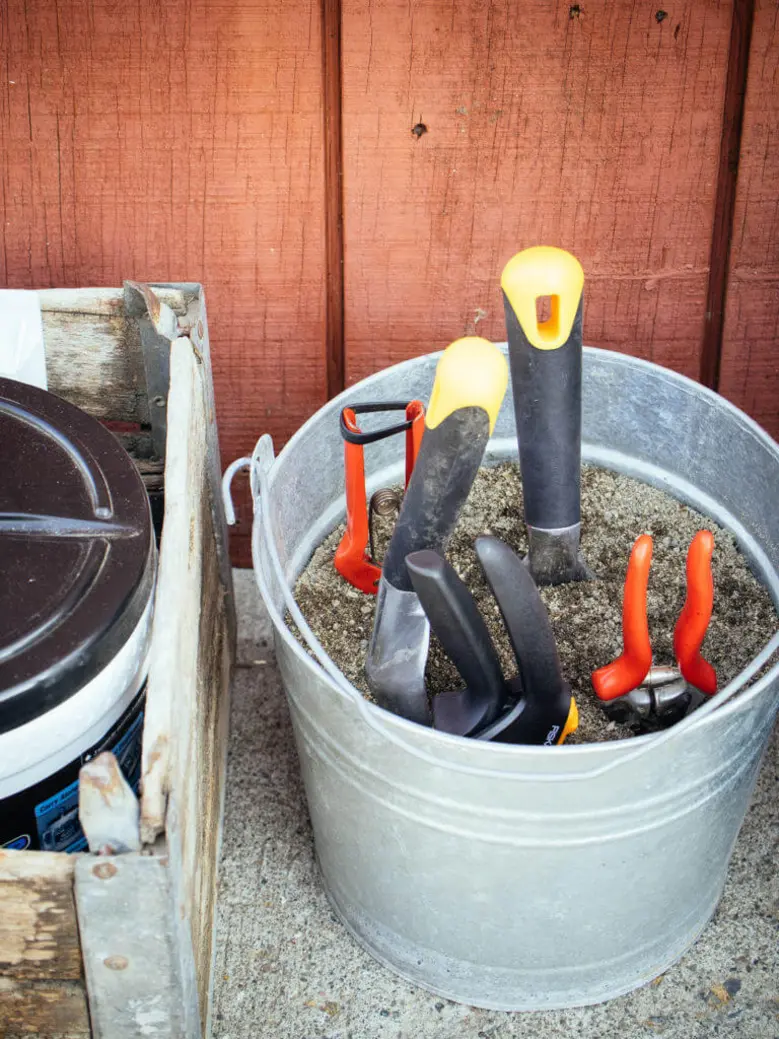 How to Clean, Oil, and Store Pruners and Loppers
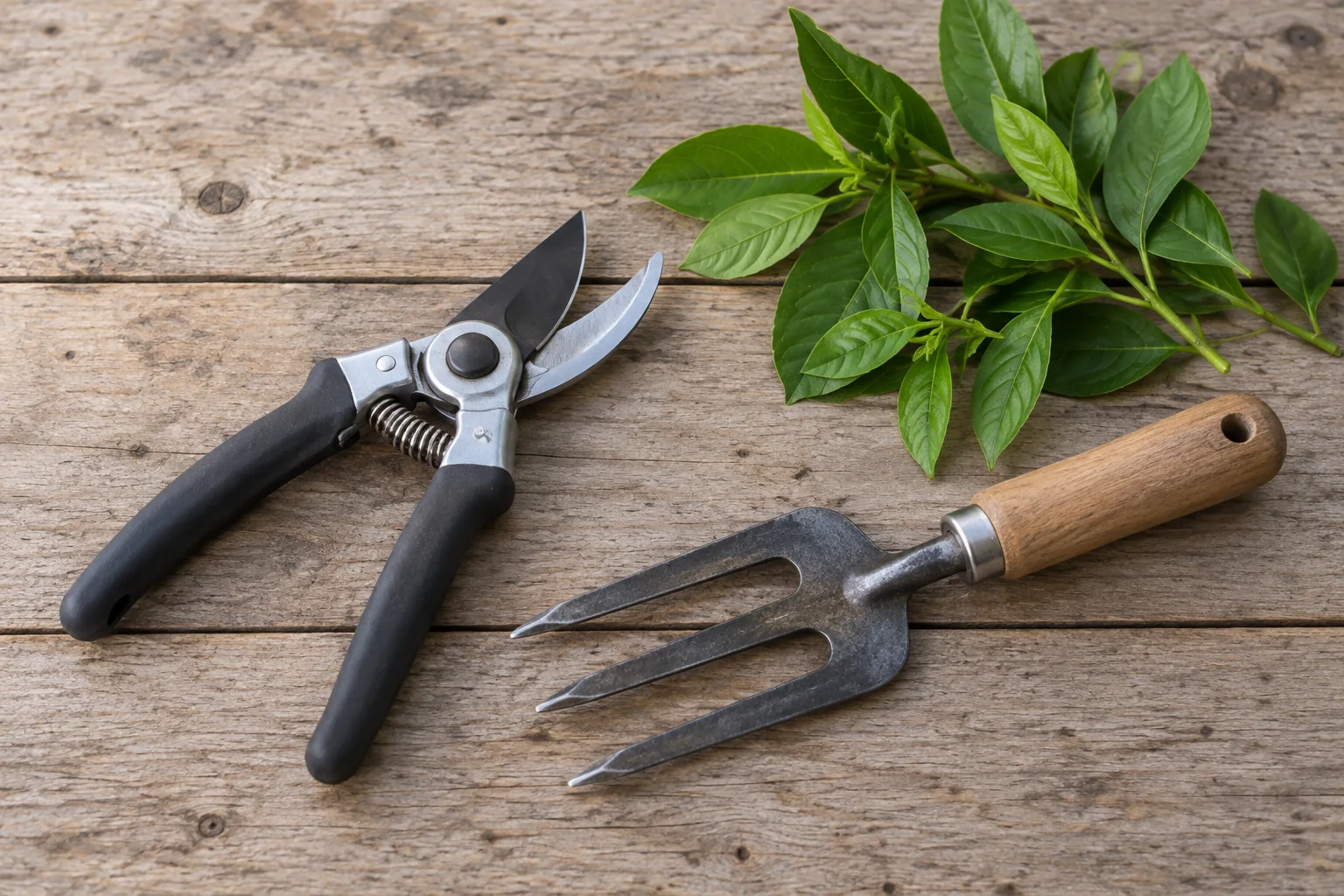 Electric Lawn Mower Maintenance: What Still Needs Attention Besides Charging
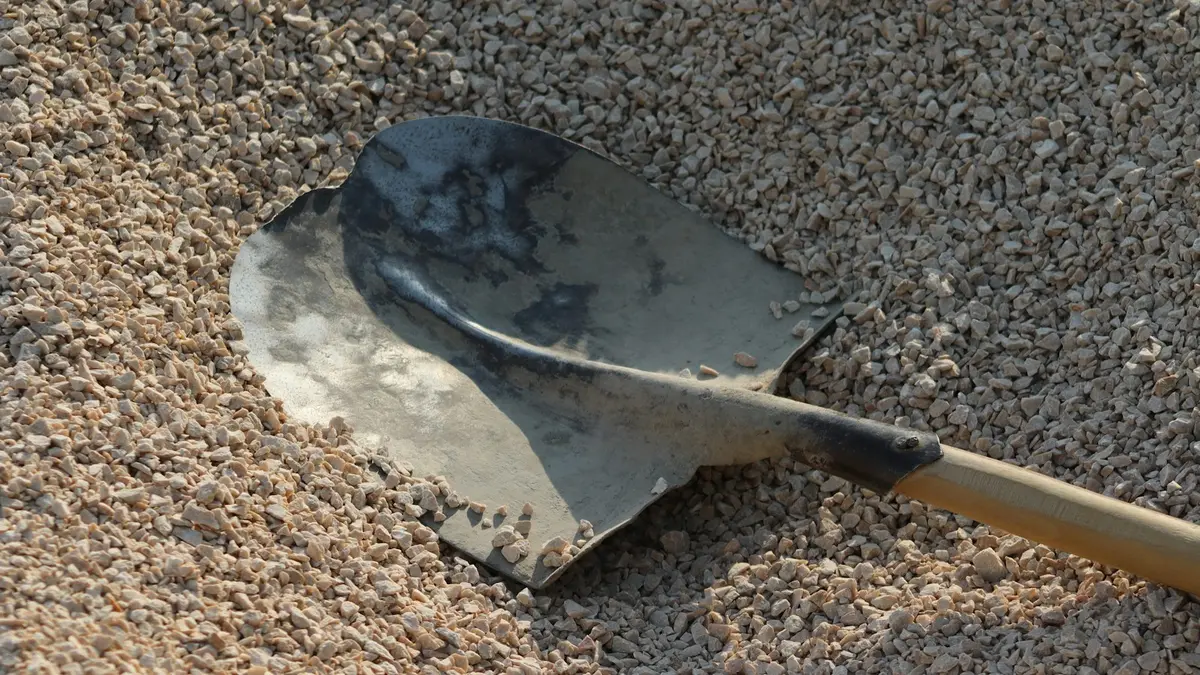 Shovel vs. Spade vs. Trenching Shovel: What to Use for Common Yard Jobs