A drill chuck that will not hold a bit tight usually has one of five causes: the jaws are gripping the wrong part of the bit, debris is blocking the jaws, the bit shank is damaged, the chuck jaws are worn, or the chuck and spindle have excessive runout. Start with the bit and chuck setup before assuming the drill needs repair.
Remove the battery or unplug the drill before inspecting the chuck. Then test with a clean, straight bit of the correct shank size. If several good bits slip or wobble in the same way, the problem is more likely the chuck or the drill behind it than one defective bit.
Check that the chuck is gripping the shank
Open the chuck and inspect how the bit sits before tightening it. The three jaws should clamp the smooth, straight shank—not the flutes, cutting edges, or the transition between the flutes and shank. A jaw that lands partly on an uneven section can feel tight at first but lose its grip under load.
Insert the bit far enough for all three jaws to contact the straight shank. If pushing the bit fully inward causes the jaws to land on the fluted section or prevents the bit from seating squarely, pull it back slightly and retighten.
Also confirm that the shank is within the chuck’s stated capacity. A very small shank may not be gripped properly by a chuck designed for larger bits, while an oversized shank can prevent the jaws from closing correctly. Check the capacity marking on the chuck and the current tool manual if it is unclear.
Tighten the chuck correctly
A keyless chuck needs firm hand tightening according to the drill maker’s instructions. Do not stop at the first resistance; the jaws may not yet be fully seated around the bit. Do not use pliers on the chuck sleeve, since they can damage the sleeve or its locking mechanism.
For a keyed chuck, tighten at every available key position rather than at just one hole. Moving the key around the chuck helps apply jaw pressure more evenly and can improve centering. Always remove the key before reconnecting power. Bestwin Tools explains the difference between keyed and keyless chuck tightening methods.
Clean the jaws and the bit shank
Fine dust, wood chips, metal swarf, lint, and dried residue can lodge between the jaws or behind them. The chuck may appear to close normally while one jaw stops short, leaving the bit off-center or weakly held.
With power disconnected, open the jaws fully and inspect inside with a light. Brush out loose debris and wipe the jaws and bit shank with a clean, dry cloth. Do not apply random oils, silicone sprays, or penetrating fluids inside the chuck unless the drill manufacturer specifically permits that maintenance. Lubricant on the gripping faces can make slippage worse, and excess liquid can carry debris deeper into the mechanism.
After cleaning, install a known-good bit and retest. If the jaws close unevenly, one jaw hangs up, or the chuck will not close down properly, the chuck may have internal damage.
Inspect the drill bit before blaming the chuck
A polished, rounded, bent, undersized, or damaged shank will not give the jaws a reliable surface to grip. This is especially common with bits that have spun repeatedly in the chuck. Look for bright burnished patches, gouges, flat spots, rust, or a visibly bent shank.
Replace a bent or damaged bit rather than repeatedly tightening it. A damaged shank can wobble even when the chuck is secure. Fanttik likewise notes that a bent shank will wobble regardless of how tightly the chuck is tightened.
If a bit has a hex shank, make sure the chuck jaws are centered on the shank and not partly on the shoulder or a damaged corner. If your tool has a 1/4-inch hex quick-change collet rather than a three-jaw chuck, this article does not apply; inspect the collet, retaining ball, and bit detent instead.
Separate slipping from wobble
These symptoms can point to different faults:
- The bit turns inside the chuck: The jaws are not gripping adequately. Improper seating, debris, shank damage, or worn jaws are likely causes.
- The bit stays clamped but visibly circles as it turns: The bit may be bent, or the chuck, spindle, or bearing may have runout.
- The whole chuck stops while the motor continues: The bit may still be secure. That points more toward a clutch, gearbox, or drive problem than a chuck-grip problem.
- The bit moves farther into the chuck during use: The bit may not be seated correctly, the jaws may be slipping, or the shank may be damaged.
To make a basic wobble check, install a known-straight bit and run the drill at low speed while keeping hands and loose clothing away from the rotating bit. Watch the shank from the side. Repeat with another straight bit. Visible wobble with multiple bits suggests a chuck, spindle, or bearing issue rather than a single bad bit. Excessive runout can add changing side load that works against the jaws during rotation. This is also a diagnostic clue identified in the supplied chuck-slippage guidance.
Look for worn or damaged chuck jaws
Chuck jaws wear over time, especially after a bit has slipped repeatedly, the drill has been dropped, or the tool has been used with heavy side pressure. Open the chuck fully and compare the three jaws. They should extend and retract together, have similar-looking gripping faces, and meet symmetrically as the chuck closes.
Signs the chuck is likely worn or damaged include:
- One jaw closes later than the other two.
- The jaws do not meet evenly or appear visibly chipped.
- The chuck sleeve turns but the jaws barely move.
- Several clean, straight bits slip despite correct tightening.
- Bits are consistently off-center in the chuck.
- The chuck has been dropped, cracked, or severely dented.
A worn chuck generally does not become reliable through harder tightening. If it cannot hold bits within its rated capacity during normal work, replacement is usually the practical repair. The supplied troubleshooting source reaches the same replacement threshold when a chuck cannot hold properly sized bits under normal load.
Do not mistake a drilling problem for a chuck problem
A bit can bind in the workpiece and abruptly stop while the drill continues applying force. That event can make a marginally clamped bit spin in the jaws, but it can also happen with a sound chuck if the bit is dull, the drilling method is poor, or the bit is being forced sideways.
Use a sharp bit suited to the material, keep the drill aligned with the hole, and back the bit out periodically to clear chips when appropriate. For metal, a starting mark can help prevent the bit from wandering at the beginning of the hole. If the bit binds frequently, consult the bit manufacturer’s instructions and the drill manual for the correct operating setup.
If your drill-driver has an adjustable clutch, verify in the current manual how its drill mode and clutch settings work. A clutch set too low can make the tool stop driving before the bit cuts effectively, but it does not repair a chuck that is physically slipping.
When the drill needs service
Stop using the drill until it is repaired or evaluated if the chuck is cracked, cannot close evenly, releases bits unexpectedly, or has severe visible wobble. A loose bit can damage the workpiece, break, or be thrown from the tool.
Do not improvise chuck disassembly while the battery is installed or the drill is connected to power. Chuck removal methods, retaining screws, thread directions, and serviceable parts differ by model. Follow the current manufacturer service procedure for your exact drill, or have a qualified repair provider inspect it.
A practical final test is simple: clean the chuck, use a new or known-straight bit within the chuck’s rated range, seat it on the smooth shank, and tighten it correctly. If it still slips, the chuck is the likely replacement part. If the bit remains tight but the chuck wobbles or stops as a unit, investigate the spindle, bearings, gearbox, or clutch through the manufacturer’s service guidance.
References
- Why Does a Drill Bit Keep Slipping in the Chuck?. (n.d.). https://bestwin-tools.com/drill-bit-slipping-in-chuck-causes-fixes
- Power drill’s chuck keeps untightening when using drill.. (n.d.). https://www.reddit.com/r/Tools/comments/xe3x9j/power_drills_chuck_keeps_untightening_when_using
- Drill Bit Slipping in the Chuck? Checks to Make Before …. (n.d.). https://fanttik.com/blogs/support/drill-chuck-slippage-checks
- drill chuck no longer cinches. (n.d.). https://toolsinaction.com/forum/topic/15957-drill-chuck-no-longer-cinches
- DRILL BIT KEEPS SLIPPING. (n.d.). https://www.youtube.com/watch?v=deWM6MQntQE
- How do I remove a drill bit that is stuck due to an overtightened chuck?. (n.d.). https://diy.stackexchange.com/questions/24528/how-do-i-remove-a-drill-bit-that-is-stuck-due-to-an-overtightened-chuck
- Simple fix to cordless drill chuck not closing (loose drill bit). (n.d.). https://www.youtube.com/watch?v=JfNPC5ppOg0
- How to prevent drill bit from slipping in chuck?. (n.d.). https://www.facebook.com/groups/woodworkingforbeginner/posts/3529650353856231
- 4 Reasons Your Drill Bit Keeps Coming Loose. (n.d.). https://abutterflyhouse.com/drill-bit-keeps-coming-loose
- Drill Chuck Stuck? Expert Troubleshooting Guide & Fixes. (n.d.). https://www.justanswer.com/home-improvement/q50zk-drill-bit-chuck-wont-loosen-tighten-it-s-stuck.html
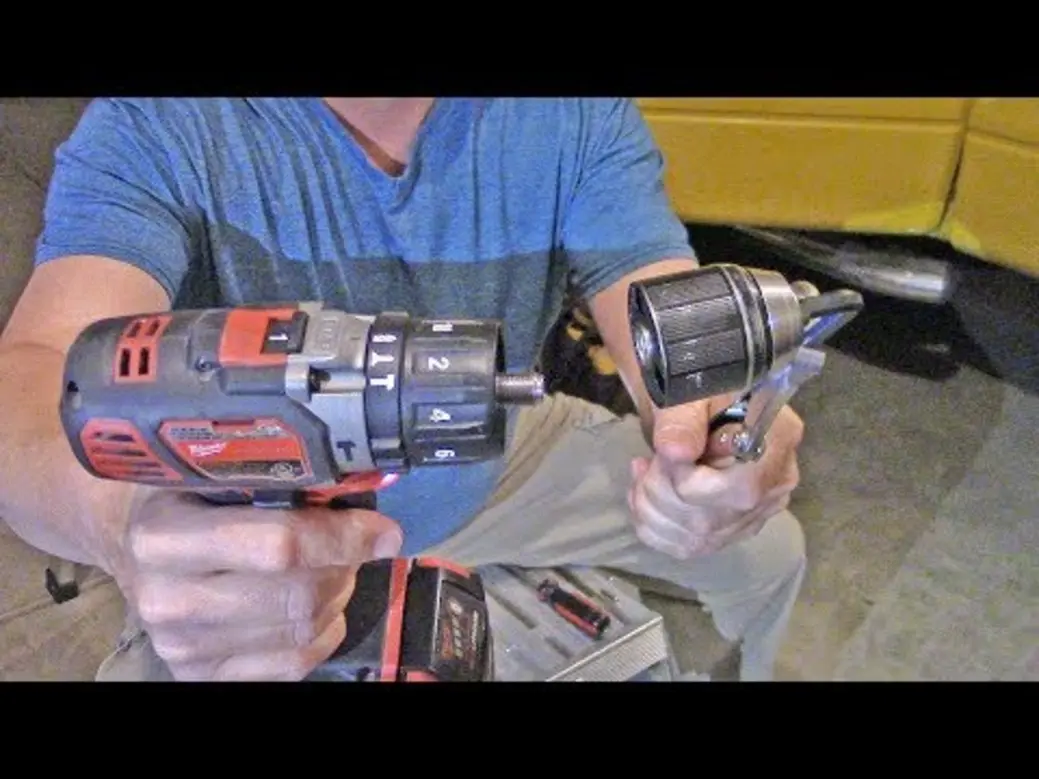 Cordless Drill Starts Then Stops: A Troubleshooting Checklist
 How to Drill Thin Sheet Metal Without the Bit Grabbing or Tearing the Hole
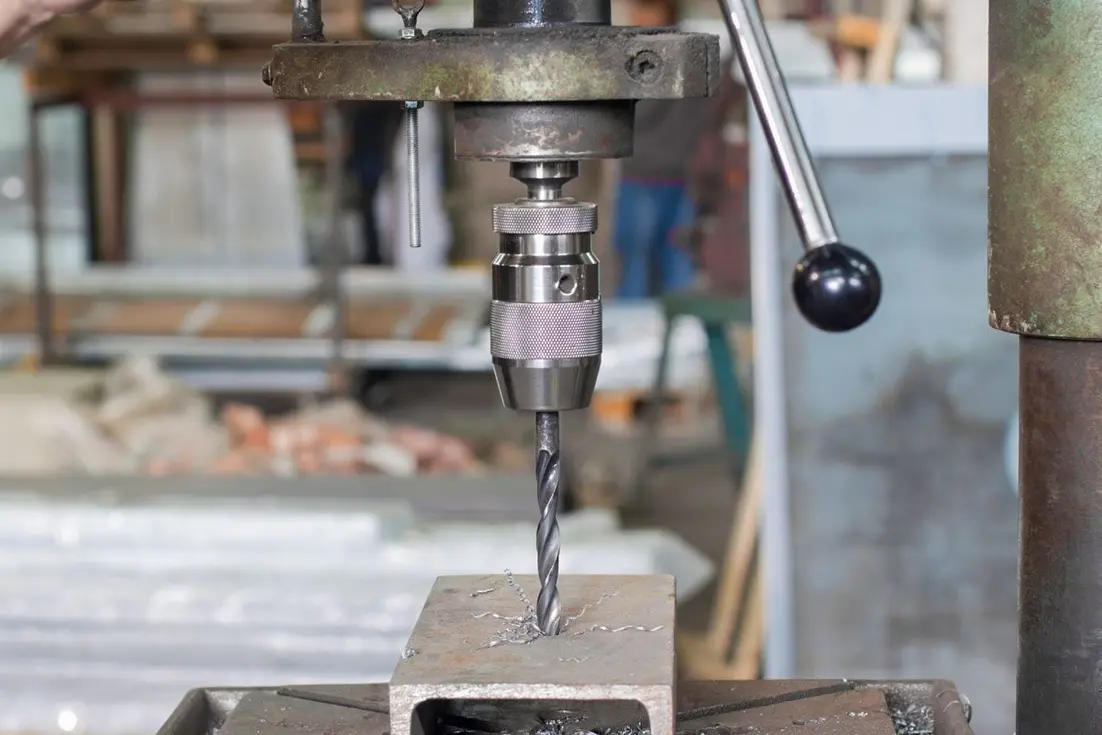 Why Drill Bits Dull or Break When Drilling Metal