A drain spade is the better choice when you need a narrow, deep hole, want to cut around an existing root ball, or must work between established plants without excavating a large area. A standard round-point digging shovel is the better all-around tool for digging broad planting holes, lifting larger volumes of soil, and backfilling.
The deciding factor is blade width and shape, not the name printed on the tool. A drain spade—also called a transplanting spade, tile spade, or sharpshooter—has a long, narrow blade that concentrates force in a small area. A standard shovel has a wider, more deeply dished blade that penetrates soil and carries substantially more material with each scoop. A.M. Leonard’s shovel guide summarizes the practical distinction well: a shovel primarily lifts material, while a spade is designed to cut and slice soil.
Quick choice: drain spade or shovel?
Choose a drain spade if you are:
- Transplanting a small shrub, sapling, perennial clump, or volunteer tree
- Digging a narrow hole beside a fence, foundation, bed edge, or established plant
- Installing a narrow irrigation or drainage line
- Cutting through turf and soil with minimal disturbance on each side
- Dividing perennials or tracing the edge of a root ball
- Removing a deep, narrow plug of soil
Choose a standard digging shovel if you are:
- Digging a wide planting hole for a shrub or tree
- Breaking and removing a large volume of loose or previously worked soil
- Mixing amendments into a planting area
- Moving excavated soil, compost, mulch, or gravel
- Backfilling after planting
- Buying one general-purpose digging tool for a garden
For many gardeners, the practical answer is not one tool replacing the other. Use the drain spade to cut the outline and loosen a plant, then use the wider shovel to remove loose soil and refill the hole.
Blade shape is the main difference
A drain spade has a long, narrow blade, commonly with a rounded or pointed tip and a slight dish. The narrow profile lets it reach depth without making a broad hole. It also leaves less disturbed soil beside the blade, which matters when digging close to neighboring roots, lawn, edging, or hardscape.
A standard round-point shovel has a much wider, curved blade. Its pointed nose helps it enter soil, while the dished blade holds loose earth. That shape makes it more efficient for general excavation and material handling, but it is less precise around plants.
A narrow drain spade is not simply a smaller shovel. Its blade removes less soil by design. That is helpful when the goal is a slim trench or a tight root-ball cut, but it becomes slow when you need a hole wide enough to position roots properly.
Drain spade uses in the garden
Transplanting shrubs and small trees
A drain spade is especially useful for transplanting plants with a manageable root ball. Work around the plant in a circle or oval, driving the blade down repeatedly to sever small roots and define the plug of soil you intend to lift. The narrow blade gives more control near nearby plantings and limits unnecessary cuts farther from the root ball.
The tool is commonly identified as a transplanting spade for this reason. A.M. Leonard notes that the narrow profile reduces root disturbance on either side of the cut and is useful for digging around live root balls.
For a larger shrub, a drain spade can make the initial cuts, but it may not be the best tool for lifting the full plant. A broad shovel, digging spade, garden fork, or a second person may be needed once the root ball is loose. Do not try to lever heavily against a thin blade to force out a plant that is still anchored by major roots.
Dividing perennials
For clump-forming perennials, the narrow blade can slice a defined section from the edge of the clump. It is useful where you want one division without opening the entire plant or disrupting nearby roots. A sharp edge matters more than blade width when roots are dense.
Digging narrow trenches
A drain spade works well for narrow irrigation runs, drainage channels, edging trenches, and similar jobs where a wide excavation would create extra backfill and lawn repair. Its long blade helps reach depth while keeping the trench narrow.
However, it is not a high-volume trenching tool. The blade can loosen and lift some soil, but it does not carry much per scoop. For a wide trench or a project requiring substantial soil removal, a normal digging shovel will be faster after the initial cut.
Working in crowded beds
A narrow shovel is useful between shrubs, beside a fence, or along a foundation where a full-size blade would strike plants or remove more soil than necessary. Short D-handle versions are particularly maneuverable in confined planting beds, while long-handle versions can provide more reach for deeper work.
When a standard shovel is the better choice
A full-size digging shovel remains the more useful default tool for most gardeners. The wider blade creates a wider hole, which is usually what you need when planting a shrub or tree. Roots need room to spread outward, and a narrow, deep shaft is rarely the ideal final planting hole.
Use a standard shovel when you need to:
- Remove several shovelfuls of soil quickly
- Dig a hole wider than the plant’s existing root ball
- Shape and widen a planting hole after making a pilot cut
- Move loosened soil into a wheelbarrow or onto a tarp
- Backfill and firm soil around a transplant
Wirecutter’s overview of shovel types describes the regular round-point shovel as the general-purpose option, while narrow transplanting spades excel at uprooting and resettling plants in tighter areas. That division reflects how the blades work: capacity favors the wide shovel; precision favors the narrow spade.
Handle length and leverage
Blade shape is the first thing to compare, but handle style changes how the tool feels in use.
Short D-handle drain spades
A short handle with a D-grip is common on transplanting spades. It gives close control when cutting around a root ball and is easier to maneuver in tight spaces. The compact form also makes it easier to use while kneeling or working within a densely planted border.
The tradeoff is reduced reach. You may need to bend more when digging a deep hole, and the tool is less convenient for tossing soil away from the excavation.
Long-handled drain spades
Long-handled versions provide better reach into a deep, narrow hole. They can also help with controlled levering of loosened soil, but their narrow blades are not intended for aggressive prying against large rocks, stumps, or thick structural roots.
Easy Digging advises using a pick, mattock, or digging bar rather than a drain spade for large roots, buried rocks, or heavy prying. This protects both the tool and the user from a sudden blade slip or handle failure.
Standard shovel handles
A conventional long-handled shovel gives reach and makes it easier to move soil away from the hole. It is generally more efficient for repeated digging and loading. A D-handle shovel offers more close control but usually less reach, so it can be a sensible compromise for smaller gardeners or confined beds.
How to transplant with a drain spade
1. Prepare the new hole first
Have the destination hole ready before disturbing the plant. For most shrubs and trees, the final hole should be wider than the root ball, not merely deep and narrow. Use a standard shovel to widen and shape it if necessary.
2. Mark the root-ball area
Estimate the size of the root ball you can realistically lift. Start far enough from the stems to preserve useful roots, especially on established shrubs. A very tight cut may make lifting easier, but it also removes more of the plant’s root system.
3. Cut a ring with the narrow blade
Drive the drain spade downward around the marked area. Use repeated vertical cuts rather than twisting the blade aggressively. If the spade encounters a thick root, expose enough of it to determine whether it can be cleanly cut or whether the plant needs a wider root ball.
4. Loosen from several sides
After cutting the outline, angle the blade gently under the root ball from different positions. The goal is to locate remaining roots and loosen the plant gradually, not to pry hard from one point.
5. Lift and support the root ball
Once loose, lift from underneath the root mass when possible. Avoid pulling the plant by stems or branches. If the root ball is heavy or crumbly, slide it onto a tarp, piece of burlap, tray, or board for the move.
6. Replant and backfill with the wider shovel
Set the plant at its original soil level unless the plant’s specific planting instructions say otherwise. Backfill with the excavated soil, firm it gently to remove major air pockets, and water thoroughly. A digging shovel is much faster than a drain spade for this stage.
Do not use a narrow spade for every planting hole
A drain spade can make a deep, narrow opening quickly. That does not mean a narrow opening is always right for planting. A shrub planted in a hole that is only barely wider than its root ball can be difficult to position and backfill properly.
For container-grown shrubs, a broad planting hole lets you inspect circling roots, spread or redirect them where appropriate, and work soil around the root ball. For balled-and-burlapped or field-grown plants, the drain spade may be useful for severing roots during removal, but the new planting hole still needs adequate width.
The tool is most valuable during extraction and precise digging. The standard shovel is more useful for site preparation and cleanup.
Drain spade vs. shovel in common jobs
Moving a small shrub
Use the drain spade to cut around and under the root ball. Use the shovel to prepare the receiving hole and backfill. This is one of the best cases for owning both.
Planting a new container shrub
Use the standard shovel for the main hole. A drain spade may help in a narrow border or where you need to avoid adjacent plants, but it is usually not the primary tool.
Digging near a fence or wall
Use a drain spade. Its slim blade fits where a wide shovel cannot work efficiently and removes less soil from a restricted area.
Installing a narrow irrigation line
Use a drain spade for the narrow trench. If the line requires a broad, deep trench or you must remove large amounts of soil, bring in a wider shovel as well.
Cutting a bed edge
A flat-edged garden spade is often better for crisp, straight edges. A drain spade can make a narrow cut, but its rounded or pointed blade does not create the same clean vertical line as a straight-edged spade. For more on choosing among these overlapping tools, see shovel vs. spade vs. trenching shovel.
Digging compacted or rocky soil
A pointed shovel or pointed digging spade may penetrate better than a narrow drain spade, depending on the blade construction and soil conditions. If you meet large stones or substantial roots, switch tools rather than forcing the drain spade sideways.
What to look for in a drain spade
If your main work is transplanting and narrow digging, prioritize practical features over labels. Manufacturers use terms such as drain spade, transplanting spade, tile spade, sharpshooter, and narrow shovel inconsistently.
Look for:
- A blade narrow enough for the gaps and trench width you commonly work in
- A blade long enough to reach beneath the root balls you plan to move
- A sharp, durable cutting edge
- A handle length that suits your working position and storage space
- A secure connection between blade socket and handle
- A comfortable grip that remains controllable when wet or muddy
Some models have serrated edges marketed for roots. These can help start a cut through fibrous roots, but they do not make a narrow spade suitable for sawing through large woody roots. For those, use an appropriate pruning saw, loppers, mattock, or digging bar according to the root size and access.
Care and maintenance
Clean soil from the blade after use, especially after working in wet clay or compost-rich beds. Dry the metal before storage to reduce corrosion. A lightly sharpened cutting edge improves penetration and reduces the urge to stomp, twist, or pry excessively.
Keep the edge functional rather than razor-thin. A garden spade needs a durable bevel that can withstand soil contact, stones, and small roots. Check the handle, collar, and fasteners periodically; retire or repair a loose or cracked handle before applying full body weight to the tool.
Bottom line
Buy or reach for a drain spade when precision matters more than soil-moving capacity. It is the right tool for transplanting small shrubs, dividing plants, digging narrow trenches, and working close to existing roots or structures.
Use a standard digging shovel when the job involves a broad planting hole, a large pile of soil, or routine garden excavation. If you regularly move plants, the most effective setup is usually a drain spade for cutting and loosening, plus a full-size digging shovel for excavation, transport, and backfill.
References
- Shovel Vs Spade - They’re Not The Same - Herbvity. (n.d.). https://herbvity.com/shovel-vs-spade
- Spade vs Shovel: The Difference and Which to Buy (Diagram). (n.d.). https://spearheadspade.com/blogs/garden-guides/spade-vs-shovel-whats-the-difference-and-which-do-you-need
- Premium Drain Spade Shovel Manufacturer: Unmatched Quality and Durability - Dingzhou Gemlight Cutting Tools Co., Ltd._Wholesale Machete, Sickle, Shovel, Hoe, Pickaxe Manufacturer from China. (n.d.). https://www.ganzhedao.com/news/drain-spade-shovel.html
- Shovel vs. Spade: What’s the Difference?. (n.d.). https://planter.garden/blog/shovel-vs-spade-what-s-the-difference
- Shovel Buying Guide | AM Leonard. (n.d.). https://www.amleo.com/mastery-center/buying-guides/shovel-buying-guide-am-leonard
- Drain Spade vs Garden Spade – What’s the Real Difference?. (n.d.). https://www.youtube.com/watch?v=YlmRG2gnO0U&vl=en-US
- The 4 Best Shovels of 2026 | Reviews by Wirecutter. (n.d.). https://www.nytimes.com/wirecutter/reviews/best-shovel
- Drain Spade Root Saw Spade Narrow Serrated Shovel Digging Shovels for – Home Garden Gear. (n.d.). https://www.homegardengear.com/products/b0c1gkhkhq
- Drain Spade Garden Digging Serrated Shovel Root Saw Spades with Wooden – Home Garden Gear. (n.d.). https://www.homegardengear.com/products/b0c3vh156t
- Sharpshooter Shovel & Drain Spade | Short or Long Handle. (n.d.). https://www.easydigging.com/digging/trenching-tools/buy-sharpshooter-drain-tile-spade.html
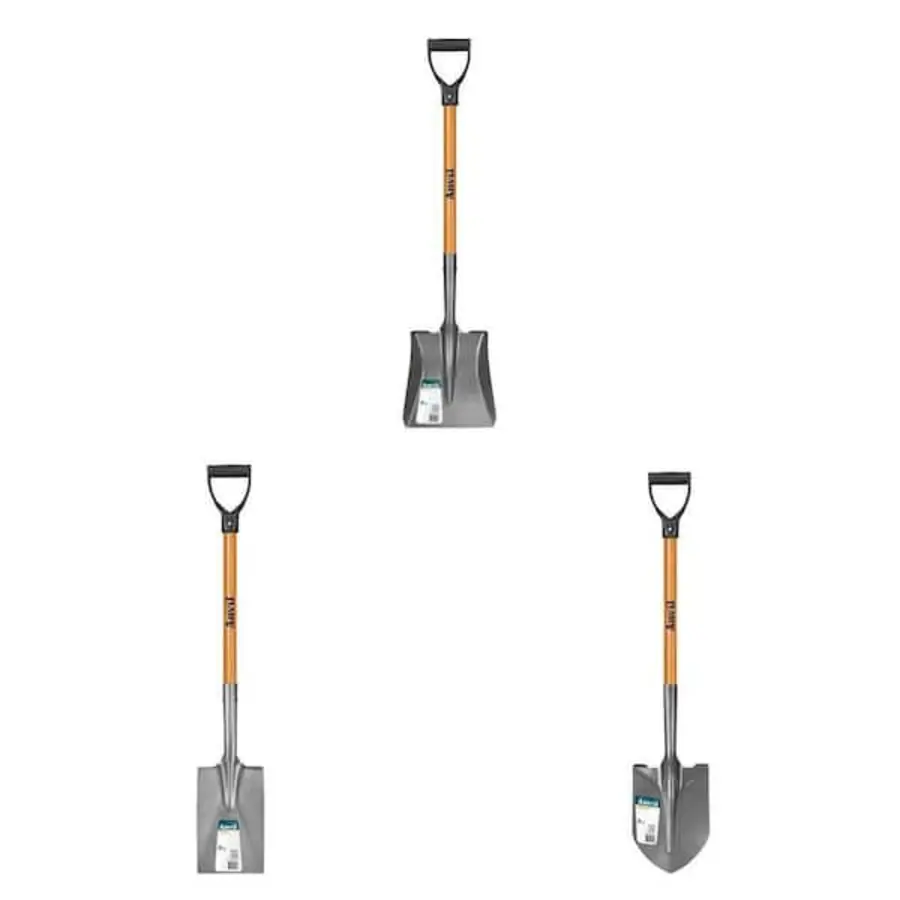 Transfer Shovel vs. Digging Shovel: Which Is Better for Compost and Loose Material?
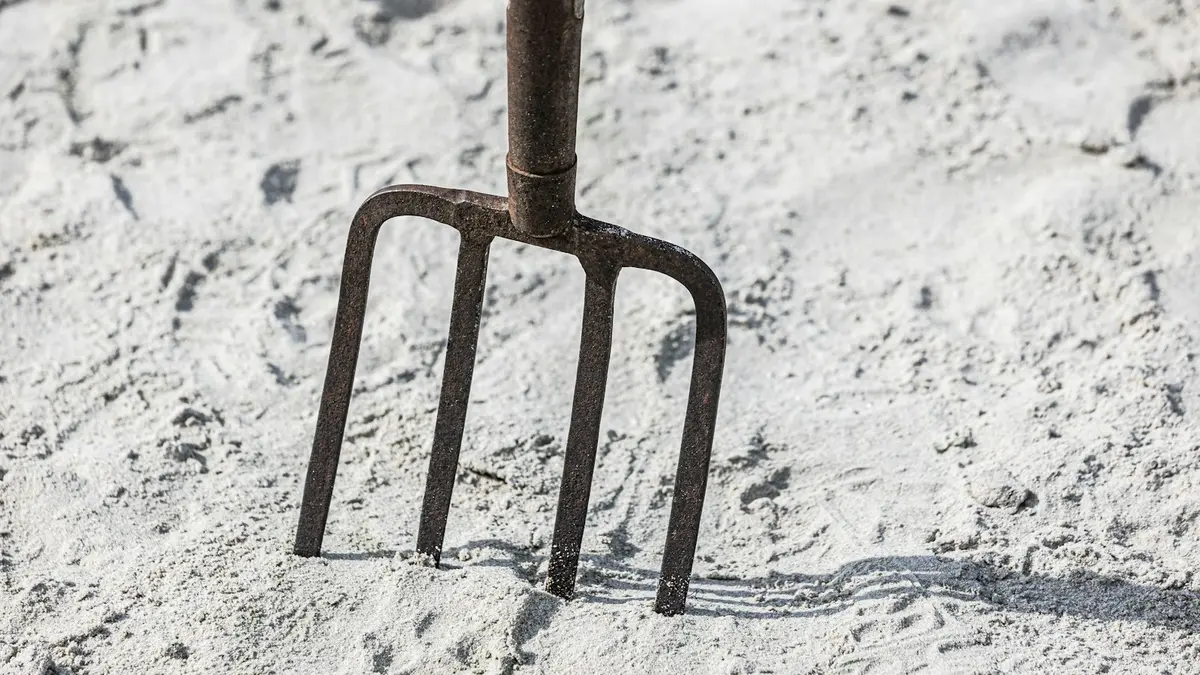 Garden Fork vs. Spade for Breaking Up Compacted, Weedy Soil
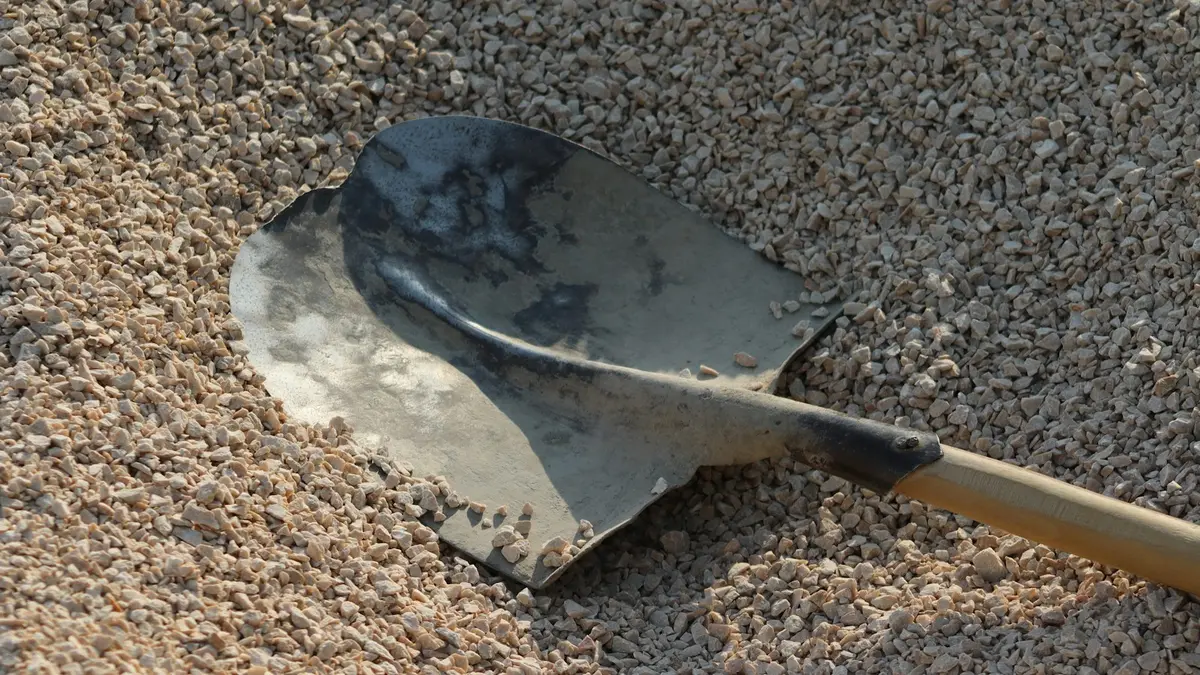 Shovel vs. Spade vs. Trenching Shovel: What to Use for Common Yard Jobs