A cordless circular saw that starts normally but slows sharply or stops once the blade enters lumber is usually dealing with one of two things: the battery cannot deliver enough power for the cut, or the cut is placing too much load on the blade and motor. Start with a fully charged, compatible battery in good condition, then check the blade, work support, and feed pressure before treating the saw as defective.
An abrupt stop can be normal protection behavior on some cordless tools. Battery packs and saw electronics may reduce or interrupt operation when current draw or temperature becomes excessive. Do not repeatedly restart a saw that has stopped in a binding cut. Release the trigger, wait for the blade to stop, remove the battery, and find the cause first. The instructions for the specific saw and battery are the authority for indicator lights, protection behavior, approved packs, and reset or cool-down procedures. Makita’s cordless circular saw manual also directs users to remove the battery before checks or adjustments.
Start With the Battery
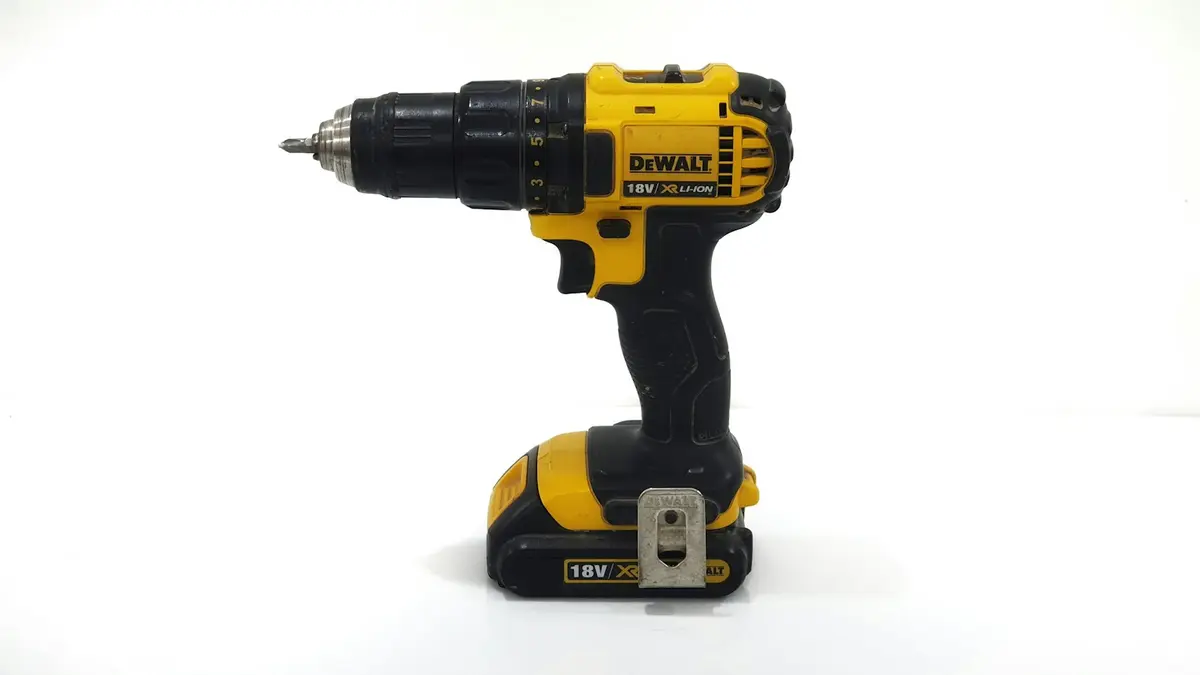
A battery can show charge yet fail under cutting load
A battery indicator is useful, but it is not a complete load test. A partly charged pack may spin the blade at no load and still sag when the blade meets dense lumber, a long rip cut, wet material, or a bevel cut. A pack with reduced capacity can do the same even after charging.
Compare results with another known-good, fully charged battery of the exact type approved for the saw. If the saw cuts normally with the second pack, the original battery is the likely problem. If both packs cut out at the same point in the same board, look more closely at the blade, cut setup, or saw.
Battery capacity matters in practical use. A larger-capacity pack within the manufacturer’s approved range can generally sustain demanding work longer than a smaller pack, but it does not cure a dull blade or a pinched kerf. Do not assume that a physically fitting battery is electrically approved. Verify battery compatibility in the current tool and battery manuals.
Source: Unsplash
Check temperature and connections
Let a hot battery and saw cool in a dry, shaded area. Avoid charging or using a pack immediately after a hard series of cuts if its manual indicates a temperature-related protection condition. Check for cracked housings, damaged terminals, debris in the battery rails, or a pack that does not latch firmly. Use a dry, non-metallic method to remove loose dust; do not probe terminals with metal tools.
Clean, fully seated connections matter because poor contact can add resistance and cause intermittent operation. If the battery or charger shows an error pattern, follow that product’s official instructions rather than bypassing or modifying the pack.
Reduce the Cutting Load
Inspect the blade first
Disconnect the battery before touching the blade or making adjustments. A dull, dirty, damaged, or incorrect blade makes the motor work harder and can trigger a shutdown. Resin buildup can also make a wood-cutting blade cut poorly.
Confirm that the blade is intended for the material and is within the saw’s permitted diameter, arbor, and speed specifications. Check the current manual for the approved blade range and installation procedure. A circular saw manual is also the appropriate source for the required guard operation and intended cutting applications; the supplied Makita documentation describes straight and miter cuts in wood with the tool held firmly against the workpiece. See the manual.
Replace a blade with missing, bent, cracked, or severely worn teeth. Do not try to straighten a damaged blade. Make sure the blade is installed in the correct rotation direction and that the arbor hardware is secured as the manufacturer specifies.
Set cutting depth correctly
Excessive blade exposure adds drag and can make the cut less controlled. Set depth only as directed in the saw manual, then lock the adjustment securely. A bevel cut increases the effective cutting demand, so a setup that handles an easy crosscut may struggle in thick lumber at an angle.
Prevent the kerf from closing
A saw can stall when the board moves and pinches the blade. This commonly happens when a long board or cutoff is unsupported, when the board sags between supports, or when internal wood stress closes the kerf.
Support the workpiece so both the main piece and cutoff remain stable and the blade will not contact a sawhorse, bench, floor, or hidden fastener. Keep hands away from the cutting path and do not hold the offcut by hand. If the cut begins to close, stop rather than forcing the saw through it.
Let the saw set the pace
Start the blade before it contacts the work, then guide the saw steadily without pushing hard. If motor speed drops noticeably, ease off and let the blade recover. Persistent slowing means the setup needs correction: use a sharper suitable blade, improve support, reduce the depth or cut demand where appropriate, or use a saw suited to the material.
Forcing a circular saw raises the chance of blade binding and kickback. Maintain a balanced stance, keep both hands on the intended handles, and stand out of the likely kickback path. Keep the lower guard moving freely; never hold or tie it open.
A Quick Isolation Test
Use this sequence to separate a battery limitation from a cutting problem:
- Charge an approved battery fully and let a recently used hot pack cool if necessary.
- With the battery removed, inspect the blade, guard movement, depth setting, fastener tightness, and work support.
- Make a short, straight test cut in clean, ordinary lumber using light, steady feed pressure.
- Repeat with a second known-good approved battery if available.
- Note whether the shutdown occurs only in thick, wet, knotty, treated, or binding stock, or whether it happens even in an easy test cut.
A saw that completes easy cuts with one battery but not another points toward the weaker pack. A saw that struggles only when the kerf closes or when using one blade points toward cut resistance. A saw that cuts out with multiple approved batteries, a sound blade, and a properly supported easy cut deserves further inspection.
When It May Be a Tool Fault
Stop using the saw and arrange qualified service if it cuts out under modest load with more than one known-good approved battery and a correct, sharp blade. Also stop if you notice burning odor, smoke, repeated electrical arcing, a trigger that behaves inconsistently, unusual vibration, a damaged guard, damaged battery rails, or a housing that becomes abnormally hot.
Do not open a battery pack or defeat electronic protection to keep working. Check the current manual and warranty or service instructions for your exact model. The manufacturer documentation is especially important because controls, error indications, battery platforms, and protection systems differ among saws.
Safety Before Every Retry
Wear eye protection and appropriate hearing protection, keep the work area clear, and secure the material before cutting. Remove the battery before blade changes, cleaning around the guard, inspections, or adjustments. Make sure the lower guard returns properly before use.
If the blade binds, release the trigger and hold the saw still until the blade fully stops. Do not pull a running blade backward from the kerf. Correct the support or blade issue, then restart only when the saw is clear of the work. For more blade-care checks that can prevent excess cutting resistance, see circular saw blade maintenance.
References
- Why Does My Circular Saw Keep Stopping? Essential Troubleshooting and Maintenance Tips for Smooth Cutting. (n.d.). https://onevantool.com/blogs/news/why-does-my-circular-saw-keep-stopping
- Cordless Circular Saw | WORX ExacTrack | Bare Tool | WORX WX530.9. (n.d.). https://eu.worx.com/en/exactrack-cordless-circular-saw-20v-tool-only-wx530-9
- Cordless Circular Saw | WORX ExacTrack | Bare Tool | WORX WX530.9. (n.d.). https://eu.worx.com/en/producto/exactrack-cordless-circular-saw-20v-tool-only-wx530-9
- makita DHS680 Cordless Circular Saw Instruction Manual - Manuals+. (n.d.). https://manuals.plus/makita/dhs680-cordless-circular-saw-manual
- Mini Circular Saw Cordless | 20V PowerShare Battery | WORX WX531. (n.d.). https://eu.worx.com/en/worxsaw-brushless-cordless-compact-circular-saw-20v-with-battery-and-charger-wx531
- Cordless Circular Saw | Wholesale Supply. (n.d.). https://www.longipowertools.com/circular-saw
- Yato 3800 RPM Battery Operated Cordless Circular Saw YT-82811 at ₹ 10990 | Cordless Circular Saw in New Delhi | ID: 2854608776812. (n.d.). https://www.indiamart.com/proddetail/yato-3800-rpm-battery-operated-cordless-circular-saw-yt-82811-2854608776812.html
- Electric Portable Power Tool Cordless Circular Saw (FM-PTS90). (n.d.). https://www.shalltools.com/showroom/electric-portable-power-tool-cordless-circular-saw-fm-pts90.html
- Cordless circular saw features power, ergonomic and safety boosts - Turf & RecTurf & Rec. (n.d.). https://www.turfandrec.com/cordless-circular-saw-features-power-ergonomic-and-safety-boosts
- LIANGYE 20V Battery Brushless Cordless 7-1/4” Circular Saw 777-10L from China manufacturer. (n.d.). https://www.wlpower.com/LIANGYE-20V-Battery-Brushless-Cordless-7-1-4-Circular-Saw-777-10L-pd501379768.html
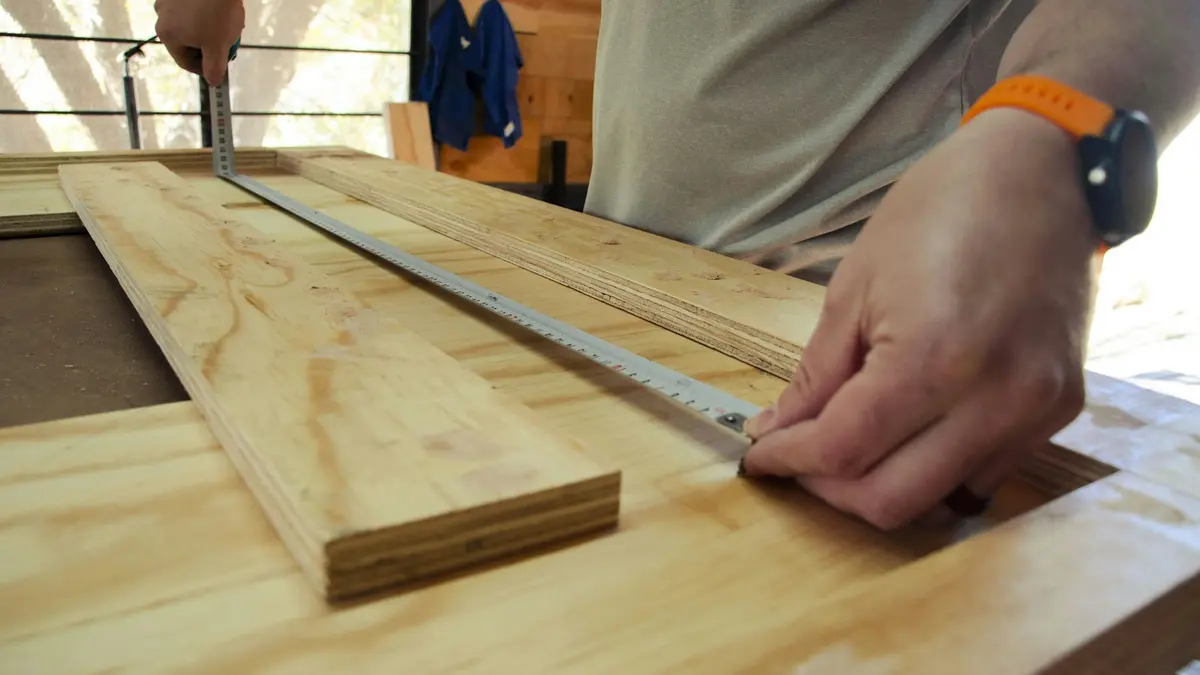 How to Cut a Wide Board Cleanly and Accurately on a Table Saw
 Why a Circular Saw Blade Deflects During a Cut and How to Troubleshoot It
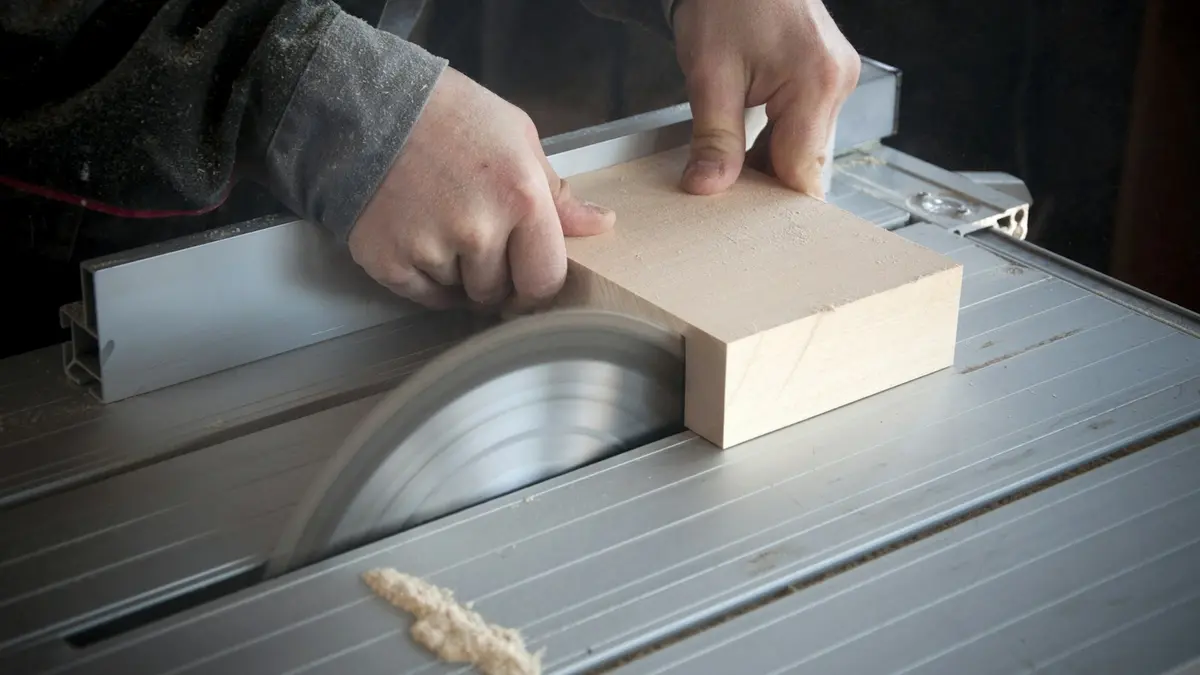 Circular Saw vs. Miter Saw vs. Router: Which Tool Fits the Cut You Need?