A circular saw, miter saw, and router are not interchangeable versions of the same tool. Choose a circular saw to break down plywood and make long straight cuts; choose a miter saw for fast, repeatable crosscuts and angled cuts on boards; choose a router for grooves, dadoes, recesses, and shaped edges.
For a beginner buying one tool, start with the jobs your projects actually require. A circular saw covers the broadest range of basic cutting tasks when paired with a reliable guide. A miter saw is the easier specialist when most work involves cutting dimensional lumber or trim to length. A router is usually an addition, not a substitute for either saw.
Quick choice by job
| If you need to… | Start with… | Why |
|---|---|---|
| Cut plywood, MDF, or other large sheet goods | Circular saw | It moves across material that is too wide or awkward for a miter saw. |
| Rip boards lengthwise | Circular saw | A guide helps keep long cuts on line. |
| Crosscut many boards to the same length | Miter saw | The workpiece rests against a fence, making repeated cuts efficient. |
| Cut trim, framing parts, or picture-frame angles | Miter saw | The tool is designed to set and repeat crosscut and miter angles. |
| Cut a groove, dado, rabbet, or recess | Router | A saw kerf cannot replace most routed joinery and recess work. |
| Round over, chamfer, or shape an edge | Router | A router bit shapes an edge instead of merely cutting material apart. |
| Make a long straight cut with limited shop space | Circular saw | The tool is portable, while the work can remain supported in place. |
Circular saw: the sheet-goods and long-cut tool
A circular saw is a handheld saw that travels across the workpiece. Its main advantage is reach: you can bring it to a full sheet of plywood, a door, or a long board rather than trying to bring that material to a stationary saw.
When to use a circular saw
Use a circular saw when you need to:
- Break down sheet goods into manageable pieces.
- Rip lumber or panels along their length.
- Make long crosscuts on wide material.
- Cut workpieces on site or outside a dedicated shop.
- Make bevel cuts when the project calls for them and you can set up an appropriate guide and support system.
A circular saw can crosscut boards and can make angled cuts, but it takes more setup than a miter saw. Marking the line is not usually enough for precise work. For dependable straight cuts with a circular saw, use a suitable straightedge, saw guide, track-style guide, or carefully made cutting jig. Account for the distance between the saw blade and the edge of the saw’s base when placing a straightedge.
For more on the setup, see how to cut plywood straight with a circular saw.
Where a circular saw is a compromise
A circular saw can stand in for a miter saw on occasional board cuts, especially when a guide is used. It is less convenient for repeated identical cuts because each cut needs measuring, positioning, and guide setup. It also does not replace a router for joinery or decorative edge work.
Miter saw: the repeated crosscut and angle-cut tool
A miter saw is stationary. You place the board against its fence and bring the blade down through the material. That layout makes it especially useful for cutting boards to length and repeating the same cut many times.
When to use a miter saw
Use a miter saw when you need to:
- Crosscut framing lumber, project boards, or trim.
- Cut many pieces to matching lengths.
- Make mitered corners for trim, frames, and similar assemblies.
- Make repeatable angle cuts in stock that fits the saw’s stated cutting capacity.
- Work quickly through a cut list made mostly of narrow boards.
A miter saw is often the most straightforward choice for a beginner whose projects are built from boards rather than full sheets. Its fence and preset angle system reduce layout and guiding work for ordinary crosscuts.
Where a miter saw cannot substitute
A miter saw is not a practical primary tool for ripping long boards or breaking down large panels. Its usable cutting width and height depend on the particular saw, its configuration, and the cut being made. Check the current manufacturer documentation for the exact capacity of a specific model rather than assuming a board or panel will fit.
It also cannot make a long groove, a clean stopped recess, or an edge profile. Those are router tasks.
Router: the groove, recess, and edge-shaping tool
A router uses a spinning bit to remove material within or along a surface. Unlike a circular saw or miter saw, it is not primarily a tool for cutting a board into two pieces.
When to use a router
Use a router when you need to:
- Cut grooves for panels, drawers, or shelves.
- Make dadoes or rabbets for joinery.
- Create a recess for hardware or an inlay.
- Shape an edge with a roundover, chamfer, or other profile.
- Trim one surface flush to another with an appropriate bit and setup.
- Follow a template for repeatable shapes.
A straight bit and guide can cut a straight groove, but that is different from a saw cut. The router removes material to a controlled width and depth; it does not efficiently break down a sheet or crosscut lumber to length.
Where a router is a compromise
A router may clean up, trim, or shape an edge after sawing, but it is generally a poor replacement for a circular saw when cutting panels to size. It is also not the efficient choice for a pile of crosscuts. Use it after the parts are cut to size when the project needs joinery, recesses, or a finished edge profile.
What can substitute—and what cannot
Circular saw instead of a miter saw
This is the most realistic substitution. A circular saw can make crosscuts and angled cuts with careful marking and a guide. The tradeoff is slower setup and less repeatability. If your work includes both sheet goods and occasional lumber cuts, a circular saw is usually the more flexible first purchase.
Miter saw instead of a circular saw
This works only when the material is narrow enough and the project is mostly crosscuts. A miter saw does not solve the problem of cutting a plywood sheet lengthwise or reducing a large panel to cabinet-part sizes.
Router instead of either saw
Usually, no. A router performs a different operation. It can cut a groove or profile an edge, but it is not a general substitute for cutting parts to length or width.
A practical buying order for beginners
Choose the first tool based on the material that dominates your projects.
Buy a circular saw first if you build with panels
Choose this route for shelves, utility cabinets, workbenches, storage projects, and other builds that begin with plywood or similar sheet goods. Budget for a guide system and a safe, stable way to support the work while cutting. The guide is part of what makes the tool useful for accurate work, not an optional luxury.
Buy a miter saw first if you build with boards and trim
Choose this route for simple furniture made from dimensional lumber, framing projects, trim, planter boxes, and repeated small parts. You will still need another method for ripping boards or sizing panels later.
Add a router when joinery or finished details matter
A router becomes valuable when your projects move beyond butt-jointed boxes and simple cut-to-length parts. It can add stronger or more refined joinery options, create hardware recesses, and produce finished edge treatments. It is often the third tool in this comparison, not the first.
Set up for accuracy before blaming the tool
Poor cuts often come from an inadequate setup rather than the category of saw. A circular saw needs a clear layout line, a correctly positioned guide, and fully supported material. A miter saw needs stock that sits flat against the table and fence. A router needs a stable reference edge, guide, fence, or template when the cut must be straight or repeatable.
For plywood cuts, also plan where the offcut will go. If the material pinches, shifts, or drops during a cut, stop and reassess the support arrangement rather than forcing the tool through the work.
Safety and setup checks
These tools have different controls, guards, accessories, and operating limits. Read the current manual for the exact tool and verify its approved blade or bit types, workholding guidance, adjustment procedures, and maintenance requirements before use. Follow applicable local authority guidance for your workspace and task.
Before each operation, confirm that the workpiece is adequately supported, the cut path is clear, and your guide, fence, or template is secure. Do not attempt to hold small or unstable workpieces in a way the manufacturer does not permit. If a cut feels beyond your experience or the tool’s intended use, change the setup or use a more suitable method.
Bottom line
Pick the circular saw for large panels, long cuts, and broad versatility. Pick the miter saw for fast, repeatable crosscuts and angle cuts in boards. Pick the router for grooves, recesses, joinery, and shaped edges.
If you are choosing only one tool and expect to cut plywood as well as lumber, a circular saw plus a dependable guide is usually the most flexible starting point. If you mainly cut boards to length, a miter saw is the more convenient specialist. A router earns its place when the project needs more than a board cut into smaller pieces.
References
- Circular saw vs mitre saw vs router : r/BeginnerWoodWorking. (n.d.). https://www.reddit.com/r/BeginnerWoodWorking/comments/1kycelx/circular_saw_vs_mitre_saw_vs_router
- Are Circular Saw Blades And Miter Saw Blades Interchangeable? - Know The Difference. (n.d.). https://toolsadvisers.com/are-circular-saw-blades-and-miter-saw-blades-interchangeable
- Circular Saw vs Miter Saw: Which Do You Actually Need?. (n.d.). https://woodworkingadvisor.com/circular-vs-miter-saw
- Your First Saw: Circular Saw Vs. Miter Saw - A Butterfly House. (n.d.). https://abutterflyhouse.com/first-saw-circular-vs-miter
- Miter saw vs. Circular saw: Which is best for beginners? …. (n.d.). https://www.facebook.com/anikasdiylife/posts/miter-saw-vs-circular-saw-which-is-best-for-beginnersboth-have-their-advantages-/1580685737421153
- Miter or Circular Saw? A Breakdown for Beginning Builders. (n.d.). https://www.uncookiecutter.com/tool-tuesday-miter-or-circular-saw
- Sundi - Table Saw Vs Circular Saw Vs Miter Saw. (n.d.). https://www.sundicuttingtools.com/news/technology-articles/table-saw-vs-circular-saw-vs-miter-saw
- What’s Better? Miter Saw vs Circular Saw | Green Building Canada. (n.d.). https://greenbuildingcanada.ca/miter-saw-vs-circular-saw
- Don’t Buy the Wrong Saw: Circular Saw vs Miter Saw. (n.d.). https://www.youtube.com/watch?v=6MLg9ucmhck
- Table Saw vs Circular Saw vs Miter Saw: Select the Right …. (n.d.). https://www.findbuytool.com/blogs/university/table-saw-vs-circular-saw-vs-miter-saw-select-the-right-one
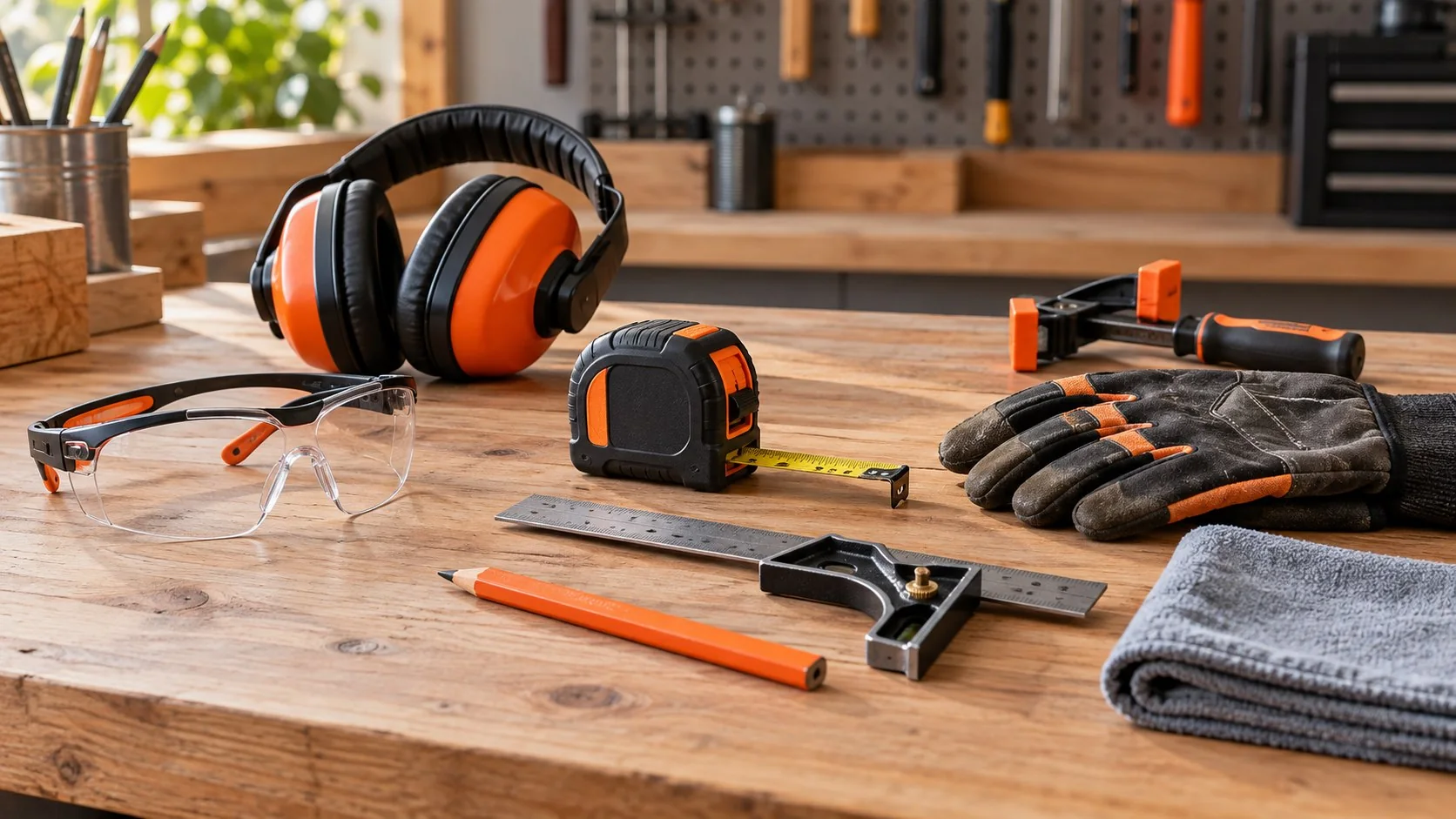 Can You Use a Circular Saw or Router Upside Down?
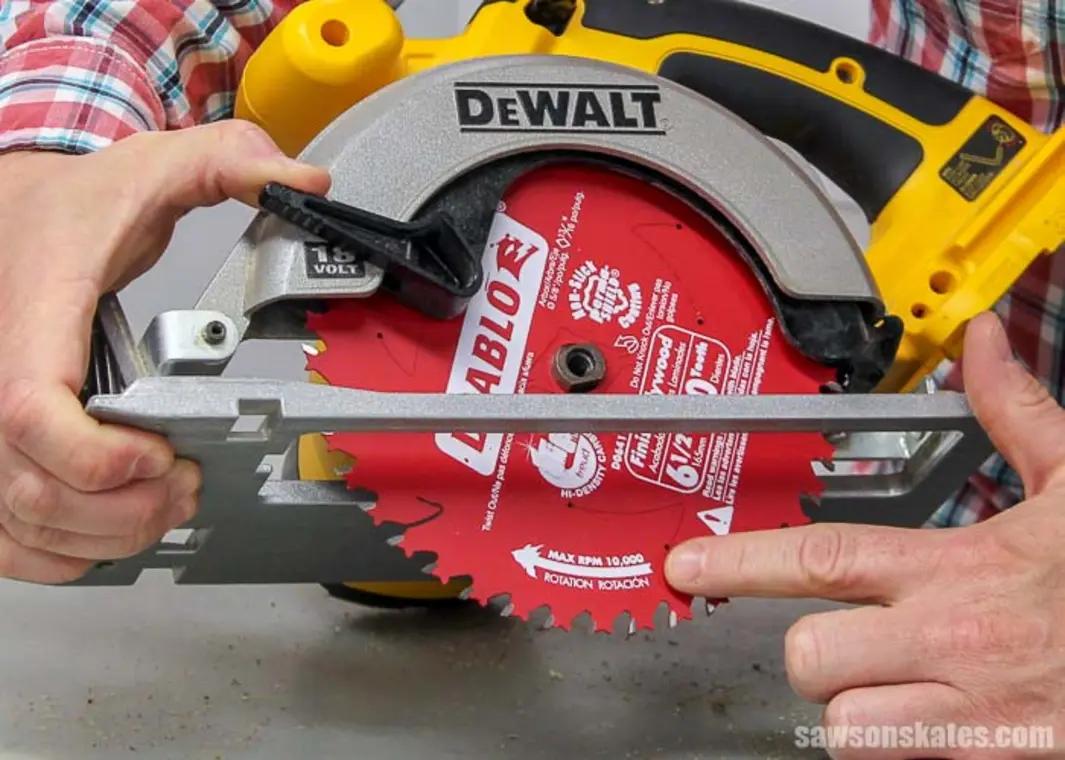 Which Way Does a Circular Saw Blade Go? How to Check Installation Safely
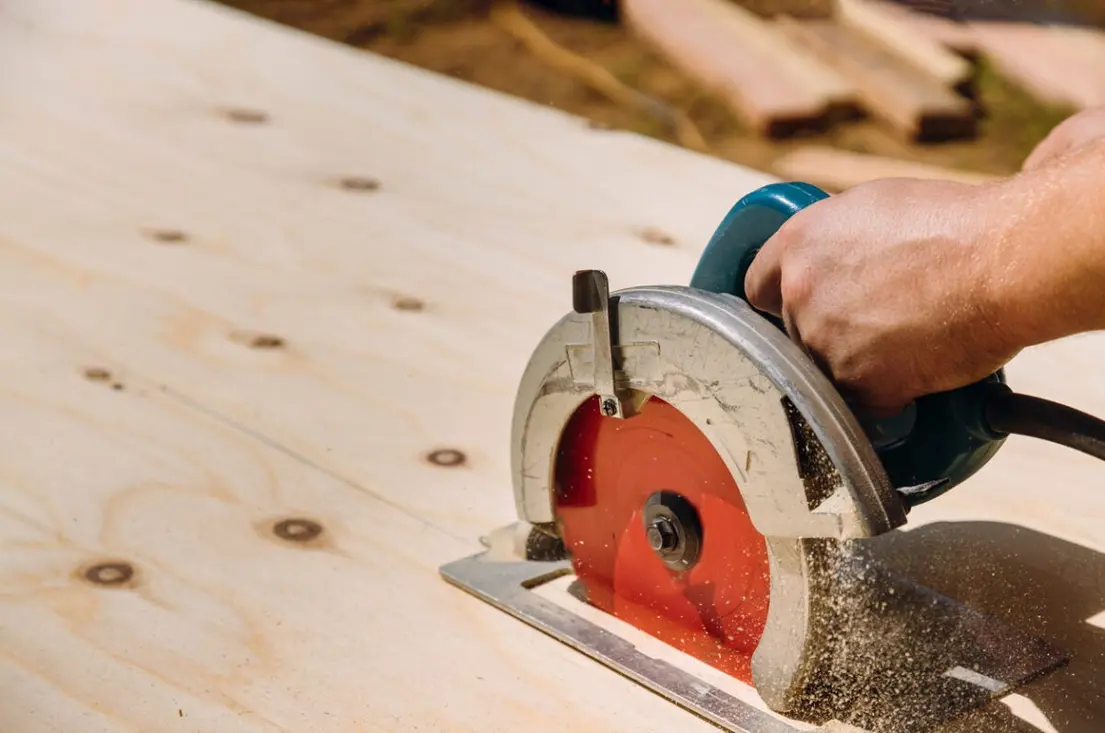 Why a Circular Saw Blade Deflects During a Cut and How to Troubleshoot It