A circular saw blade that burns wood, leaves rough edges, wanders, or requires extra pushing may be dirty, dull, damaged, or simply wrong for the cut. Start by removing and inspecting the blade. If its teeth are intact but coated in pitch or resin, clean it first. If it is clean but cuts poorly, sharpening may be worthwhile for a serviceable blade. Replace it when teeth are missing or badly damaged, the plate is bent or cracked, or the blade cannot safely be restored.
Do not keep forcing a saw through a cut to finish the job. Excess force and heat can worsen the cut and may point to a blade, setup, or workpiece-support problem. For blade removal, installation, guarding, electrical isolation, compatible blade selection, and safe operating procedures, use the current saw and blade manufacturer instructions and applicable official safety guidance.
Decide: clean, sharpen, or replace
A quick inspection prevents a common mistake: treating every poor-cutting blade as dull. Resin can cover otherwise sharp teeth, while a clean blade with chipped carbide will not be fixed by washing.
Clean it when the teeth look intact but dirty
Clean the blade when you see sticky brown or amber residue, packed sawdust, or a glazed coating on the teeth and plate. Resin and pitch are especially common after cutting softwood and other resinous wood. The buildup increases friction and heat, so the saw may bog down or leave burn marks even though the cutting edges are still usable.
Cleaning is the first step when the blade has been used on pitchy lumber and the teeth are not visibly damaged. Reassess its cutting after cleaning; a noticeably improved cut means contamination was at least part of the problem.
Sharpen it when it is clean, intact, and dull
A clean blade may need sharpening if it still needs unusual feed pressure, cuts slowly, makes more noise than usual, leaves fuzzy or ragged edges, or burns material despite proper setup. Inspect the teeth closely first. A blade with uniform, worn cutting edges can often be sharpened if the blade type is designed to be serviced.
Many carbide-tipped blades are better evaluated and sharpened by a qualified blade-sharpening service. Tooth geometry and carbide tips require accurate equipment; improvised grinding can alter the tooth shape, damage carbide, or leave teeth uneven. Check the blade manufacturer’s guidance before arranging sharpening, since some blades are intended as replaceable consumables rather than repeated-service blades.
Replace it when damage or wear is beyond service
Replace the blade rather than cleaning or sharpening it when you find any of the following:
- Missing, cracked, or loose carbide tips.
- Chipped, broken, bent, or uneven teeth.
- A cracked, distorted, or visibly warped blade plate.
- Severe corrosion, pitting, or damage around the arbor hole.
- Repeated vibration, wobble, or erratic cutting that remains after checking the saw, blade installation, and workpiece support according to the manufacturer instructions.
- Teeth worn down so far that a sharpening service says there is insufficient material for another sharpening.
- A blade that is unsuitable for the material or the type of cut.
Do not attempt to straighten a damaged blade plate or reattach carbide teeth yourself. A damaged blade should be taken out of service.
Inspect the blade before doing anything else
Disconnect the saw from its power source as directed in its manual, and wait for the blade to stop completely before touching it. Follow the manual’s procedure for removing the blade. Handle it carefully and keep fingers clear of the teeth.
Place the removed blade on a protected, well-lit surface. Brush loose dust away, then inspect both faces and every tooth. Rotate the blade slowly and look for buildup, damage, discoloration from overheating, cracks, and abnormal wear.
Pay attention to the pattern of damage. One or two damaged teeth can result from hitting a hidden fastener or abrasive debris. Uniform dullness across the blade is more consistent with normal wear. Heavy residue around many teeth points toward cleaning first.
Poor cuts do not always originate at the blade. A saw can also wander when the workpiece is poorly supported, the cut is pinching the blade, the guide is misused, or the blade is not suited to the task. Before making another test cut, make sure the work is stable, the offcut can move without closing the kerf, and the guide is being used as intended.
How to clean a circular saw blade
Use a cleaner intended for saw-blade pitch and resin, or a mild water-based cleaning solution that the blade manufacturer permits. Avoid assuming that a strong solvent, caustic cleaner, or abrasive pad is safe for every coating, carbide tip, or printed blade marking. Check the cleaner label and blade maker’s instructions.
Basic cleaning process
- Remove the blade according to the saw manual and place it in a shallow tray or on a protected surface.
- Remove loose dust with a soft brush or cloth.
- Apply the cleaning solution or soak the blade only as directed by the cleaner instructions. Let the residue soften; do not rush by using an unapproved aggressive chemical.
- Scrub both sides and the gullets between teeth with a nylon or other nonaggressive brush. Work carefully around the teeth.
- Wipe away loosened residue and repeat where needed rather than scraping aggressively.
- Rinse only if the cleaner instructions call for it, then dry the blade thoroughly, including around the teeth and arbor hole.
- Inspect it again in good light. Cleaning should reveal the true condition of the cutting edges.
Do not reinstall a wet blade. Moisture left on steel can contribute to corrosion, and cleaning residue can attract dust. If the blade maker specifies storage protection or corrosion prevention, follow that guidance without putting any substance where it could interfere with installation or cutting.
What sharpening can and cannot fix
Sharpening restores worn cutting edges; it does not repair a cracked plate, missing carbide, bent teeth, or unsuitable tooth design. It also cannot make a fine-finish blade the right choice for fast rough framing cuts, or turn a wood blade into a blade approved for another material.
Before sharpening, identify the blade construction and confirm that it is a candidate for service. A sharpening provider can assess tooth condition, remaining tooth material, plate condition, and whether the blade can be sharpened economically. If the service finds damage or too little material remaining, replacement is the sensible answer.
After sharpening, inspect the returned blade and install it only as instructed by the saw and blade manufacturers. Confirm that the blade is approved for the saw and intended material; do not rely on a blade’s diameter alone as proof of compatibility.
Prevent resin buildup and premature dulling
A blade will last longer when it is used for the material and cut it was designed to make. Keep the work supported so the kerf does not close and bind the blade. Avoid cutting into concealed nails, screws, masonry debris, or other contaminants. Store blades where their teeth cannot strike other tools or each other.
Clean residue before it becomes a thick baked-on layer. This is particularly useful after a run of resinous wood, when pitch can accumulate quickly. A simple routine is to inspect the blade after demanding work, clean it when buildup is visible, and remove it from service immediately if damage appears.
A practical troubleshooting order
When a circular saw starts cutting badly, use this order:
- Stop forcing the cut and inspect the work support and cut path.
- Remove the blade following the manufacturer procedure.
- Check for resin, pitch, and packed debris.
- Check every tooth and the blade plate for damage.
- Clean an intact dirty blade and test it only after correct reinstallation.
- If a clean blade remains dull but undamaged, determine whether professional sharpening is supported for that blade.
- Replace any blade with cracks, distortion, missing teeth or carbide, serious corrosion, or wear beyond service.
This approach avoids discarding a blade that only needs cleaning, while keeping damaged blades out of use. A clean, sharp, undamaged blade matched to the job should cut with less effort and leave a more predictable result.
References
- How to Maintain and Sharpen Your Circular Saw Blade. (n.d.). https://www.datapowertools.co.uk/blog/how-to-maintain-and-sharpen-your-circular-saw-blade
- Caring for your circular saw blade: Taking the time to maintain your …. (n.d.). https://www.facebook.com/100057422380912/videos/-caring-for-your-circular-saw-blade-taking-the-time-to-maintain-your-saw-blade-w/520978073953113
- Maintenance Guide For Circular Saw Blade Sharpening Machine - Wood Saw Manufacturer. (n.d.). https://www.woodsaw.cn/maintenance-guide-for-circular-saw-blade-sharpening-machine
- How do you maintain the blade of your circular saw?. (n.d.). https://www.klium.com/en/blog/maintenance-tips-for-your-circular-saw-blade
- How do you maintain the blade of your circular saw?. (n.d.). https://www.klium.be/en/blog/maintenance-tips-for-your-circular-saw-blade
- How To Clean Circular Saw Blades Like A Pro (And Why You Might Want To). (n.d.). https://www.slashgear.com/2250976/how-to-clean-circular-saw-blades-why-need-for-efficient-cutting
- What methods are used for cleaning Diablo saw blades? - Facebook. (n.d.). https://www.facebook.com/groups/woodworkingforbeginner/posts/2899777066843566
- How to Clean Circular Saw Blades - Pagtonpro. (n.d.). https://www.pagtonprotools.com/blog/how-to-clean-circular-saw-blades
- How To Fix Circular Saw Blade? - A Quick Guide. (n.d.). https://toolsadvisers.com/how-to-fix-circular-saw-blade
- How to Clean Saw Blades: Remove Pitch, Resin & Burn Marks. (n.d.). https://www.rockler.com/learn/how-to-clean-and-maintain-your-saw-blades
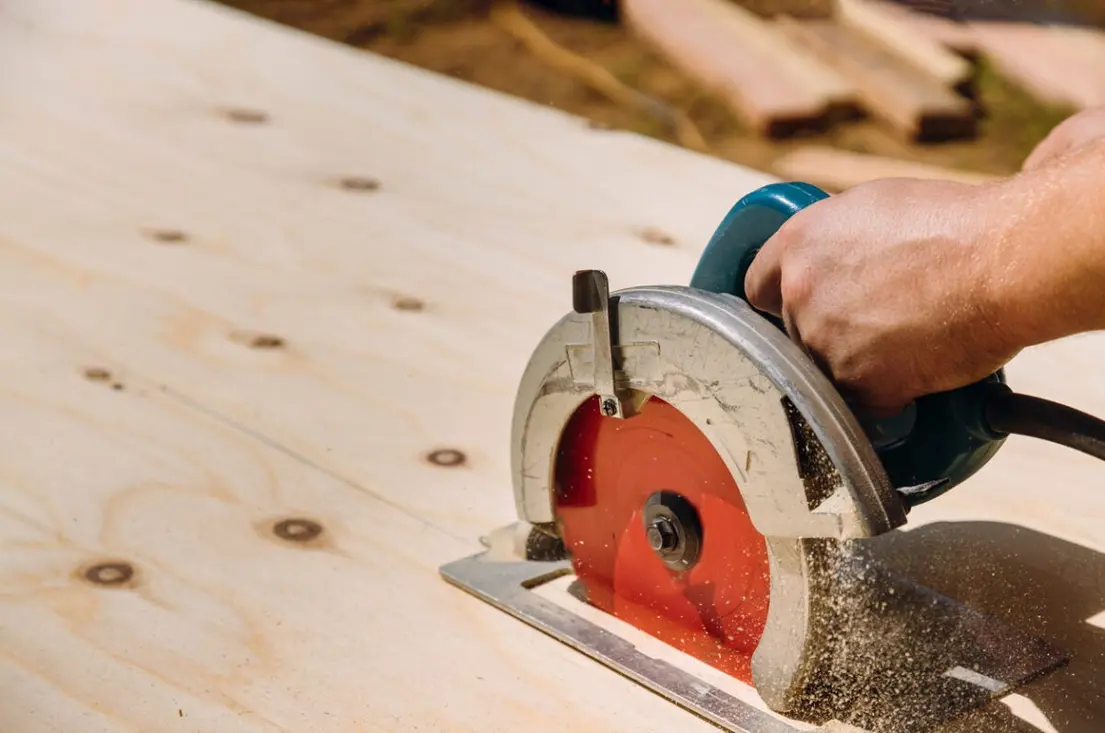 Why a Circular Saw Blade Deflects During a Cut and How to Troubleshoot It
 Why Wood Binds During Saw Cuts and How to Prevent It
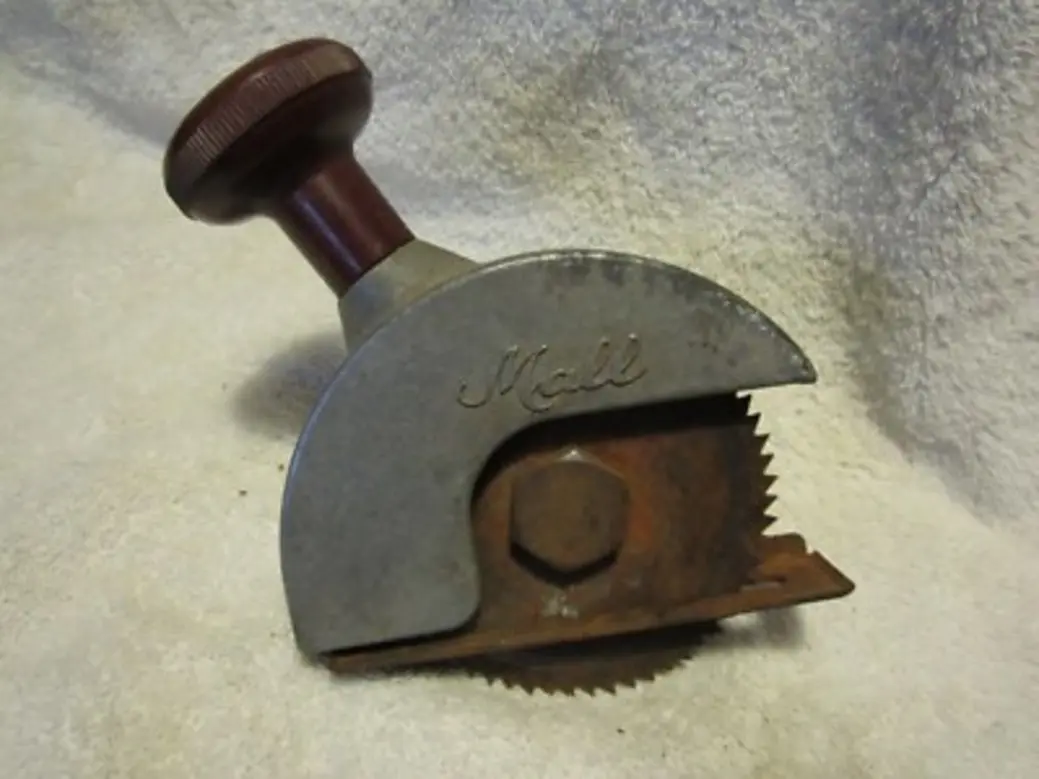 Drill-Powered Circular Saw Attachments: What They Are and Why They Need Extra Caution