No—do not simply turn a handheld circular saw upside down, clamp it under a board, and use it like a table saw. It may run in that position, but that does not make the arrangement safe, controllable, or suitable for cutting wood from above.
A handheld router is different: many routers can be installed upside down in a router table, but only when the router and table are intended to work together and the router manufacturer’s current instructions permit that mounting. An upside-down router held in a vise, clamped to a scrap panel, or operated with a makeshift switch arrangement is not equivalent to a router table.
A tool running upside down is not the same as a safe inverted tool
The key question is not whether the motor will run when inverted. The important questions are whether the tool remains securely mounted, whether its guarding still works, whether you can control the workpiece, and whether you can stop the tool immediately without reaching near the cutter.
A purpose-built stationary machine or accessory addresses those issues with a rigid table, intended mounting points, controlled blade or bit exposure, work support, fence compatibility, and accessible controls. A handheld tool normally depends on the operator holding the body, keeping the base on the work, and using the trigger as the primary control.
Before mounting any portable tool, check its current manual for approved orientations, mounting provisions, accessory compatibility, dust-port use, switch instructions, and maintenance limits. Do not assume that a tool’s ability to operate at an angle means it is approved for permanent inverted use.
Why an inverted circular saw is a poor table-saw substitute
A portable circular saw is designed to travel across a supported workpiece. Its base plate rests on the material while the operator holds the saw with both hands. Safety guidance for handheld circular saws emphasizes clamping the work, using both hands for control, maintaining balance, and allowing the lower guard to move freely. West Fraser’s circular-saw safety guidance also warns against tying or wedging the lower guard open.
When the saw is mounted beneath a tabletop, that operating logic is reversed. Instead of controlling the saw, you are feeding wood into an exposed blade. That creates several serious problems.
The guard may no longer protect you as intended
Portable circular saws are required in workplace construction settings to have guards above and below the base plate, and the lower guard must automatically return to cover the blade when the saw leaves the work. OSHA’s portable circular-saw rule describes that basic guard function.
With an inverted saw under a tabletop, the lower guard can interfere with the opening, fail to function as intended, or tempt the user to defeat it. Never remove, tie back, wedge open, or otherwise alter a circular-saw guard to make an improvised table work.
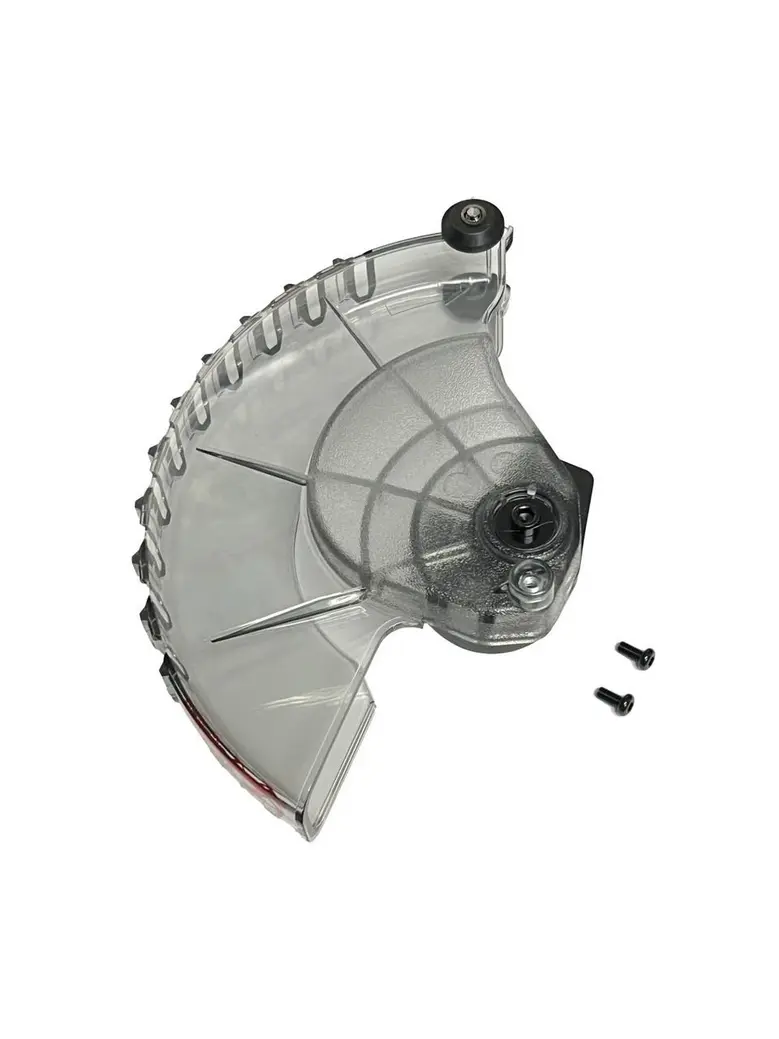
Source: Bigcommerce
There is no proper riving knife, splitter, or top guard
Table-saw ripping can pinch a blade as internal wood stresses close the kerf. That can cause binding and kickback. OSHA’s requirements for hand-fed circular ripsaws call for a spreader to help prevent material from squeezing the saw and being thrown back toward the operator. OSHA 1910.213 also addresses guarding and fence construction for circular saw equipment.
An upside-down circular saw setup commonly lacks the aligned riving knife or splitter, blade guard, anti-kickback features, table geometry, and fence system associated with ripping equipment. A straight board clamped near a blade is not automatically a safe or accurate rip fence.
Trigger and emergency control are weak points
A handheld saw’s trigger is meant to be held by the operator. Securing the trigger in the on position creates a tool that may remain running after a problem develops. Reaching under a tabletop to turn off a saw can put a hand near the blade, especially if the work has shifted, bound, or kicked back.
A safe stationary arrangement needs a reliable, accessible off control. If the tool’s manual does not specifically describe an approved remote-switch or table-mount arrangement, do not improvise one.
Mounting and work support can fail
The saw must resist vibration, cutting forces, and accidental contact without shifting. The tabletop must also support the workpiece flat and keep the blade opening controlled. Thin, warped, long, or narrow stock is especially hard to guide safely without the support, fence, outfeed arrangement, and push devices designed for the operation.
For repeated rip cuts, use a table saw, track saw, or another cutting method designed for the stock and cut. For safer guidance on normal handheld use, see how to cut plywood straight with a circular saw.
Using a router upside down: when a router table makes sense
A router table intentionally holds a router below a flat work surface, with only the needed portion of the bit projecting above the table. That arrangement is useful for edge profiling, routing narrow parts with appropriate aids, and repeatable work against a fence.
However, a router table is a system, not just a router turned over. At minimum, the setup should provide:
- A rigid table and insert plate rated or intended for the router’s mounting pattern and weight.
- Secure fasteners installed through the router’s intended base or approved mounting points.
- A flat, supported work surface and a stable fence where the operation requires one.
- An accessible on/off control that does not require reaching beneath the table near the bit.
- A way to manage the workpiece with fences, featherboards, push blocks, or other appropriate holding aids.
- Bit exposure limited to what the cut requires.
- Dust collection connected as the router-table system and router manual specify.
Do not assume every handheld router is suitable for table mounting. Some models may have specific mounting instructions, base-plate restrictions, switch limitations, or accessory requirements. Confirm the router’s manual and the router-table manufacturer’s instructions before installation.
Router-table direction and work control
Router bits typically rotate so that work fed against the bit’s rotation is more controllable when using a fence or bearing-guided operation. Feeding with the bit’s rotation can cause the work to pull forward rapidly, a condition often called climb cutting. The basic guidance to run wood against the router’s spin is also emphasized in Home Depot’s router-use overview.
That does not mean every routing task should be performed on a table. Large panels, awkward workpieces, and cuts that cannot be supported against a fence may be safer with a handheld router used in its normal orientation and with the work securely clamped.
Dust collection and tool orientation
Turning a tool over changes where chips and dust fall and may make a handheld dust port less effective. A router table may collect dust from below the table, above the fence, or both. A handheld circular saw’s dust outlet is designed around normal use and may discharge debris into a different area when inverted.
Do not modify a guard, blade cover, router base, or housing to attach dust collection. Such changes can reduce guarding, obstruct moving parts, or conflict with the manufacturer’s instructions. Verify the approved dust-collection arrangement in the tool and accessory manuals.
Lubrication, cooling, and maintenance questions
Do not rely on general claims that any router or circular saw is safe in every orientation. Internal lubrication, cooling airflow, switch protection, and dust management vary by model. If the manual does not state that inverted mounting is allowed, ask the manufacturer or use the tool only as directed.
This also applies to blade and bit selection. Use only accessories the manufacturer approves for the tool and operation, and follow the manual for installation and inspection. Disconnect the tool from power before changing a blade, bit, or mounting hardware; circular-saw safety guidance likewise calls for disconnecting power before blade changes. West Fraser’s guidance is clear on this point.
Practical bottom line
Use a circular saw right-side up as a handheld saw, with its guards functional, the work supported and clamped as needed, and both hands controlling the tool. Do not build an improvised inverted circular-saw table.
Use a router upside down only in a stable router table or mounting system that is compatible with the router and supported by the current instructions. Keep the bit exposure small, control the work with suitable fences and push aids, provide an accessible shutoff, and use dust collection only as the equipment instructions allow.
If your project requires repeated ripping, long stock support, or controlled production cuts, the safer answer is purpose-built saw equipment—not a handheld circular saw mounted upside down.
References
- Is using a router or circular saw upside down wrong?. (n.d.). https://www.reddit.com/r/woodworking/comments/uwjnws/is_using_a_router_or_circular_saw_upside_down
- Is it safe to mount power tools upside down as table …. (n.d.). https://www.facebook.com/groups/woodworkingforbeginner/posts/2926873400800599
- Mounting circ saw upside down - Power Tools - Wood Talk Online. (n.d.). https://www.woodtalkonline.com/topic/17482-mounting-circ-saw-upside-down
- Turning my handheld router upside down for an impromptu …. (n.d.). https://www.facebook.com/danmadewoodworking/videos/turning-my-handheld-router-upside-down-for-an-impromptu-router-table-is-my-go-to/892059259449921
- Circular Saw Safety | West Fraser - Integrated Forestry Company. (n.d.). https://osb.westfraser.com/blog/circular-saw-safety-tips
- Woodworking Machinery Requirements | UpCodes. (n.d.). https://up.codes/s/woodworking-machinery-requirements
- 1910.213 - Woodworking machinery requirements. | Occupational Safety and Health Administration. (n.d.). http://www.osha.gov/laws-regs/regulations/standardnumber/1910/1910.213
- 1926.304 - Woodworking tools. | Occupational Safety and Health Administration. (n.d.). http://www.osha.gov/laws-regs/regulations/standardnumber/1926/1926.304
- Circular Saw Operation and Safety Guide | PDF. (n.d.). https://www.scribd.com/presentation/505813296/Module-1-Circular-Saw
- How to Use a Router. (n.d.). https://www.homedepot.com/c/ah/how-to-use-a-router/9ba683603be9fa5395fab90dea9fe0b
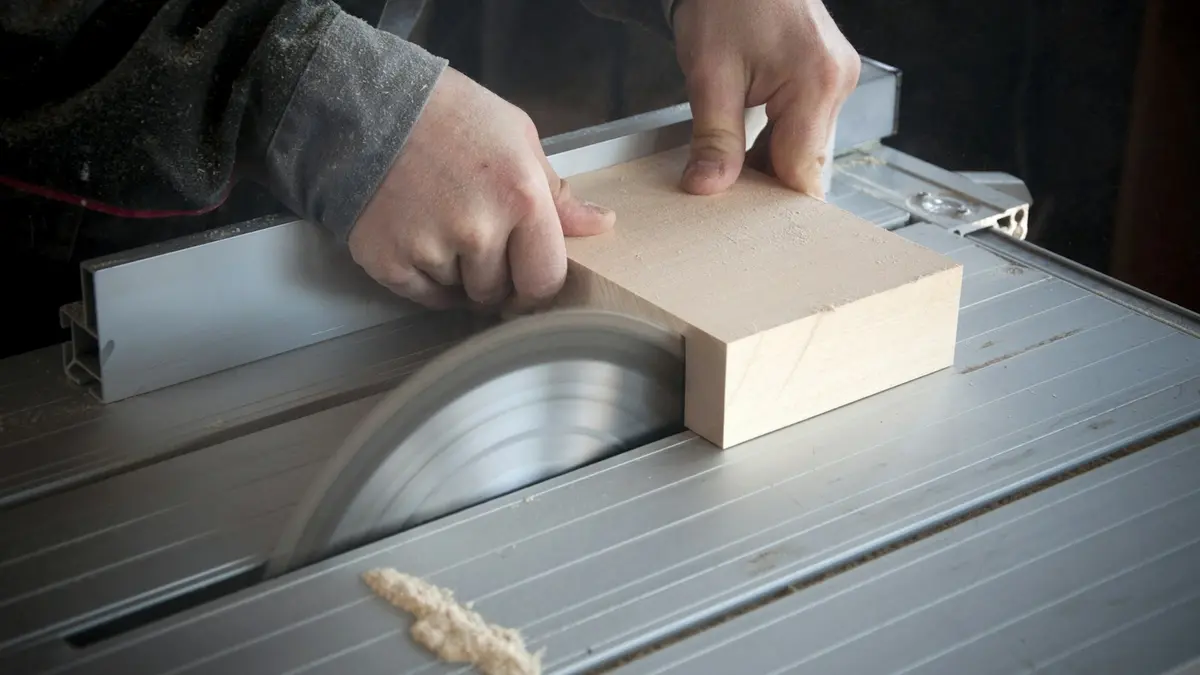 Circular Saw vs. Miter Saw vs. Router: Which Tool Fits the Cut You Need?
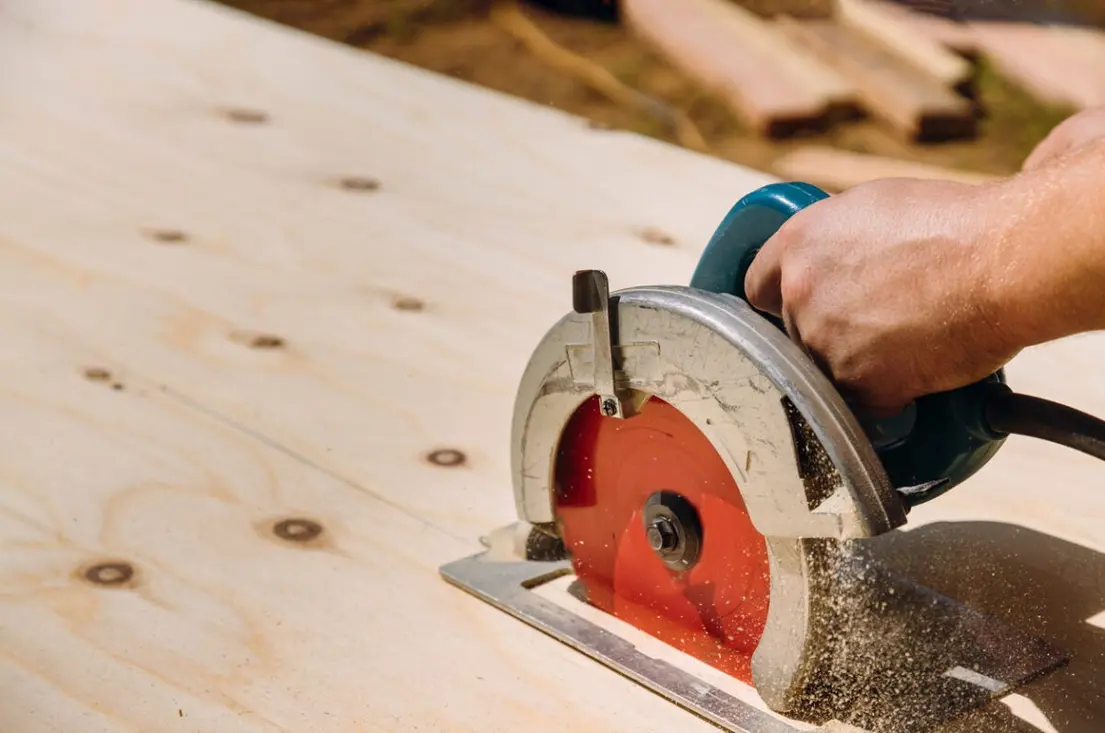 Why a Circular Saw Blade Deflects During a Cut and How to Troubleshoot It
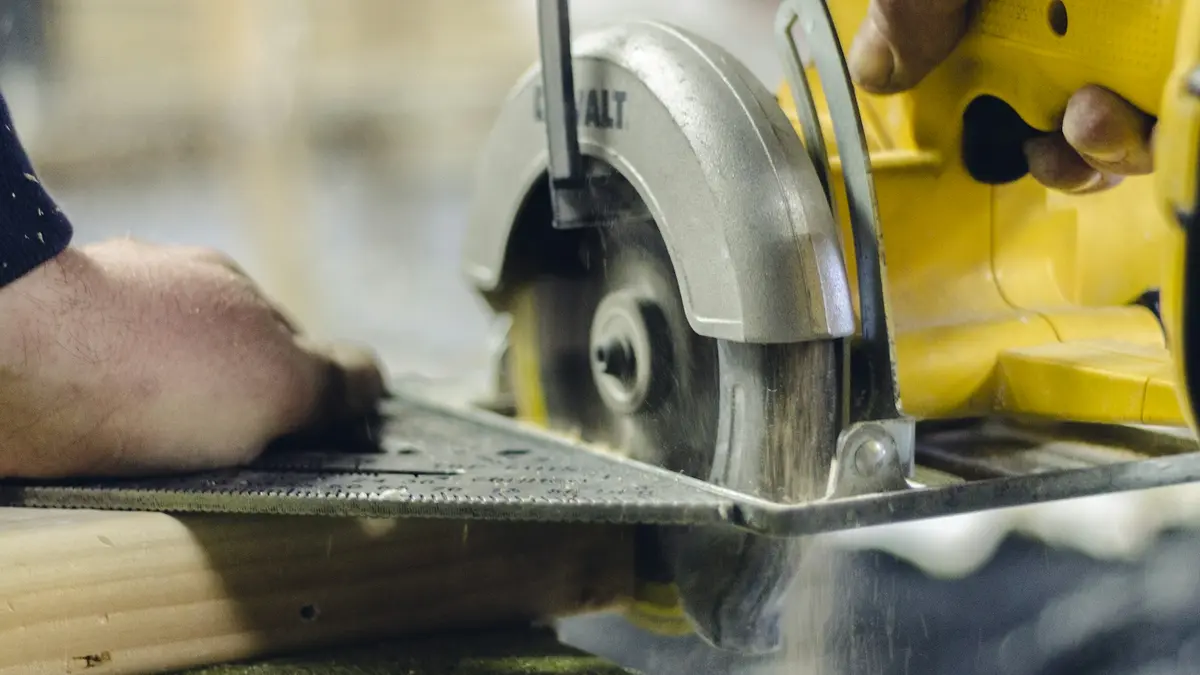 Why a Circular Saw Still Makes Noise With the Blade Removed