An impact driver can drill holes when you use a compatible hex-shank drill bit, preferably one the bit manufacturer identifies as suitable for impact use. This combination is most reasonable for simple holes in wood, many plastics, and similar forgiving materials.
It is not a substitute for a drill/driver in every drilling job. An impact driver is optimized to drive fasteners, and its impact mechanism can make cutting less controlled when the bit binds or meets changing resistance. For accurate holes, small fragile bits, metal, tile, masonry, glass, or larger hole-making accessories, use the tool and bit type specified for that work.
Hex shank fit and impact rating are different things
A hex shank describes the part of the bit that connects to the tool. Most impact drivers use a quick-change hex collet rather than a three-jaw drill chuck, so a compatible 1/4-inch hex-shank bit installs directly. A conventional round-shank twist bit generally cannot go straight into that collet.
That physical fit answers only one question: whether the bit can be held by the tool. It does not establish that the bit is designed for impact loading or that it will cut a particular material well.
An impact-rated drill bit is made and labeled for use in an impact driver. Its shank and transition area are intended to tolerate the torsional pulses an impact driver can produce. A plain hex-shank bit may fit the collet but still be intended for smooth rotary drilling only.
Before using any bit in an impact driver, check the current manuals and the bit packaging for the tool’s approved accessories and the bit maker’s intended applications. Do not assume that every hex-shank twist bit is impact rated.
When an impact driver is a reasonable choice
An impact driver with an impact-rated hex-shank twist bit can be handy when all of these conditions apply:
- The material is ordinary softwood, framing lumber, plywood, or a drillable plastic.
- Hole location and finish do not need the precision expected for cabinetry, hardware fitting, or machine work.
- The bit is in good condition and is labeled for the material and impact-driver use.
- You can keep the bit straight and brace the work securely.
- The hole is modest enough for the bit and tool combination approved by their manufacturers.
For example, making a clearance hole in a framing member or a pilot hole in a wood project can be practical when the correct bit is already in your impact driver. The convenience is real, especially when switching frequently between drilling a pilot hole and driving a screw.
A drill/driver remains the better default for drilling because its chuck accepts a wider range of bit shanks and it generally gives more controlled, continuous rotation. If you are building projects that depend on clean, accurately placed holes, use the drill/driver.
Material-by-material decision guide
Wood and sheet goods: usually acceptable with the right bit
Wood is the most suitable material for impact-driver drilling. Use a sharp, impact-rated hex-shank twist bit or a purpose-made wood-boring bit that the manufacturer permits for impact-driver use.
Start square to the surface. Use light, steady pressure rather than forcing the bit. Pull the bit out periodically on deeper holes so chips can clear; packed chips create heat, increase resistance, and can make the bit grab.
Be more selective with hardwood, veneered panels, melamine, finished work, and furniture parts. Those jobs often benefit from the smoother control of a drill/driver and a bit chosen for a clean entry and exit hole.
Plastic: possible, but keep it controlled
Many plastics can be drilled with a sharp twist bit, but excess heat can melt, distort, or leave a rough hole. An impact driver can make it harder to maintain a gentle cut if the bit starts grabbing.
Use a drill/driver when appearance matters or when the plastic is thin, brittle, or prone to cracking. Support thin sheet material from behind, keep the bit aligned, and stop if the material heats or the hole begins to chip.
Metal: use a drill/driver instead
Avoid treating an impact driver as your regular tool for drilling metal. Metal drilling needs stable alignment, controlled pressure, chip clearing, and a bit suited to the metal. Impact pulses can increase the chance of bit breakage, especially with smaller twist bits or when the bit catches at breakthrough.
For sheet metal and other metal work, use a drill/driver with an appropriate metal-cutting bit and follow the bit and tool manufacturers’ instructions. See /how-to-drill-thin-sheet-metal/ for a material-specific approach, and /why-drill-bits-dull-when-drilling-metal/ for common causes of overheated or damaged bits.
Tile, glass, masonry, and concrete: do not use an impact driver as the default
An impact driver is not the same tool as a hammer drill. Its internal impacts are rotational, while a hammer drill uses a different drilling action. Tile and glass are vulnerable to cracking, and masonry requires a bit and drilling method matched to the base material.
Use the tool and accessory recommended by the relevant material and bit manufacturer. For porcelain tile in particular, see /how-to-drill-porcelain-tile/. Verify the current tool manual before using any specialty bit or accessory.
How to reduce drill bit breakage
Most broken twist bits result from side loading, binding, overheating, or forcing a dull bit. An impact driver can make these problems less forgiving because the tool may deliver impact pulses once resistance rises.
Keep the bit aligned
Start with the bit perpendicular to the work unless the project calls for an angled hole. Letting the driver lean while the bit is partly buried bends the bit and loads the narrow section near the flutes. This is especially risky with small-diameter bits.
Use only enough pressure to keep cutting
Pushing harder does not necessarily drill faster. If the bit stops producing chips or dust, withdraw it, inspect the hole, and let debris clear. Forcing the tool through a bind can snap the bit or damage the workpiece.
Clear chips during deeper holes
Withdraw the spinning bit carefully at intervals as appropriate for the material and tool instructions. Clearing chips lowers resistance and helps prevent heat buildup. Do not reach toward a rotating bit or attempt to remove chips by hand while the tool can operate.
Replace dull, bent, or damaged bits
A dull bit creates more heat and needs more pressure. A bent bit wobbles, enlarges the hole, and is more likely to fail. Replace damaged bits rather than trying to make them finish a job. For more on bit condition, see /how-to-sharpen-twist-drill-bits/ and /hss-vs-cobalt-vs-carbide-drill-bits/.
When to switch to a drill/driver
Reach for a drill/driver when the job calls for precision, smoother control, a non-hex bit, or a specialty accessory. It is the better choice for:
- Small pilot holes where bit breakage would be costly or difficult to remove.
- Clean holes for finish carpentry, cabinet hardware, and furniture.
- Metal drilling and most thin sheet materials.
- Hole saws, larger bits, and accessories not explicitly approved for your impact driver.
- Tile, glass, masonry, and concrete.
- Any situation where the workpiece cannot be held securely or the bit is likely to bind.
If a hole must be accurately sized or positioned, start with the drill/driver rather than using the impact driver simply because it is already in hand.
Safe setup before drilling
Secure the workpiece instead of holding it in your hand. Check for hidden fasteners, wiring, plumbing, or other hazards before drilling into walls, floors, or structural members. Keep the bit fully seated in the collet and remove the battery or disconnect power before changing bits or clearing a jam.
Follow the current manuals for both the impact driver and bit, including their instructions on compatible accessories, workpiece support, and personal protective equipment. Local requirements and site rules may also apply, particularly around concealed services and structural work.
Bottom line
Yes, an impact driver can drill holes with an appropriate hex-shank, impact-rated bit. It is a useful option for straightforward holes in wood and similar forgiving materials, especially when convenience matters more than finish quality.
A hex shank means the bit fits; an impact-rated label means it is intended to withstand the tool’s impacts. Neither label makes an impact driver the best choice for every material. For metal, brittle surfaces, precision drilling, or demanding hole-making, use a drill/driver and a bit made for the job.
References
- Hex vs Round Shank Bits: Which Fit an Impact Driver? – Tool Army. (n.d.). https://toolarmycompany.com/blogs/universal/hex-shank-vs-round-shank-drill-bits-impact-driver
- Drill Driver vs Impact Driver: Which Tool Does What?. (n.d.). https://www.powertoolstoday.com/drill-driver-vs-impact-driver
- Impact Driver vs. Drill: Which Do You Need? - Polar Tool. (n.d.). https://polartool.us/blogs/blog-posts/impact-driver-vs-drill-guide
- Impact Driver Bits vs Drill Bits - TOOLJOY. (n.d.). https://www.powertooljoy.com/it/impact-driver-bits-vs-drill-bits
- When To Use an Impact Driver VS Drill: The ULTIMATE Guide. (n.d.). https://www.youtube.com/watch?v=43cuU0lP6To&vl=en
- Advantages of Hex Shank Drill Bits in Impact Drivers - Drill Bit Warehouse. (n.d.). https://www.drillbitwarehouse.com/advantages-of-hex-shank-drill-bits-in-impact-drivers
- Why should i not used an impact driver for drilling holes? - Reddit. (n.d.). https://www.reddit.com/r/Tools/comments/13uwk80/why_should_i_not_used_an_impact_driver_for
- Drills vs Hammer Drills vs Impact Drivers - The Wood Whisperer. (n.d.). https://thewoodwhisperer.com/articles/drills-vs-hammer-drills-vs-impact-drivers
- Drill vs. Impact Driver — What’s the Difference? - Maker Gray. (n.d.). https://www.makergray.com/concrete/drill-vs-impact-driver
- What do the 1/4 , 3/8, and 1/2 in the impact drivers mean?. (n.d.). https://diy.stackexchange.com/questions/258087/what-do-the-1-4-3-8-and-1-2-in-the-impact-drivers-mean
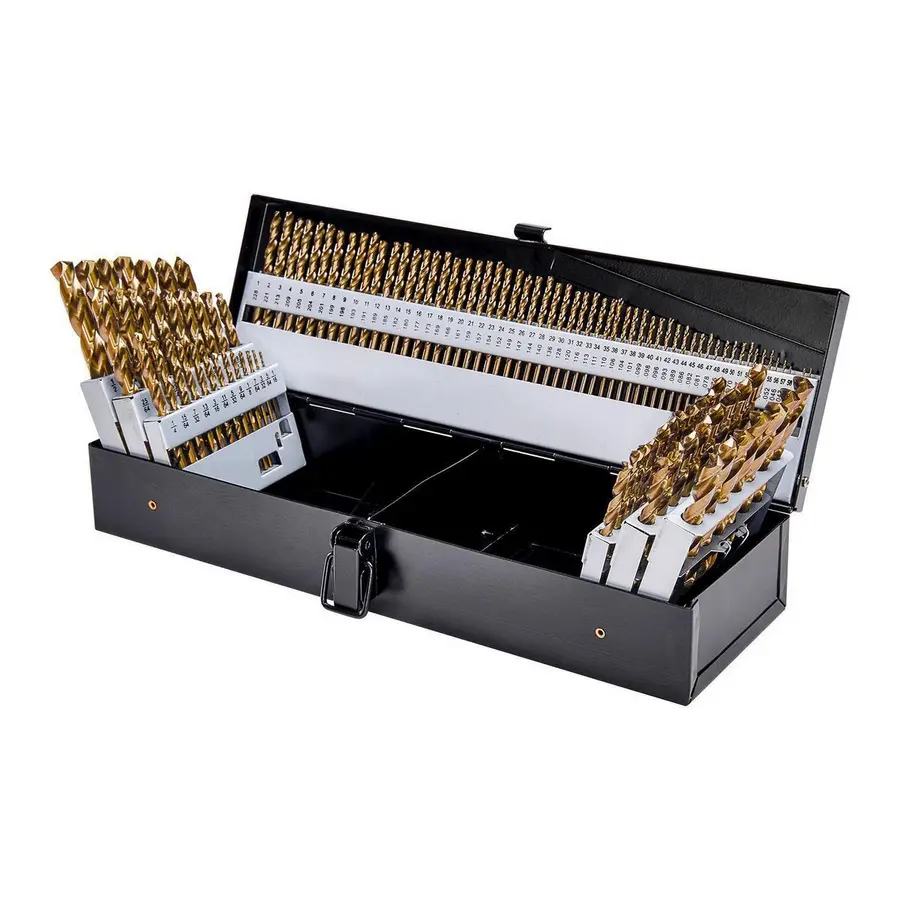 Drill Bit Set Sizes Explained: Fractional, Letter, and Number Drills
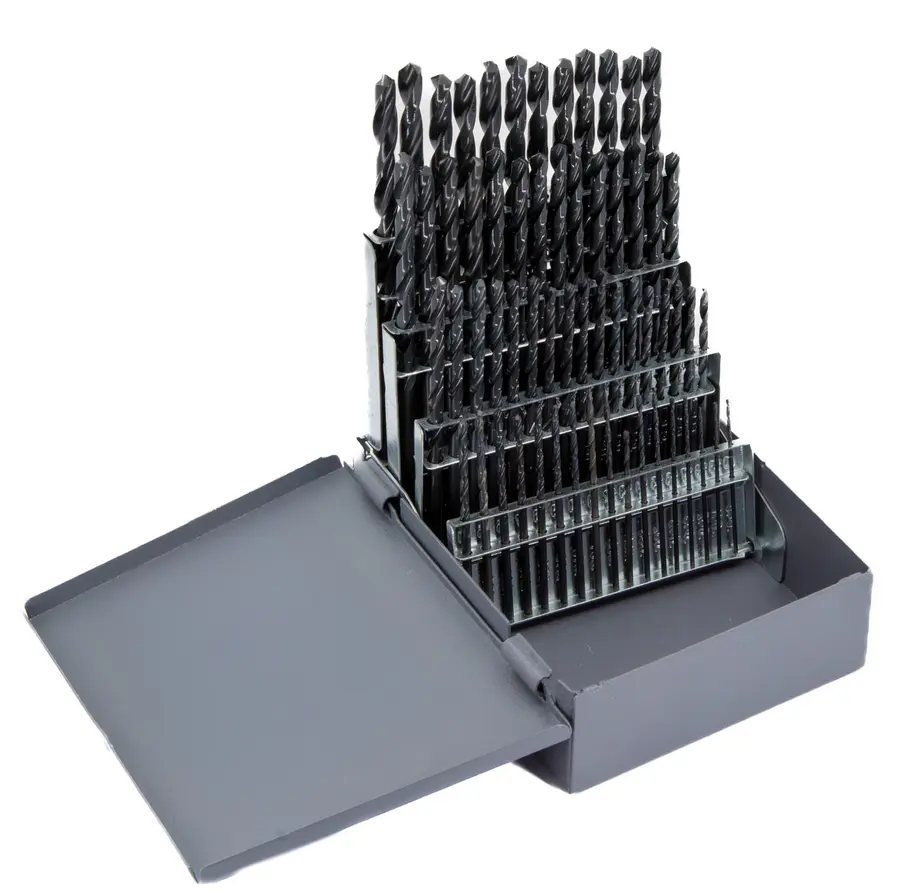 Screw-Machine-Length vs. Jobber Drill Bits: When a Shorter Bit Is Better
 HSS vs. Cobalt vs. Carbide Drill Bits for Metal