A broken wood chisel can sometimes be repaired if the damage is limited to a chip, nick, rounded edge, or a short broken section at the working end. In those cases, you can usually grind back to sound steel, reshape the bevel, and sharpen the tool again. A chisel with a crack, a loose or damaged tang or socket, severe suspected heat damage, or a split handle should not be put back into normal use until it is professionally evaluated, rebuilt where appropriate, or replaced.
The practical question is not whether the chisel looks rough; it is whether the remaining tool is structurally sound and still useful at its reduced length. Start with a close inspection before grinding. Do not strike, pare with, or attempt to “test” a chisel that has a visible crack or a handle that moves on the blade.
Decide What Kind of Damage You Have
Clean off dirt and loose rust so you can see the steel clearly. Inspect the cutting edge, both faces of the blade, the neck where the blade meets the handle connection, and the handle itself. Good light and magnification help with fine cracks.
Usually repairable: minor edge damage
A small chip, ding, or uneven edge is normally a sharpening problem, not a broken-tool problem. This includes:
- A shallow chip confined to the cutting edge
- A rolled or crushed edge after striking a hidden fastener
- A blunt edge or minor corrosion at the bevel
- A corner missing from a bevel-edge chisel, provided the damage does not extend far up the blade
Grind the edge back only far enough to remove all of the damaged area, then establish a straight edge and sharpen normally. Restoring old chisels commonly involves flattening and polishing the back, grinding the edge square, and then sharpening the bevel. Popular Woodworking describes this basic restoration sequence.
A repaired chisel will be shorter, but that is not automatically a problem. A slightly shortened bench chisel can remain useful for paring, fitting joints, and general cleanup work.
Possibly repairable: a broken tip or substantial missing section
If a tip has snapped off but the break ends in solid, crack-free steel, shortening the damaged chisel may be practical. Square the new end, grind a new bevel, and judge whether enough blade length remains for safe control and the jobs you do.
This approach makes the most sense when the break is near the edge and the chisel still has adequate reach. A shortened chisel may become a useful dedicated tool for tight spaces, rough work, or tasks where a full-length blade is unnecessary. Historic chisels are sometimes cut back or extensively rebuilt by skilled blacksmiths, but that kind of work is specialized and is not the same as ordinary sharpening. Examples of blacksmith restoration include cutting back an irreparably fractured chisel and repairing older tools.
Do not try to weld, braze, or glue a fractured blade back together for woodworking use. The blade must withstand levering, impact, and concentrated force at a sharp edge. A joint in the blade can fail unpredictably and may also alter the steel near the cutting edge.
Damage That Means Replace or Seek Professional Evaluation
Retire the chisel from normal woodworking service if you find a crack anywhere in the blade, tang, socket, or striking area. A crack can propagate under hand pressure or mallet blows, even if the chisel seems to work during a brief trial.
Cracks in the blade, socket, or tang
A crack is different from an edge chip. Grinding can remove a chip because the damage is local to the edge. A crack is a structural defect that may extend farther than you can see.
Stop using the chisel if you see:
- A line or opening running from the edge up the blade
- A crack at the transition between blade and tang
- A split socket on a socket-style chisel
- A bent, cracked, or loose tang
- A blade that flexes, shifts, or twists in the handle
A valuable antique or unusual chisel may justify inspection by an experienced tool restorer or blacksmith. For an ordinary working chisel, replacement is generally the safer and more economical choice.
Suspected overheating or softened steel
Aggressive grinding can overheat a thin cutting edge and may affect its hardness. If the damaged area was previously ground heavily, if the edge repeatedly folds or dents during normal use, or if you suspect the tool has been overheated, do not assume that more sharpening will solve the problem.
You can regrind farther back and see whether sound steel remains, but do so conservatively. If the chisel will not hold a stable edge after proper sharpening, replace it or ask a qualified sharpening or tool-restoration professional to assess it. Avoid attempting heat treatment at home unless you have the equipment and knowledge to control the process; an improperly hardened chisel can be brittle, soft, or both unreliable and unsafe.
Split, loose, or damaged handles
A cracked wooden handle can be replaced on many chisels if the blade, tang, or socket is sound. Do not rely on tape, wire, or glue to make a cracked striking handle safe; these can conceal a failure without restoring its strength. Guidance for striking tools likewise calls for replacement of cracked wooden handles rather than taping, wiring, or gluing them. See the handle and striking-tool inspection guidance here.
A loose handle deserves attention before using the chisel. With tang chisels, a new handle may be fitted by someone experienced in handle work. With socket chisels, the handle must seat securely in the socket. If the socket is split, distorted, or no longer retains a handle properly, retire the tool or have it professionally evaluated.
How to Reshape a Chipped Chisel Safely
For a repairable chip, work slowly and remove the least material that restores a continuous cutting edge.
1. Remove the damaged edge
Mark the deepest point of the chip if needed. Grind or abrade back until the entire damaged section is gone. Keep the edge square unless you intentionally need a skewed edge for a specialized task.
Use a controlled sharpening method and avoid lingering in one spot. The aim is to reshape the edge, not rapidly remove large amounts of steel.
2. Restore the bevel and back
After the chip is gone, form a consistent bevel and sharpen the back near the edge as needed. A flat, polished back is especially important because it helps the chisel register accurately on the work and makes honing effective.
For detailed routine care after repair, see our guide to maintaining hand tools.
3. Hone and test on scrap wood
Hone until the chisel cuts cleanly rather than crushing or tearing fibers. Test it by paring soft scrap wood with controlled hand pressure. Do not test a repaired chisel by prying, striking hard knots, or chopping into material that may contain metal.
Before chiseling, inspect the workpiece for nails, screws, staples, and other embedded objects. The Canadian Centre for Occupational Health and Safety specifically advises checking stock for foreign objects and keeping the cutting edge sharp. Read its wood-chisel safety guidance.
When Shortening a Damaged Chisel Is Worthwhile
Shortening a damaged chisel is reasonable when all of these are true:
- The damage is confined to the working end.
- No crack is visible after cleaning and inspection.
- Enough blade length remains for your intended work.
- The handle, tang, or socket is secure and sound.
- The reshaped tool can still be sharpened to a durable edge.
A shortened chisel can be useful, but recognize its limits. Less blade length reduces reach in deep mortises and may leave less room for your hands when paring. A very short chisel can also be harder to control safely. If the new geometry no longer suits its original role, label it or store it separately as a secondary tool rather than treating it as interchangeable with a full-length chisel.
Do Not Repurpose an Unsafe Chisel for Striking Work
A damaged woodworking chisel should not automatically become a punch, pry bar, scraper, or metal chisel. Those uses can impose forces the tool was not designed to handle and can create flying fragments, especially if the blade is cracked or its condition is uncertain.
If you keep a shortened but sound chisel, use it only within a role it can safely perform: light paring, joinery cleanup, or similar woodworking tasks. Keep its edge sharp. A dull chisel needs more force and is more likely to slip.
A Quick Repair-or-Replace Checklist
Repair and sharpen the chisel when the damage is a small edge chip, dullness, light rust, or minor corner loss and the rest of the tool is sound.
Shorten and reshape it when a broken tip can be ground back to solid steel and sufficient usable blade length remains.
Replace the handle when the blade connection is sound but a wooden handle is cracked, split, or loose.
Replace the chisel or seek professional evaluation when there is any blade, tang, or socket crack; a distorted blade; an insecure handle connection; suspected serious heat damage; or repeated failure to hold an edge after proper sharpening.
The safest repair is a conservative one: remove only enough steel to reach sound material, restore a sharp edge, and retire the tool when the structure—not just the edge—is compromised.
References
- How To Repair Woodworking Chisels In A Blacksmith Shop. (n.d.). https://woodandshop.com/blacksmith-chisel-repair-bruce-dembling
- Resurrecting Chisels. (n.d.). https://www.popularwoodworking.com/techniques/resurrecting-chisels
- OSHA 1926.301 Striking Tool Safety | US Made Supply. (n.d.). https://usmadesupply.com/resources/building-codes-standards/safety-compliance/osha-1926-301
- Essential Chisel Safety Tips: Avoid Painful Mistakes. (n.d.). https://www.youtube.com/watch?v=ZhmLeREweTg
- When Should You Replace A Chisel? Know When To Upgrade. (n.d.). https://toolsadvisers.com/when-should-you-replace-a-chisel
- Hand Tools - Wood Chisels. (n.d.). https://www.ccohs.ca/oshanswers/safety_haz/hand_tools/chisels.html
- Wood Chisel - How to Repair and Maintain Your Wood Chisel (Step-by-Step) – EQUIP Video Series. (n.d.). https://www.youtube.com/watch?v=pSEsaaT7ZCc
- Restoring Old Chisels⚒️ | Black Bear Forge. (n.d.). https://www.facebook.com/100044064012592/videos/restoring-old-chisels%EF%B8%8F/4010895722566123
- Health and Safety Guide for Manufacturers of …. (n.d.). https://stacks.cdc.gov/view/cdc/209350
- Safety Week 2011: Safe Chisel Use. (n.d.). https://www.renaissancewoodworker.com/safe-chisel-use
 How to Sharpen a Wood Chisel: Flatten, Hone, and Test the Edge
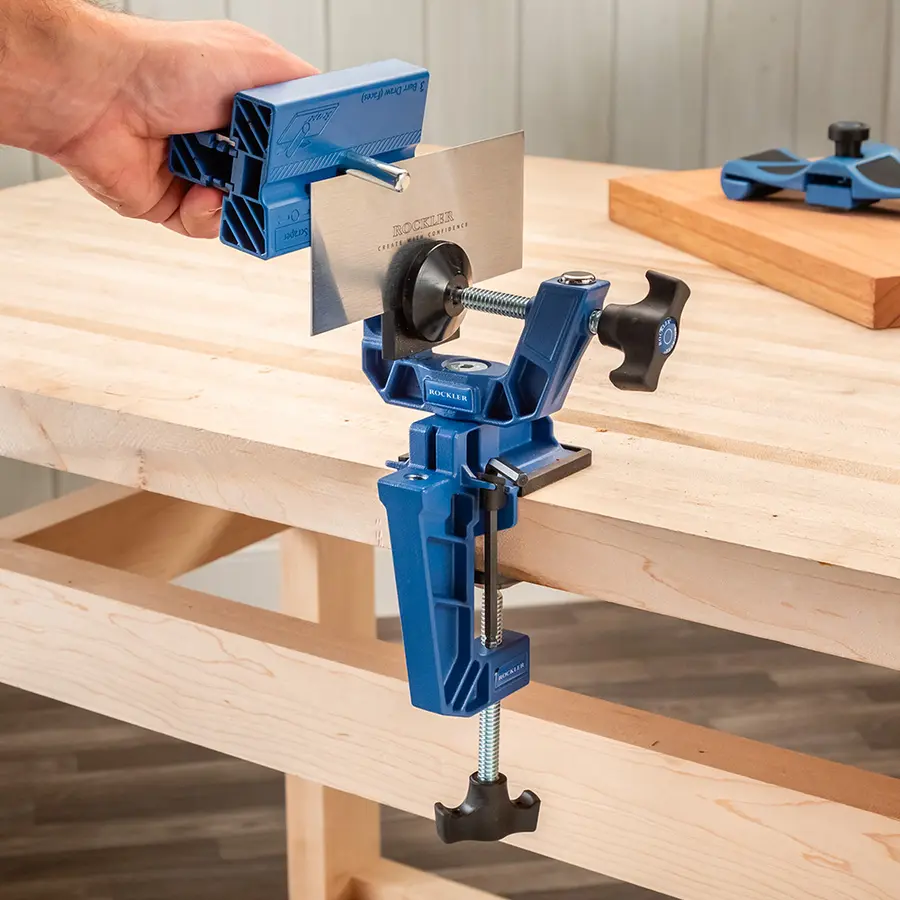 What Tools Do You Need to Start Woodworking? A Project-First Starter Kit
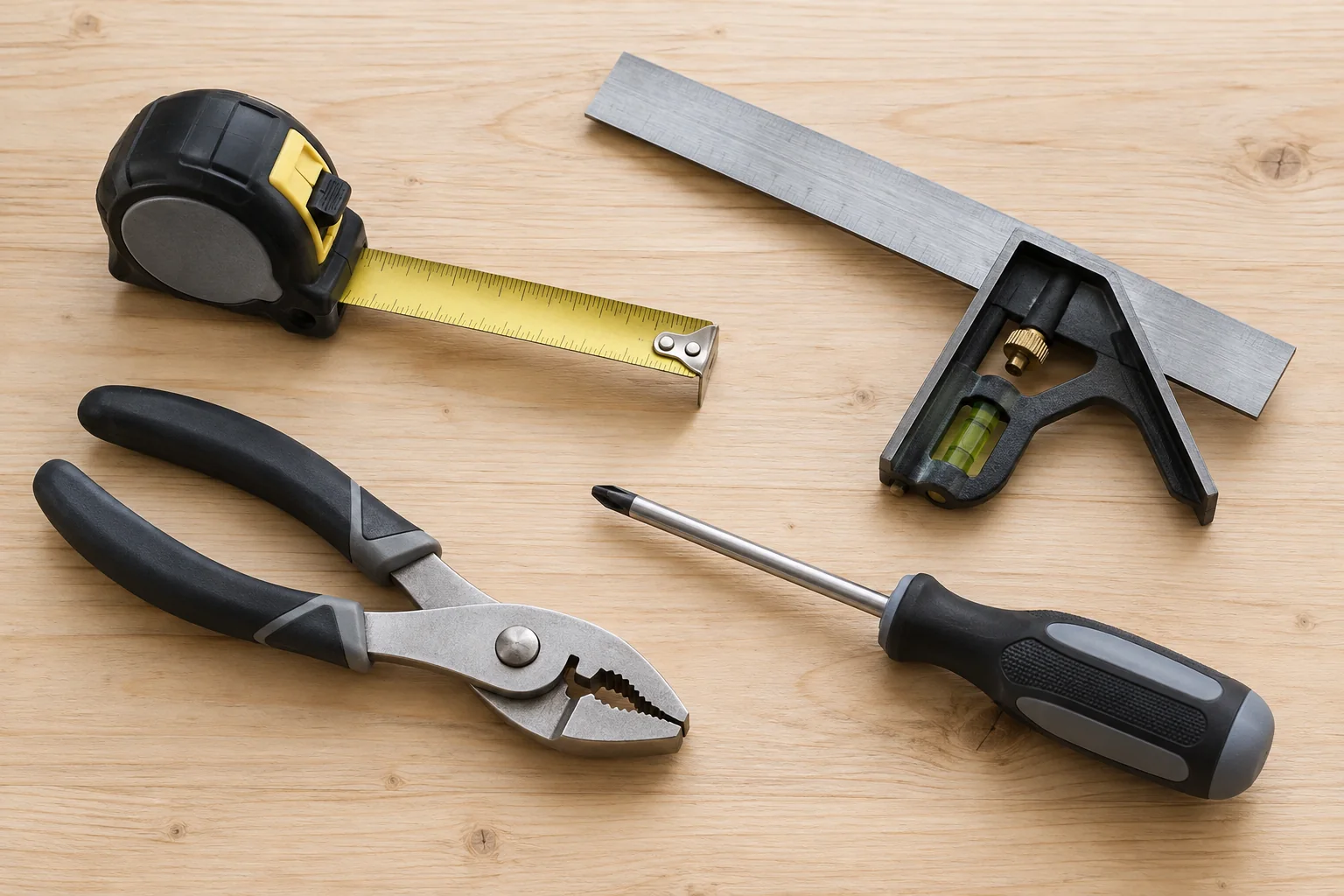 How to Measure and Mark Long Boards When Working Alone