If cut steel pieces will not line up flush, a belt sander or belt grinder with a rigid flat platen will usually help more than a bench grinder. It can remove a small, even amount across the end or edge of a part, letting you sneak up on a fit. A bench grinder is excellent for fast localized grinding, rough shaping, deburring, and wire-brush work, but its wheel is not a precision flat-finishing surface.
For a beginner with an existing bench grinder, the practical answer is usually not to replace it. Keep the bench grinder for quick cleanup and small corrective jobs; add a metal-capable belt machine when making mating steel parts fit, sanding steel weld joints, or producing straighter, more consistent edges becomes routine.
The key difference: a wheel contacts a small area, a belt can support a flat one
A bench grinder removes metal at the curved face or edge of an abrasive wheel. That concentrated contact makes it useful for taking down a burr, rounding a sharp corner, reshaping a small area, or shortening a bolt. It also makes it easy to unintentionally create a hollow, rounded edge, or a series of small low spots when trying to flatten a long cut.
A belt machine can be used in several zones: against a flat platen, over a contact wheel, or at a slack section of belt. For fitting cut steel, the flat platen is the important feature. It supports the abrasive behind the workpiece, so a wide section of an edge can be worked more evenly. A work table, adjustable stop, or miter guide can further help hold a repeatable angle, provided those accessories are intended for that machine.
The terms “belt sander” and “belt grinder” are used loosely. For metalwork, focus less on the name and more on whether the machine is built and equipped for metal abrasive belts, has a usable platen and work support, and is suitable for the size of work you plan to hold.
What each tool does better
Bench grinder: fast, small-area correction
Use a bench grinder when the job is localized rather than broad or flat. Typical uses include:
- Knocking off sharp burrs after cutting or drilling.
- Removing a small protrusion or high spot.
- Roughly shaping a small bracket, tab, or bolt end.
- Cleaning a weld area with an appropriate wheel or brush accessory.
- Refreshing an edge on shop tools when the wheel and technique are appropriate.
A wheel can remove material quickly at one point, which is useful when a piece is visibly proud in one small area. It is less suitable for making the entire end of a rectangular steel tube, flat bar, or angle perfectly coplanar with another piece.
Belt sander or belt grinder: flat edges, blended surfaces, and fit-up
A belt machine is generally the better tool for these metalworking belt sander uses:
- Squaring metal cuts after a saw, cutoff wheel, or shear.
- Bringing two steel parts to the same length a little at a time.
- Refining the end of flat bar, angle, or tubing so mating faces sit more evenly.
- Sanding steel weld joints where a controlled, blended finish is wanted.
- Removing mill scale, light rust, or scratch patterns over a broader area.
- Softening an edge consistently along a longer workpiece.
A belt is also easier to change between coarse material removal and finer finishing. Start coarse only when there is enough excess material to justify it, then move to a finer abrasive to remove the deeper scratches left by the earlier step.
Why a bench grinder does not solve most flush-fit problems
The issue is not that a bench grinder cannot remove metal. It can. The problem is control over the shape being created.
When you press the end of a steel part against a wheel, the wheel naturally works a narrow band. Moving the part side to side can help, but the process still encourages rounding at corners and uneven pressure along the edge. The result may look cleaner while still being out of square or rocking against its mating piece.
A belt platen gives you a larger reference surface. If the workpiece is held squarely and moved evenly, it is easier to preserve a flat end. It is still not a substitute for machining when a project requires tight tolerances, but it is a major improvement for ordinary fabrication fit-up.
A common mistake is trying to correct a badly crooked cut entirely by grinding. If a part is substantially overlength or the cut is far out of square, recut it closer to the line first. Use the belt machine for final fitting, not as the primary way to erase a large cutting error.
A simple workflow for cut steel parts that need to match
1. Mark and cut slightly proud of the final line
Measure from the same reference edge on each part and mark the finished length clearly. Make the cut just outside the line when your cutting method allows it. Leaving a small amount for finishing is more controllable than trying to recover material removed by an inaccurate cut.
If cuts are repeatedly crooked, solve that problem upstream. Check the saw setup, workholding, blade or wheel condition, and marking method. A belt sander can improve a slightly imperfect cut, but it cannot efficiently compensate for inconsistent layout or unstable cutting.
2. Remove the heavy burr
A bench grinder is convenient here, especially for a small burr or dross lip. Use only a wheel, guard arrangement, tool rest, and workpiece size that the current manufacturer manual permits. Keep the goal modest: remove the burr without rounding the edge you need to fit.
For a light burr, the belt machine can perform this step too.
3. Finish the end on the belt platen
Set the steel against the belt machine’s supported work area and make light, controlled passes. Check the part often against its mate, a square, or a flat reference surface. Rotate your attention among all corners of the edge rather than dwelling on one spot.
For two identical-length parts, alternate between them. Remove a little from one, then the other, and compare. This reduces the chance of finishing one part short while chasing the second part to match.
4. Test the actual fit before final assembly
Put the parts together in the orientation they will have in the project. Look for rocking, daylight at the joint, or a corner that contacts first. Mark the high area, remove only a small amount, and test again.
If the parts must be welded, fit and clamp them before committing to a weld. Grinding after welding can improve appearance and remove excess weld metal, but it will not reliably correct a joint that was assembled out of position.
Choosing the right abrasive for the task
Abrasive selection matters as much as the machine. Coarser belts remove material faster but leave deeper scratches and make it easier to overshoot a dimension. Finer belts are better for blending, finish work, and final deburring but are slower at correcting a noticeably long or uneven edge.
For general steel fitting, use an abrasive belt specified by its maker for metal. Keep belts intended for wood separate from belts used on steel; embedded metal particles and loaded abrasive can create poor results on later work. Replace belts that are torn, heavily loaded, glazed, or no longer cutting predictably.
For weld cleanup, avoid treating every weld as material to erase. A weld may serve a structural purpose, and excessive grinding can remove more than cosmetic excess. Follow the project requirements and any applicable welding procedure or inspection criteria.
When the bench grinder is still the better first tool
Do not buy a belt machine solely because a bench grinder is imperfect at flat work if your jobs are limited to occasional burr removal, sharpening, or small spot corrections. The bench grinder is still the more convenient tool when:
- The workpiece is small and the correction is confined to one area.
- You need to quickly remove a sharp edge after cutting.
- You mainly use a wire wheel for surface cleanup, where permitted by the wheel and grinder instructions.
- You need a quick rough shape before doing the final work elsewhere.
For longer edges, repeated fabrication, matching multiple parts, and squaring metal cuts, the belt machine earns its space much sooner.
What to look for in a belt machine for metal fitting
For this specific problem, prioritize control features rather than maximum aggressiveness:
- A rigid, accessible flat platen for finishing ends and edges.
- A stable, adjustable work table or work support.
- Enough clearance to hold the shapes you commonly make, such as flat bar, angle, or tubing.
- Belt sizes and abrasives that are readily available for metal use.
- A design that lets you approach the workpiece squarely without forcing your hands into an awkward position.
A machine with only a loose belt section may be useful for contouring, but it is not the best answer for making a cut edge flat. Likewise, a contact wheel is valuable for shaping curves and radii, but the platen is the feature that addresses flush-fitting straight parts.
Safety points to verify before metal grinding or sanding
Metalworking abrasives can throw hot particles, create sharp edges, and damage workpieces quickly. Read the current manual for the specific machine and abrasive before use, and follow applicable workplace or local safety guidance.
In particular, verify the manufacturer’s instructions for wheel or belt selection, work-rest adjustment, guards, sparks, dust collection, workpiece support, inspection, and any accessories. Do not assume a belt attachment, wire wheel, grinding wheel, or work support is compatible just because it fits physically.
Secure the machine properly, keep the work under control, and avoid grinding a part so small or awkward that it cannot be safely supported as the manual directs. Plan where sparks and hot metal will go, keep combustible materials out of that path, and let a heated workpiece cool before handling or checking its fit. Review the tool maker’s current guidance for suitable eye and face protection, hearing protection, respiratory protection, clothing, and other protective equipment for your machine and material.
Bottom line
A bench grinder is a useful roughing and cleanup tool, but it is not the best machine for making cut steel pieces line up flush. For squaring metal cuts, fitting mating parts, and producing flatter, more even edges, choose a metal-capable belt sander or belt grinder with a flat platen and solid work support.
Use the bench grinder to remove burrs and make quick localized corrections. Use the belt machine to bring the whole edge into shape. That two-tool workflow is usually faster, more consistent, and less frustrating than trying to make a curved grinding wheel perform flat-finishing work.
References
- Bench grinder vs belt… mounted belt sander thing. | The Garage Journal. (n.d.). https://www.garagejournal.com/forum/threads/bench-grinder-vs-belt-mounted-belt-sander-thing.393063
- The Difference Between Belt Sanders vs Belt Grinders. (n.d.). https://burrking.com/the-difference-between-belt-sanders-vs-belt-grinders
- What’s the advantage of a belt grinder/sander over a bench …. (n.d.). https://www.reddit.com/r/knifemaking/comments/7mg3av/whats_the_advantage_of_a_belt_grindersander_over
- Bench grinder vs. Belt/disk sander. (n.d.). https://www.practicalmachinist.com/forum/threads/bench-grinder-vs-belt-disk-sander.241190
- Belt Grinder vs Bench Grinder. What’s the difference?. (n.d.). https://www.youtube.com/watch?v=0kDbZ91NGzM
- Bench grinder or belt sander?. (n.d.). https://www.homemodelenginemachinist.com/threads/bench-grinder-or-belt-sander.36686
- Grinders vs Sanders: Understanding Differences and Applications - Empire Abrasives. (n.d.). https://www.empireabrasives.com/blog/grinders-vs-sanders-differences-and-applications
- Trick Tip Tuesday #54 - Belt Grinder Uses and Techniques in when Grinding Metal - Trick-Tools.com. (n.d.). https://www.youtube.com/watch?v=i1Zm5Gevm-0
- How to Select the Right Belt Grinder or Sander for …. (n.d.). https://www.penntoolco.com/blog/how-to-select-the-right-belt-grinder-or-sander-for-metalworking-or-fabrication
- Belt Grinder vs. Belt Sander: Why VEVOR’s Tool Reigns …. (n.d.). https://www.vevor.com/diy-ideas/belt-grinder-vs-belt-sander
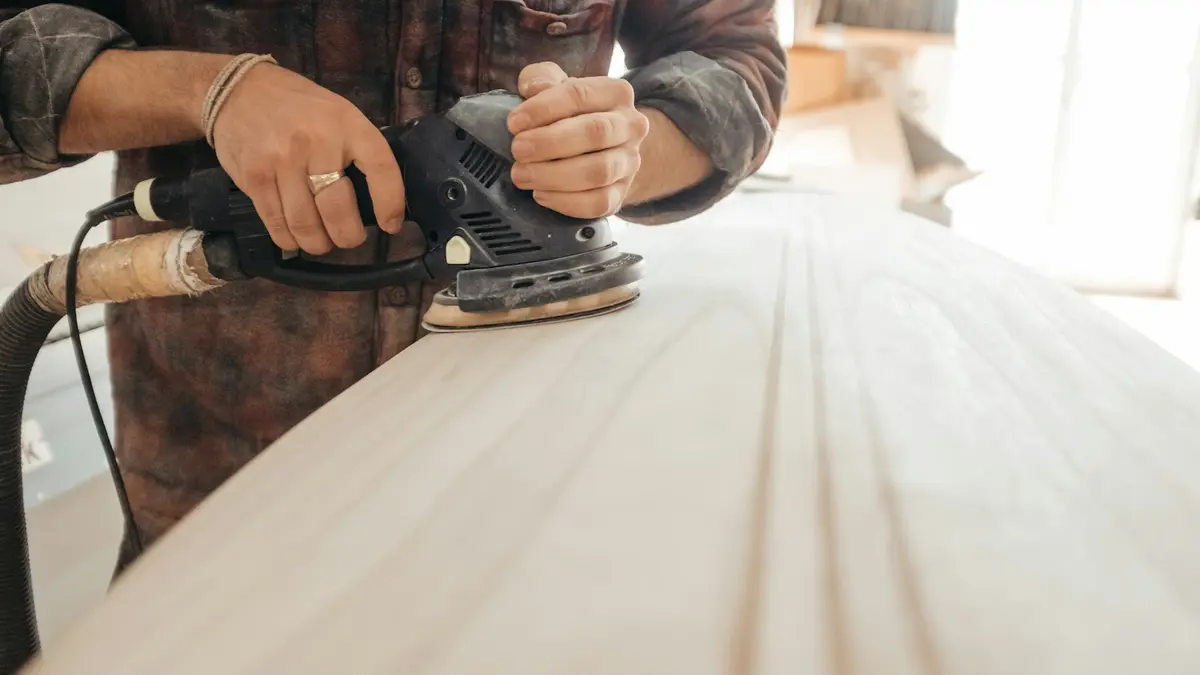 Why a Belt Sander Leaves Stripes on a Deck or Porch
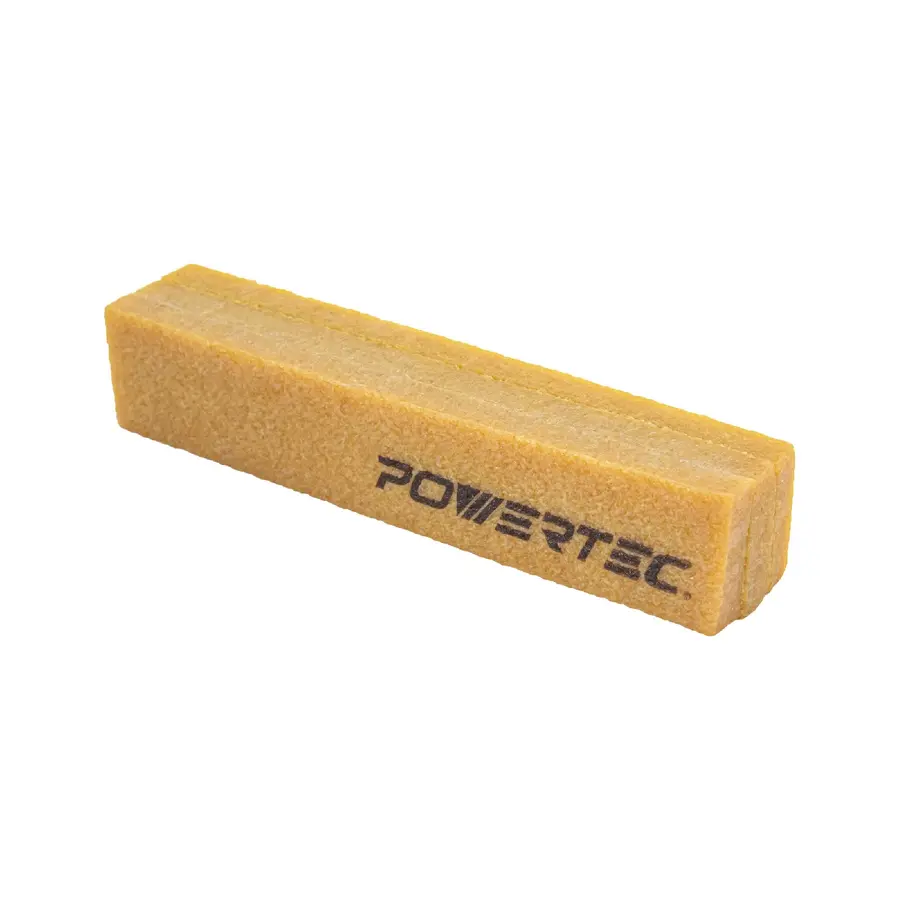 Can You Clean a Belt Sander Belt? When a Cleaning Stick Helps and When to Replace It
 How to Manage Bench Grinder Dust in a Home Shop