You do not need a packed case of unfamiliar tools to handle ordinary household jobs. Start with a small basic home tool kit that lets you tighten hardware, hang lightweight items, assemble furniture, measure spaces, open materials, and make simple adjustments. Add specialized tools only when a real project gives you a clear reason to buy them.
For most renters and new homeowners, the first purchases should be versatile hand tools: a screwdriver and bits, tape measure, hammer, pliers, adjustable wrench, utility knife, small level, hex keys, and a few basic supplies. This group handles a large share of everyday tasks without committing money and storage space to tools that may sit unused.
Build the kit around household tasks
A practical starter tool kit is easier to choose when each item has a job. Instead of asking whether a tool seems generally useful, ask whether it solves a task you expect to encounter.
Fastening and unfastening
A multi-bit screwdriver is usually the most space-efficient starting point. Look for a handle that accepts common driver bits and includes at least Phillips and slotted options. Many household products also use square-drive, star-drive, or hex-drive fasteners, so a small, organized bit assortment can be useful when those appear.
Use the bit that fully fits the screw recess. A loose or incorrect bit can slip, damage the screw head, or mark the surrounding surface. Keep the tool straight in line with the screw and apply steady pressure rather than forcing it.
A folding or L-shaped hex-key set is also worthwhile. Flat-pack furniture, appliance parts, fixtures, and bicycle accessories commonly include hex fasteners. If an item comes with its own key, keep it with the product paperwork or use it to identify the size you need.
Measuring and marking
Buy a tape measure before buying project-specific cutting tools. A compact tape measure is useful for checking furniture fit, curtain placement, shelf dimensions, replacement parts, and picture spacing. Learn the basic marks before relying on it for a cut or mounting layout, and check each measurement twice before cutting or drilling.
Add a pencil or fine-tip marker to the kit. Marking a measurement is usually more dependable than trying to hold a tape measure in place while working.
A small level helps with picture frames, shelves, wall-mounted organizers, and furniture adjustments. It does not tell you whether a wall or floor is perfectly built; it helps you set the item consistently relative to level or plumb.
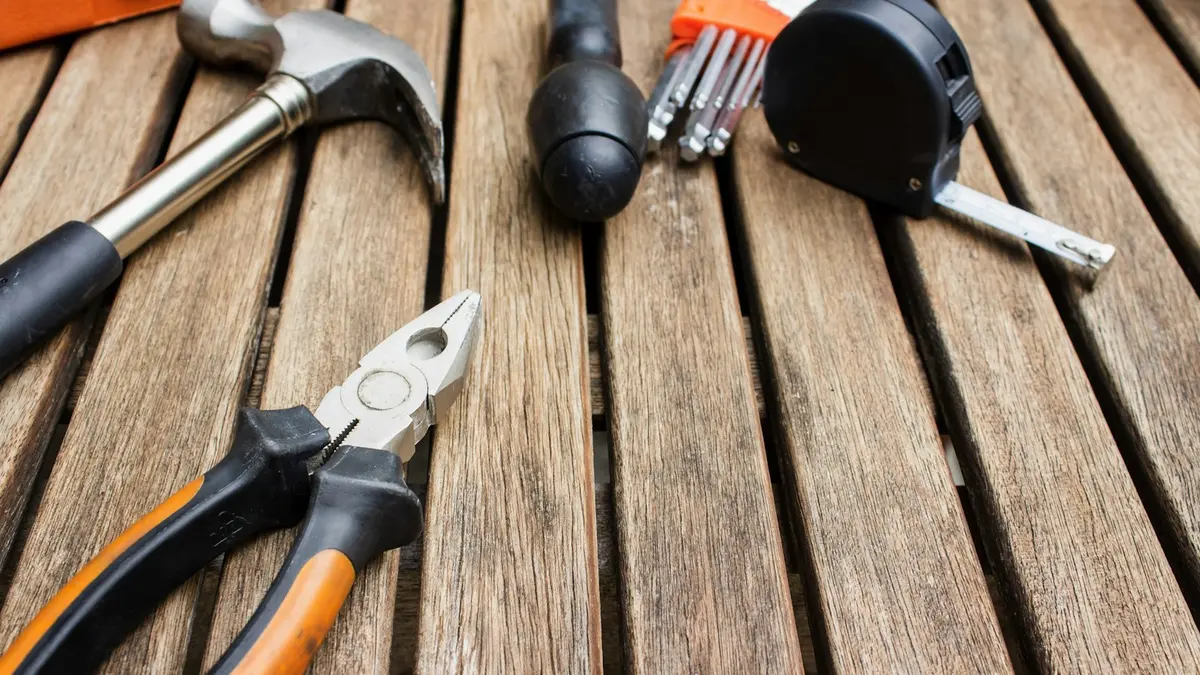
Source: Unsplash
Striking and light prying
A general-purpose claw hammer is enough for light household use, such as driving picture-hanging nails or removing small nails. Choose one that feels controllable in your hand rather than unusually heavy.
Use the claw carefully when pulling nails. Protect finished walls or wood with a thin scrap of wood under the hammer head if necessary. Avoid using a hammer as a substitute for a wrench, chisel, or heavy demolition tool.
Gripping and holding
A pair of needle-nose pliers is useful for reaching small parts, bending light wire, holding a loose nut, and retrieving items from tight spaces. Adjustable tongue-and-groove pliers are useful when you need a broader grip on larger fittings or irregular shapes.
Pliers can damage soft finishes, plated parts, and plastic fittings. Use only as much grip as needed, and consider placing a cloth between the jaws and a finished surface. Match the jaw style to the job instead of forcing one pair of pliers to handle every type of grip.
Turning nuts and fittings
An adjustable wrench is a sensible addition for occasional household adjustments, including some furniture hardware, appliance leveling feet, and exposed plumbing fittings. Adjust the jaw snugly before turning, and pull in the direction that keeps force against the fixed jaw where possible.
Do not treat an adjustable wrench as the answer to every plumbing problem. A stuck, corroded, leaking, or concealed fitting can require a specific tool and a different repair approach. Shut off the relevant water supply before attempting work on a plumbing connection, and follow the fixture manufacturer’s current instructions.
Cutting and opening
A retractable utility knife handles boxes, packaging, caulk scraping, light trimming, and similar tasks. Keep a supply of replacement blades, because a dull blade can require extra force and is harder to control.
Cut away from your body and keep hands clear of the blade path. Retract or cover the blade before storing the knife. For any material beyond light household trimming, verify the appropriate blade and cutting method in the current tool manufacturer’s instructions.
The core basic home tool kit checklist
Buy these first, individually or as part of a kit with little filler:
- Multi-bit screwdriver with common driver bits
- Tape measure
- Small level
- Claw hammer
- Needle-nose pliers
- Adjustable tongue-and-groove pliers
- Adjustable wrench
- Utility knife and replacement blades
- Hex-key set with both common measurement systems when possible
- Pencil or marker
- Small assortment of picture hangers, nails, screws, and wall anchors appropriate to the jobs you actually do
- Compact toolbox, tool bag, or dedicated drawer organizer
A preassembled starter tool kit can be convenient, but inspect the contents before buying. It is a good value only if it contains the core tools you would otherwise purchase. A large piece count often includes duplicates, tiny specialty items, or low-use accessories that do not improve your ability to handle common repairs.
Keep a few supplies separate from the tools
Tools make repairs possible; small consumables finish them. Keep these in labeled containers so they do not become a mixed pile at the bottom of the toolbox.
Fasteners and hanging supplies
A modest picture-hanging assortment, a few common screws, and a selection of anchors can be useful. Do not assume an anchor is suitable for every wall or load. Drywall, masonry, plaster, tile, and wall framing require different approaches, and the item weight matters.
Before drilling into a wall, identify what you are mounting, the wall material, and the required fastener. Check the current anchor manufacturer instructions and applicable local guidance. Take extra care around outlets, switches, plumbing fixtures, and other locations where concealed services may be present.
Basic repair materials
For ordinary touch-ups, consider painter’s tape, sandpaper, lightweight wall patch material, a putty knife, and household adhesive selected for a specific repair. Buy adhesives, sealants, and fillers when a job calls for them rather than storing many partly used products until they expire.
Read the product label and current manufacturer instructions for surface preparation, ventilation, curing, cleanup, and storage. These details vary by product.
Safety and cleanup items
Keep disposable gloves, cleaning rags, and a small flashlight nearby. Eye protection may be appropriate for tasks involving cutting, drilling, striking, loose debris, or damaged materials. Choose and use protective equipment according to the current instructions for the tool and material involved.
What can wait until a project requires it
The following tools are often useful, but they are not automatic first purchases for every home:
- Cordless drill/driver and drill-bit set
- Stud finder
- Socket set
- Hacksaw
- Handsaw
- Pipe wrench
- Pry bar
- Clamps
- Chisels
- Specialty plumbing tools
- Power saws, sanders, and rotary tools
- Ladders and outdoor power equipment
A drill/driver is usually the first power tool many households add, especially for repeated furniture assembly, pilot holes, and mounting work. Buy one when you have recurring jobs that justify it, not simply because it appears on a generic checklist. Before use, verify the current manufacturer manual for the battery system, bit type, material limits, setup, operating method, and required safety precautions. A driver bit and a drill bit are not interchangeable just because both fit a tool’s chuck or holder; confirm compatibility in the tool and accessory documentation.
For wall mounting, a drill does not solve the important planning questions: where the mounting point belongs, what is behind the wall, which fastener suits the wall material, and whether the mounting surface can support the item. If you do add a drill, learn how to clamp or otherwise support loose work before drilling.
Use a buy-when-needed rule
When a job appears, decide whether to buy, borrow, rent, or hire help by asking a few questions:
- Will this tool solve a task I expect to repeat?
- Is the job low-risk and within my ability to inspect and correct if something goes wrong?
- Can a general hand tool do the job safely without damaging the work?
- Does the project require a tool whose setup, material limits, or safety requirements I do not understand?
- Would renting, borrowing, or calling a qualified professional be more sensible for a one-time task?
This approach keeps the kit useful. A tool earns a permanent place when it saves time on recurring maintenance or supports a hobby you genuinely do—not when it merely looks like something a homeowner should own.
Avoid common starter-kit mistakes
Buying by piece count
More pieces do not necessarily mean more capability. Prioritize solid versions of the tools you can identify and use over a large assortment of obscure accessories.
Buying duplicates too early
You may eventually want dedicated Phillips and slotted screwdrivers, multiple plier sizes, or several tape measures. At the beginning, one capable version of each core tool is usually enough. Add duplicates when convenience or repeated use makes them worthwhile.
Using a substitute that damages the job
A butter knife is not a screwdriver, and pliers are not always a wrench. Improvised substitutes can mar hardware, slip unexpectedly, or turn a quick repair into a replacement project. If the task calls for a specialized tool, pause and identify the correct one.
Storing tools where they cannot be found
A basic kit only works if it stays together. Return tools after use, replace consumed blades and batteries as needed, and keep loose fasteners sorted. A compact storage solution is better than a large box filled with unrelated items.
A simple order for building your kit
If you are starting from nothing, buy in this order:
- Screwdriver and bit set, tape measure, hammer, utility knife, pencil, and small level.
- Needle-nose pliers, adjustable pliers, adjustable wrench, and hex keys.
- A small supply of fasteners and repair materials based on your home and expected tasks.
- A drill/driver only when a specific mounting, assembly, or repair need makes it worthwhile.
- Specialty tools only after you can name the project, material, and intended use.
That progression gives you a functional DIY tool kit without assuming every renter or homeowner will take on the same repairs. Start with the tools that solve ordinary problems, maintain them, and let actual projects determine what comes next.
References
- The Best Basic Home Toolkit | Reviews by Wirecutter. (n.d.). https://www.nytimes.com/wirecutter/reviews/best-basic-home-toolkit
- Recommendations for a basic tool kit for a new homeowner?. (n.d.). https://www.facebook.com/groups/tooltruckpirates2/posts/818100921131959
- Basic Household Tool Kit Checklist for New Homeowners - Woodworker Express Blog. (n.d.). https://www.woodworkerexpress.com/blog/2025/09/basic-household-tool-kit
- Homeowner Essentials - Tools Everyone Should Own. (n.d.). https://thediyplaybook.com/best-tools-for-homeowners
- Essential toolkit for first-time homeowners - Liberty+ - Liberty Mutual. (n.d.). https://libertyplus.libertymutual.com/article/essential-toolkit-for-first-time-homeowners
- First time homeowner. What tools do I need? - Reddit. (n.d.). https://www.reddit.com/r/Tools/comments/1ip1mwp/first_time_homeowner_what_tools_do_i_need
- Tool Sets For Homeowners - Amazon.com. (n.d.). https://www.amazon.com/tool-sets-homeowners/s?k=tool+sets+for+homeowners
- 26 essential tools for new homeowners - Movement Mortgage. (n.d.). https://movement.com/2020/10/26-essential-tools-for-new-homeowners
- MUST-HAVE Tools For New Homeowners. (n.d.). https://www.youtube.com/watch?v=XVGzqI8airI
- Tool Recommendations for New Homeowners - This Old House. (n.d.). https://www.thisoldhouse.com/tools/recommendations-for-new-homeowners
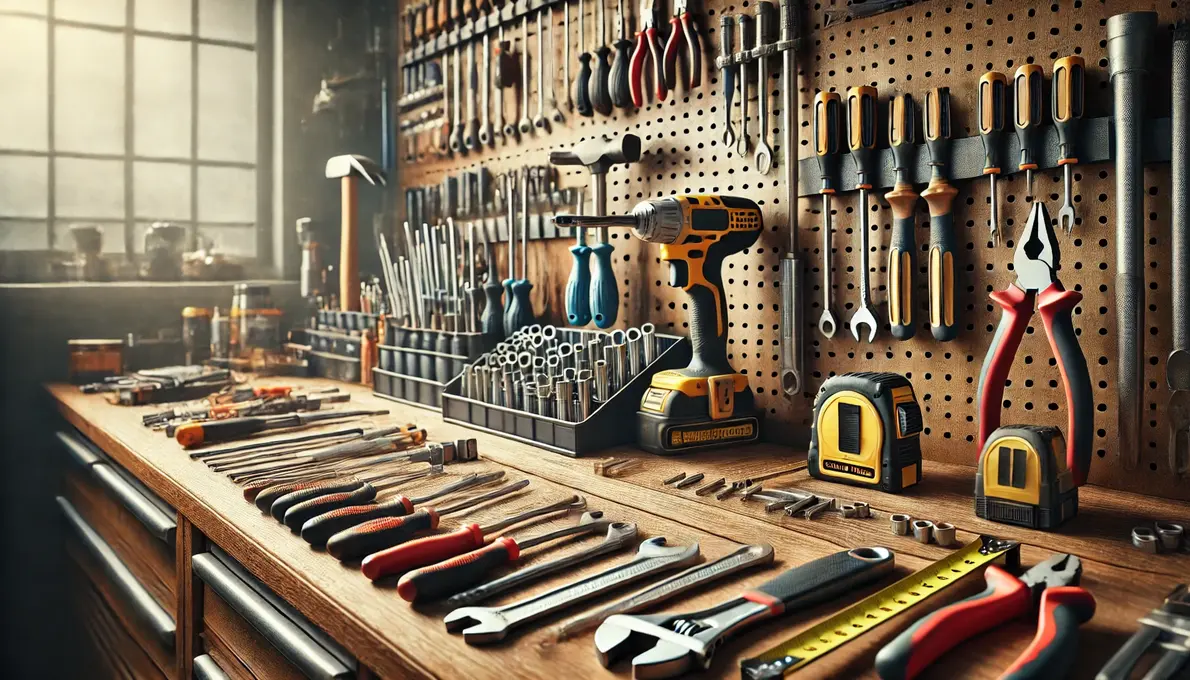 How to Clean, Oil, and Store Hand Tools to Prevent Rust
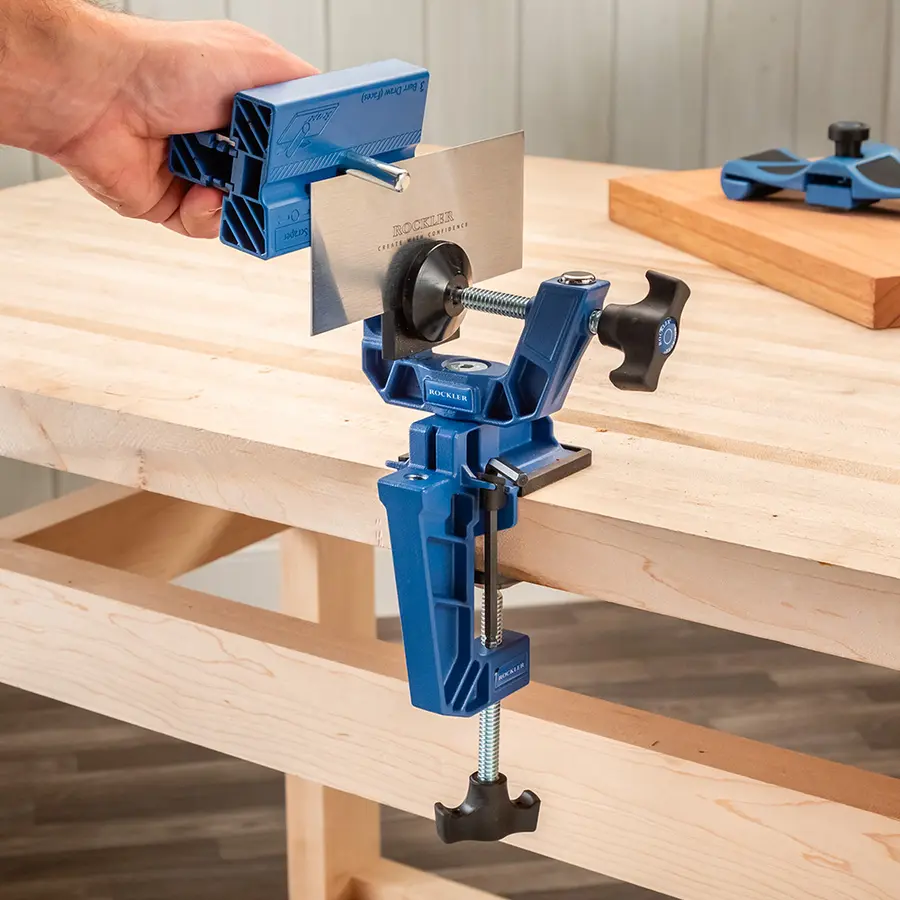 What Tools Do You Need to Start Woodworking? A Project-First Starter Kit
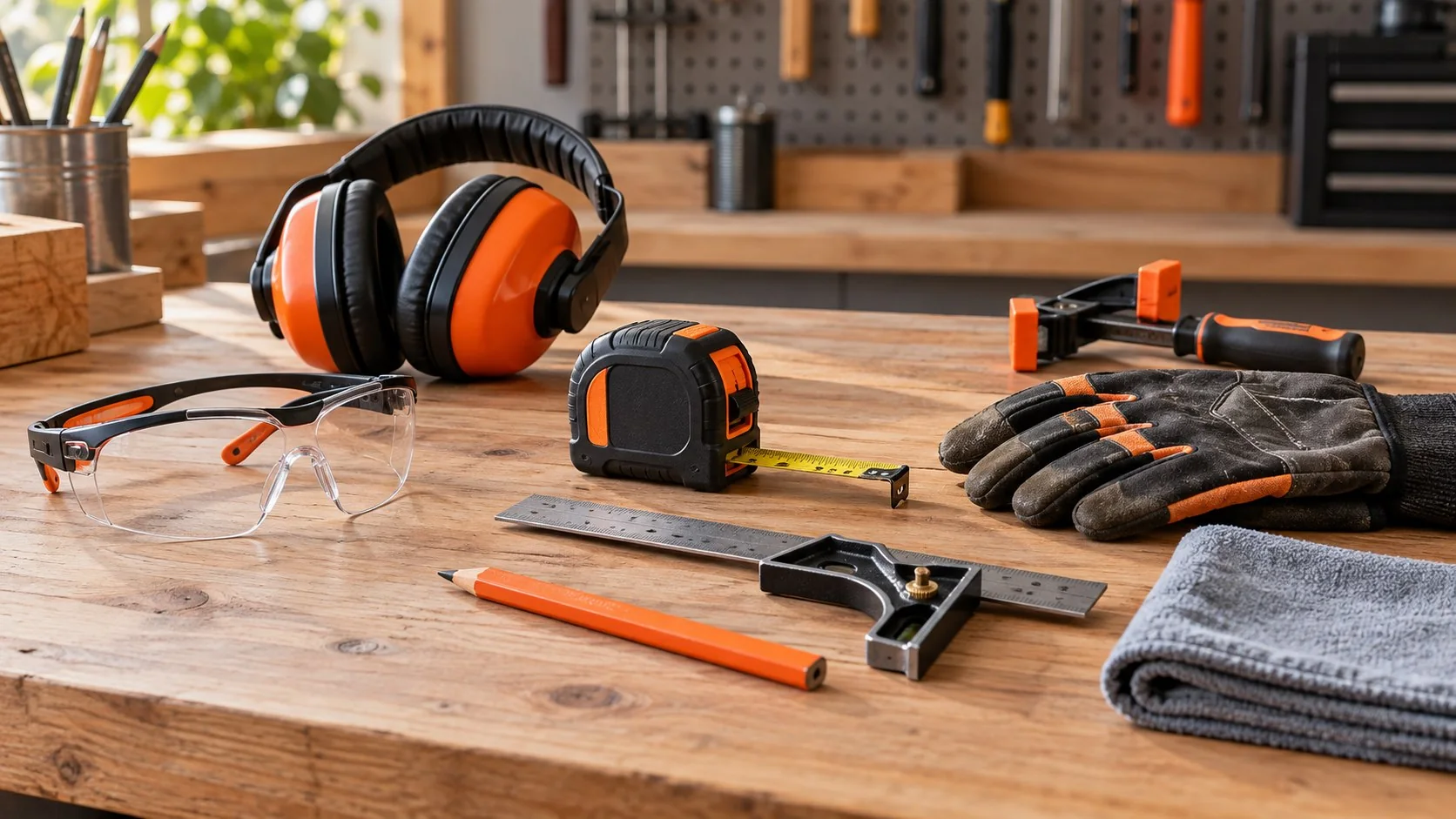 Can You Use a Circular Saw or Router Upside Down?